If you’ve ever spent hours building a floating shelf for your living room, a heavy-duty storage unit in your garage, or a sleek display shelf for your retail space, you know the difference between a shelf that lasts five years and one that collapses in six months often comes down to one small decision: what plywood to use. As a plywood supplier who’s worked with architects, contractors, DIYers, and small business owners for over a decade, I’ve seen every mistake—from someone using cheap particleboard for a 100-pound wine shelf to others overbuilding with premium hardwood when a more affordable, durable option would have worked perfectly. Today, I’m breaking down exactly what makes a plywood good for shelves, the top options I recommend, and how to pick the right one for your specific project. Plywood

First, let’s get one thing straight: not all plywood is created equal for shelves. When we’re talking about shelves, we don’t just need something that’s strong—we need something that’s stable, resistant to warping, easy to work with, and, let’s be real, cost-effective. Plywood’s core structure is a big part of this: it’s made of thin wood veneers glued together at 90-degree angles, which gives it more strength and dimensional stability than solid wood of the same thickness. That cross-grain layering means it won’t expand or contract as much as solid wood when humidity or temperatures change, which is why it’s the go-to for most shelf projects. But there are a few key specs you should prioritize above all else when choosing plywood for shelves.
First, thickness. For most standard shelves—think 12 to 18 inches deep, holding books, decor, or lightweight kitchen items—3/4-inch thickness is the sweet spot. If you go thinner, like 1/2-inch, you risk sagging over time, especially for longer spans (anything over 4 feet wide). For deeper shelves, like 24 inches for storage in a basement or garage, I’d bump up to 1 inch to avoid bowing. That’s non-negotiable in my experience; I’ve had customers try to cut corners with 1/2-inch plywood for a 5-foot garage shelf, and within a year, the middle was drooping so much they had to reinforce it with extra brackets.
Next, plywood grade. This is where a lot of people get confused, and it’s one of the biggest mistakes I see. Plywood grades are labeled based on the quality of the face veneer (the side you see) and the core. For shelves, you don’t need a premium face grade if it’s going to be in a hidden basement storage area, but if it’s a display shelf in your living room, you’ll want something that looks clean. Let’s break down the grades relevant to shelves: A, B, C, and D, but for shelf use, we almost never recommend D-grade—its core is inconsistent, with lots of knots and voids, and it’s not strong enough for regular use. A and B grades have smooth, defect-free faces, which are great for visible shelves, while C-grade is a workhorse with minor knots and small voids, perfect for utility shelves where appearance doesn’t matter as much.
Then there’s the bond type. The glue holding the veneers together is just as important as the wood itself, especially if your shelf is going in a humid space—like a bathroom, basement, or outdoor storage shed. For indoor shelves in temperature-controlled spaces, interior glue (called Type I or Type II? Wait, no—let me get that right: interior plywood uses urea-formaldehyde glue, which is fine for dry spaces but will break down and delaminate if exposed to high humidity. For spaces that get damp, I always recommend exterior glue (phenolic resin, sometimes called marine-grade, but not the full marine-grade that’s for boats). Exterior glue is water-resistant, so your plywood won’t fall apart if a pipe leaks or you store it in a humid garage. That’s a key point I stress to customers: if your shelf is going somewhere with fluctuating moisture, skip interior plywood.
Now, let’s get to the actual plywood types, and which I recommend for different shelf projects. As a supplier, I carry a range of options, and I’ve narrowed it down to four that work for almost every shelf need.
First up, Softwood Plywood, specifically Douglas Fir or Pine. This is the workhorse of the shelf world, and it’s what most contractors use for utility storage shelves, garage shelves, and construction-grade shelving. Softwood plywood is affordable, strong, and readily available, and it has a consistent core that’s usually made of solid wood strips (called a lumber core) instead of composite, which adds to its strength. For standard utility shelves, 3/4-inch Douglas Fir softwood plywood (often called “construction grade”) is my top pick. It’s strong enough to hold 50 to 75 pounds per linear foot when installed with proper brackets, it resists warping better than solid pine, and it’s way cheaper than hardwood plywood. I see a lot of DIYers opt for solid pine for shelves, but pine is solid wood, so it will expand and contract with humidity, leading to slight bowing over time. Softwood plywood’s cross-grain structure eliminates that, so it’s a far more practical choice for most utility projects. That said, if you’re using it for a visible shelf, you’ll need to fill in any small knots or imperfections, and sand and paint or stain it to get a clean look.
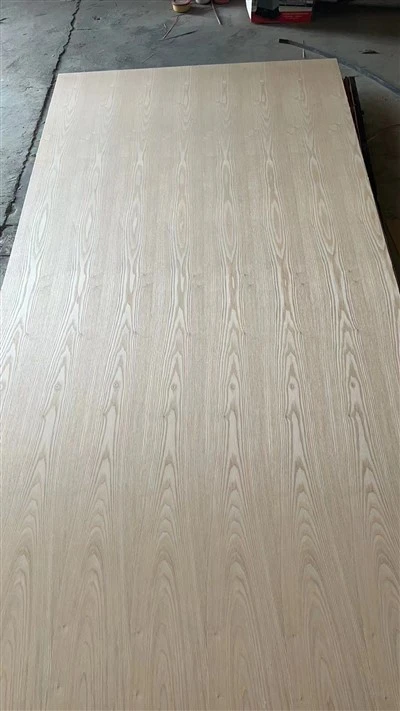
Second, Plywood with an Oak or Maple Face Veneer. This is the middle ground for customers who want a nice-looking shelf without the cost of solid hardwood. I call it “pre-finishable plywood” because the face is a thin layer of real oak or maple, so you can sand it, stain it, and it looks just like solid hardwood once finished. The core is usually softwood, so it’s still strong and stable, and it costs about 30% less than solid oak shelves. This is perfect for display shelves in living rooms, office shelves, or kitchen pantry shelves where appearance matters, but you don’t want to deal with the high price and warping issues of solid wood. I’ve had customers use this for floating shelves in their dining rooms, and once they stained it, no one can tell it’s plywood. The key here is to make sure you get a grade A face veneer, which is smooth and defect-free, no knots or gaps. That small extra cost is worth it for a seamless look.
Third, Baltic Birch Plywood. This is the premium option for anyone who needs heavy-duty, stable shelves, especially for custom projects, display cases, or shelves that hold very heavy items—like a home bar with 100-pound liquor bottles, or a workshop shelf with power tools. Baltic Birch is made of all hardwood veneers, usually from birch trees, with no softwood or composite core, so it’s extremely dense and strong. It’s also very consistent, with almost no voids in the core, which means it doesn’t bow or warp even when spans are over 6 feet. I’ve had customers use 1-inch Baltic Birch shelves for their home theater media storage, holding dozens of heavy Blu-rays, and they’ve held up for years without any sagging. The downside? It’s more expensive than softwood or oak-faced plywood, usually twice the cost. But for high-stakes projects where strength and appearance matter, it’s worth every penny. I also recommend Baltic Birch for floating shelves that are mounted with hidden brackets; the solid core means the brackets will grip the plywood evenly, so the shelf doesn’t tilt or pull away from the wall.
Fourth, Moisture-Resistant Plywood (sometimes called MRP or HDO for high-density overlay). This is the go-to for bathrooms, basements, or outdoor storage shelves where humidity is a constant issue. Regular interior plywood will delaminate if it’s exposed to water or high moisture, but moisture-resistant plywood uses exterior glue and a water-repellent core, so it can handle spills, damp air, or even occasional contact with water. I’ve had customers use this for laundry room shelves, where they store detergents and cleaning supplies, and it stands up to splashes way better than regular softwood plywood. For outdoor shelves, like a garden shed or backyard storage unit, this is your best bet—avoid using exterior marine-grade plywood unless you’re going to leave it exposed to rain directly, because that’s overkill and more expensive. Moisture-resistant plywood is a middle ground that works for most damp indoor projects without the extra cost of full marine-grade.
Now, let’s talk about what to avoid when choosing plywood for shelves. First, particleboard or MDF (medium-density fiberboard). I know a lot of people use these for cheap shelves, but they’re terrible for long-term use, especially if they get damp. Particleboard is made of wood particles glued together, so it falls apart when it gets wet, and it can’t hold heavy weights—if you hang a shelf on particleboard, the bracket will pull right out. MDF is denser, but it’s prone to warping when exposed to moisture, and it also doesn’t hold screws as well as plywood. Second, avoid low-grade softwood plywood with a D or C grade face and a core with lots of voids. I’ve had customers buy the cheapest plywood at the hardware store, only to find big gaps in the core, which makes the shelf weak and impossible to drill screws into without splitting.
Another thing I always advise customers on: think about your installation. If you’re using floating shelves, you want plywood with a solid core, because the brackets are mounted into the plywood, and a voided core will cause the bracket to pull loose over time. If you’re using standard shelving with visible brackets, any plywood will work, but a thicker one will look cleaner and reduce sagging. For example, a 3/4-inch Baltic Birch shelf will look much more substantial than a 1/2-inch softwood shelf, even if both are the same width.
I also want to share a common mistake I see time and again: people buy plywood based solely on thickness, not grade or core. A 3/4-inch Baltic Birch shelf is way stronger than a 3/4-inch softwood D-grade shelf, even though they’re the same thickness. The core quality makes all the difference. That’s why I always ask customers to tell me what they’re storing, where the shelf is going, and if appearance matters, before I recommend a product. It’s not one-size-fits-all.
Let me give a quick example of a real project that worked. A few months ago, a customer came to me wanting shelves for their small retail store to display handmade pottery. They wanted the shelves to look nice, hold heavy mugs and bowls, and span 5 feet between wall studs. I recommended 3/4-inch A-grade oak-faced softwood plywood. It was affordable, looked clean when stained, the softwood core was strong enough for their needs, and it didn’t warp when we installed it. Six months later, they reached out to say the shelves were still perfect, no sagging, no issues. Another customer, a woodworker, came to me needing shelves for his workshop to hold his table saw, router, and other heavy tools. We went with 1-inch Baltic Birch plywood, and he told me it’s held 200 pounds per shelf without any bowing, even after a year of constant use.
At the end of the day, the best plywood for shelves isn’t the most expensive one—it’s the one that fits your project’s specific needs. If you’re building a utility shelf for the garage, go with construction-grade Douglas Fir softwood plywood. If you want a nice-looking display shelf, oak-faced plywood will give you that real wood look without the solid wood price tag. If you need heavy-duty or moisture-resistant, Baltic Birch or moisture-resistant plywood are your go-tos.
I’ve been supplying plywood for over a decade, and I’ve learned that the best advice isn’t just about selling a product—it’s about helping someone pick the right one so their project lasts. If you’re not sure which plywood is right for your shelf project, or you have questions about thickness, grade, or installation, don’t hesitate to reach out to our team for a consultation. We can help you select the perfect plywood for your needs, whether it’s a small DIY project or a large commercial installation.
When you’re ready to move forward with your plywood purchase, feel free to contact our team to discuss your requirements, compare options, and get a quote tailored to your project. We’re here to make sure your shelves are strong, stable, and built to last.
Commercial Natural Veneer Plywood References
- APA – The Engineered Wood Association. (2022). Performance Standard for Wood-Based Structural Panels.
- Forest Products Laboratory, U.S. Department of Agriculture. (2021). Wood Handbook: Wood as an Engineering Material.
- Softwood Plywood Manufacturers Association. (2020). Guidelines for Shelf Construction Using Softwood Plywood.
- Baltic Birch Plywood Council. (2021). Benefits of All-Hardwood Plywood for Structural Applications.
Linyi Zequan Wood Industry Co., Ltd.
As one of the most reliable plywood manufacturers and suppliers in China, we’re featured by high quality customized products. Welcome to buy bulk durable plywood in stock here from our factory. If you have any enquiry about quotation and free sample, please feel free to email us.
Address: 20th Floor, Block A, Central Times Square, Lanshan District, Linyi City, Shandong, China
E-mail: admin@zequanwood.com
WebSite: https://www.zequan-woodindustry.com/
