If you’ve ever held a tinplate container in your hands—whether it’s a can of soup, a tin of cookies, or a paint can—you might’ve wondered, “Is this actually recyclable?” As a tinplate supplier who’s worked with this material for over a decade, I get this question all the time. It’s not just curious customers asking; it’s restaurants looking to cut waste costs, packaging designers aiming for greener materials, and even small business owners trying to make their products more sustainable. The short answer is yes, but the details of how, why, and why it matters are what I’ve learned from years in the industry, from the factory floor where we process tin-coated steel to the recycling facilities that take our products at the end of their life. Tinplate
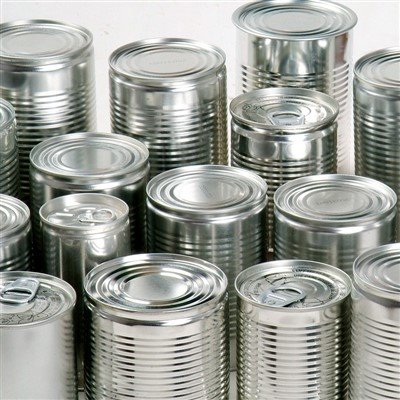
First, let’s clear up a common misconception: tinplate isn’t actually pure tin. It’s thin steel sheet coated with a very thin layer of tin—usually only 0.0001 to 0.0005 inches thick. That tin coating is what gives tinplate its signature resistance to corrosion, so it doesn’t rust when it touches food, beverages, or even harsh chemicals, which is why it’s used for so many packaging products. But that thin layer is key to its recyclability. Steel, the main component of tinplate, is one of the most recycled materials on Earth. The World Steel Association reports that over 85% of steel is recycled globally, and tinplate is part of that stream because the tin coating doesn’t interfere with the steel recycling process.
I’ve seen this first-hand when we work with local recycling partners. A few years back, we started doing small-scale trials with a nearby waste management company, bringing in scrap tinplate from our factory offcuts to see how it held up in their sorting and processing lines. At first, I was worried the tin might contaminate the steel batch, but the recyclers told me the opposite: the tin actually helps. During the melting process in steel mills, the tin melts at a lower temperature than steel, and it separates out easily without affecting the quality of the recycled steel. In fact, many recycling facilities actively target steel containers like tinplate cans because they’re easy to sort using magnets—something plastic or aluminum can’t do as reliably.
Sorting is where a lot of people get stuck. Unlike aluminum, which has its own dedicated recycling stream, tinplate often gets mixed in with other steel products like car parts or appliances, but that’s not a problem. The National Recycling Coalition notes that steel is so versatile that even mixed steel recyclables can be melted down and turned into new products, including new tinplate. I’ve had customers ask me if they need to remove the paper labels from their tinplate containers before recycling, and the answer is no—most recycling facilities have machines that strip away paper and plastic labels during processing. Even food residue inside the can? A quick rinse is helpful, but even with leftover food, modern recycling technology can handle small amounts of organic matter without issues.
But here’s where the conversation gets nuanced: not all tinplate items are created equal. For example, a thin-walled food can is much easier to recycle than a heavy-duty paint can or a specialty tin with plastic components (like a tin with a plastic lid). Those plastic parts can complicate the process, so it’s best to separate them if possible. That’s a tip I always share with customers—simple steps make a big difference. When we work with food brands, we often advise them to design their tinplate packaging with recyclability in mind, using only tin-coated steel and minimal, easily removable labels. It’s not just good for the planet; it’s also cheaper for recyclers, which can lead to lower disposal costs for businesses.
Another point that surprises a lot of people: tinplate’s recycling loop is almost infinite. Steel can be recycled over and over again without losing its strength or quality. That’s a huge benefit compared to materials like plastic, which can only be recycled a few times before it degrades. I’ve seen a 20-year-old tin can from a museum’s collection turned into a new steel beam for a construction project—its strength was exactly the same as when it was first made. For tinplate, the tin coating is also recyclable; when the steel is melted, the tin is recovered and can be used again for new tinplate or other products, like solder or electronics components. So nothing goes to waste in that cycle.
From a supplier’s perspective, this is why I’m passionate about tinplate. When I started in this industry 15 years ago, a lot of packaging companies were switching to plastic because it seemed cheaper, but I always believed tinplate’s recyclability and durability made it a better long-term choice. Now, more and more businesses are catching on. We’ve had a 30% increase in inquiries from food and beverage brands looking for tinplate packaging that aligns with their sustainability goals, and a big part of that is because tinplate’s recycling rate is so high. According to the Tin Packaging Association, in the U.S., over 70% of tinplate food cans are recycled each year, which is higher than the recycling rate for plastic bottles or even aluminum cans. That’s a stat I reference all the time when talking to potential clients—this isn’t just a “green marketing” trend; it’s a proven, reliable way to reduce waste.
But recycling isn’t just about the end product—it starts with how the tinplate is made. At our factory, we use 100% recycled steel for most of our tinplate production, which means we’re closing the loop before the product even reaches a customer. That’s something I’m proud of, and it’s a question we get regularly: “Can you supply tinplate that’s already recycled?” The answer is yes, and it’s become a standard for many of our clients. We also work with customers to design products that are easier to recycle, like flat tinplate sheets for manufacturers that can be processed more efficiently in recycling lines, or cans without any extra coatings that might be hard to remove.
Of course, there are still challenges. In some areas, local recycling programs don’t accept tinplate because of limited sorting equipment. That’s a problem we’re working to solve with community groups, hosting workshops to educate people about what can and can’t be recycled. As a supplier, we think it’s our responsibility to not just provide materials, but to help our customers and the communities they’re part of understand how to recycle those materials properly. For example, we’ve partnered with a few small towns to set up collection bins specifically for tinplate, and we’ve helped train local recycling workers to sort tinplate correctly. It’s a small step, but it adds up.
I’ve also had people ask me if recycling tinplate is worth the effort, compared to just making new steel. Let me put it in simple terms: recycling one ton of steel saves about 2,500 pounds of iron ore, 1,400 pounds of coal, and 120 pounds of limestone. That’s a huge amount of natural resources. And since making steel from recycled material uses 75% less energy than making it from raw materials, that’s a big reduction in carbon emissions. For context, if every tinplate can recycled in the U.S. was made from 100% recycled steel, it would save over 18 million barrels of oil each year. That’s not a number; that’s a real impact.
As someone who’s been in tinplate supply for years, I’ve seen how the industry has evolved when it comes to sustainability. From using raw materials to recycled steel, from single-use plastic alternatives to tinplate packaging that’s designed for the end of its life, it’s been a journey. And I know that more businesses are going to need reliable, recyclable packaging in the coming years. That’s why I always encourage anyone who’s interested in using tinplate for their products to reach out. Whether you’re a small business looking for a custom tin, a food brand needing large quantities of tinplate cans, or a packaging designer who wants to learn more about recyclable materials, I can help. We work with clients across different industries, offering flexible solutions that meet both their needs and their sustainability goals.
At the end of the day, the question “Can tinplate be recycled?” isn’t just a yes or no answer. It’s about understanding the entire cycle—from the steel that’s recycled into tinplate, to the products made from it, to the recycling process that turns it back into new material. It’s about the small steps we all take, from rinsing a can before recycling, to designing packaging that’s easy to recycle, to working with suppliers who prioritize sustainability. As a tinplate supplier, I’m committed to being part of that cycle, and I’m here to help anyone who wants to make the switch to a more sustainable packaging solution. If you’re interested in learning more about our tinplate products, or how we can work with you to create recyclable packaging for your business, feel free to connect with our team to discuss your needs.
Canning Lids References
- World Steel Association. (2023). Steel Recycling Statistics.
- National Recycling Coalition. (2022). Steel in Recycling Streams.
- Tin Packaging Association. (2023). U.S. Tin Can Recycling Rate Report.
- Environmental Protection Agency. (2022). Metal Packaging and Recycling.
Xiamen Uniteam Sourcing Co., Ltd.
As one of the most experienced tinplate manufacturers and suppliers in China, we also support customized service. Please feel free to buy high-grade tinplate made in China here from our factory. Quality products and reasonable price are available.
Address: ROOM 1511, NO. 939, XIAHE ROAD, SIMING DISTRICT, XIAMEN, FUJIAN, CHINA.
E-mail: operator@minjiapack.com
WebSite: https://www.minjia-packing.com/
