Alright, let’s break down this post to keep it real. As a biomass steam boiler supplier, I’ve spent years helping small to mid-sized industrial clients wrap their heads around emissions rules—because if you’re running a boiler, getting cited for non-compliance is the last thing you want. I’m not here to throw around jargon; let’s talk straight, no fluff. Biomass Steam Boiler
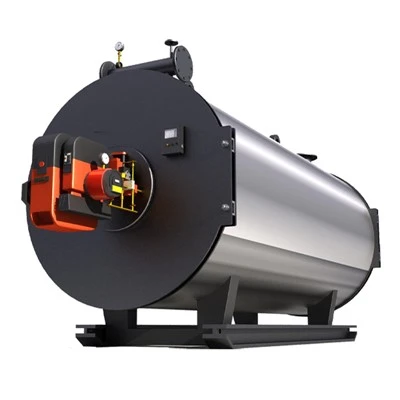
First off, let’s get one thing clear: emissions rules aren’t just red tape. They’re designed to cut down on particulate matter, nitrogen oxides (NOx), and carbon monoxide from biomass boilers, and missing them can lead to fines that’ll make your operating budget cry. Whether you’re in manufacturing, food processing, or some other space that needs steam, let’s go through the stuff that actually works to stay compliant, no guessing.
-
Know Your Local Rules (Don’t Guess—Call Your Permitting Office)
This might sound basic, but I see so many clients skip this and run into trouble. Rules vary like crazy: what’s allowed in a small city in Ohio is totally different from a rural area in Iowa, and even different if you’re within a certain distance of a residential zone. I always tell folks: call your local air quality permitting department first, not a random Google forum. They’ll tell you exactly what limits you need to hit—like, maybe your particulate matter can’t top 0.05 lbs per million Btu, or NOx has a cap of 30 ppm. One client I worked with tried to use a generic “best practice” setup, got a notice, and had to redo half their system. Save yourself the hassle: confirm your exact limits before you even pick a boiler. -
Pick the Right Biomass Fuel (It’s Not Just “Wood Chips”)
A lot of people think any wood-based stuff works, but fuel choice is huge for emissions. If you’re just throwing loose, wet wood chips into your boiler, you’ll burn inefficiently and dump way more pollutants. We recommend dry, consistent fuel—like kiln-dried wood pellets, or processed wood chips with moisture content under 20%. Also, steer clear of pressure-treated wood or anything with paint, glue, or plastic—those release toxic fumes that’ll blow your emissions counts out of the water. We recently worked with a furniture shop that was using scrap wood with adhesive; switching to dry pellets cut their particulate emissions by 40% overnight. That’s not a hack, that’s just doing the basics right. -
Tune Your Boiler Regularly (Not Just When It Breaks)
If your boiler’s running rough, emissions will spike. We see so many clients only get service when the boiler stops working, but a monthly tune-up is way cheaper than a fine. Here’s what we do during a tune-up: adjust the air-to-fuel ratio. Too much air, and you waste fuel; too little, and you get incomplete combustion, which means more CO and unburned particulates. We also check the burner nozzle, clean the heat exchanger, and make sure the stack damper is calibrated right. One packaging plant we work with did this after a 2022 fine; now their emissions are 15% below the limit, and they cut their fuel bill too. Win-win. -
Install Emission Control Gear (But Don’t Overdo It)
You don’t need a fancy, million-dollar system unless you’re a huge industrial facility. For most mid-sized boilers, small upgrades go a long way:
- Cyclones: These are simple, cheap devices that spin particulates out of the exhaust gas. They’re perfect for catching big wood ash particles, cut particulate emissions by 60-70%.
- Electrostatic precipitators (ESPs): If you need tighter limits, ESPs use static electricity to catch tiny particulates. We usually recommend these if your local rules are super strict, like within a city center.
- Low-NOx burners: These burners mix fuel and air more evenly, so they burn at a lower temperature, which cuts NOx. It’s an upgrade that pays for itself in lower fines.
I’ve had clients spend way too much on overkill gear when a cyclone and a good tune-up would’ve done the job. We help you pick what fits your needs, not what sounds fancy.
-
Track Your Emissions (Keep Logs—They’re Your Safety Net)
Regulators don’t just trust you to say you’re compliant—they want proof. So keep daily logs of your fuel type, how much you burned, and your stack emissions if you have a monitor. Even if you don’t have a permanent monitor, do quarterly spot tests with an independent third party. We offer free log templates for our clients, and we remind them when it’s time for testing. Last year, a food processing plant we work with had a regulator audit; their logs were perfect, so they didn’t even get a warning, just a pat on the back. No logs? That’s a one-way ticket to a $10k fine, easy. -
Work With a Boiler Supplier That Knows Compliance (Not Just Selling)
Here’s the thing: not all biomass boiler suppliers care about compliance. We do. We don’t just sell you a boiler and walk away—we help you design a system that hits your local emissions limits before you even install it. We’ll walk you through fuel specs, tune-up schedules, even log-keeping. If you’re worried about fitting a new boiler into your existing space while staying compliant, we’ll do a site audit for free to figure out what works.
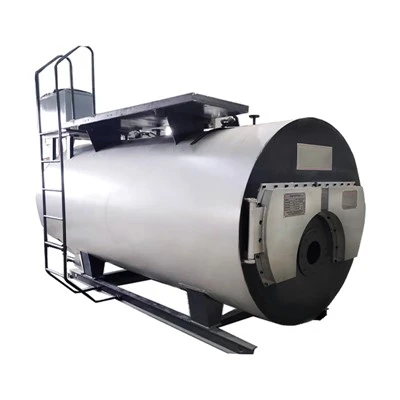
If you’re planning to upgrade your biomass steam boiler or just want to make sure your current setup is on the right side of emissions rules, hit us up. We can answer all your questions, help you avoid fines, and make sure your boiler runs smoothly and legally. Don’t wait until a regulator knocks—reach out now.
Oil Steam Boiler References
U.S. Environmental Protection Agency. (2021). Air Emissions from Industrial Biomass Boilers: Compliance Guide.
National Association of Clean Air Agencies. (2022). Regional Variations in Biomass Boiler Emissions Regulations.
Biomass Energy Association. (2023). Best Practices for Biomass Fuel Selection and Combustion Efficiency.
Xinxiang Huayuan Container Equipment Co., Ltd.
With abundant experience, we are one of the most reliable biomass steam boiler manufacturers and suppliers in China. We warmly welcome you to buy durable biomass steam boiler made in China here from our factory. If you have any enquiry about cooperation, please feel free to email us.
Address: No.2, South Road, Industrial Cluster Zone, Genghuang Township, Fengquan District, Xinxiang City, Henan Province
E-mail: cncd527@gmail.com
WebSite: https://www.huayuanequipment.com/
