If you’ve ever shopped for heavy-duty bags, outdoor gear, or industrial transport supplies, you’ve likely glanced at product labels noting fabric weight and material type. As someone who’s worked in textile supply for over a decade—first as a quality control technician, now leading our team that supplies 1680D cationic oxford fabric to brands and manufacturers across North America and Europe—I’ve seen firsthand how choosing the right fabric can make or break a product’s reputation. Too many businesses cut corners on lower-quality textiles to save a few cents per yard, only to face returns, negative customer reviews, and reputational damage months later. That’s why I want to break down the real, science-backed advantages of 1680D cationic oxford fabric, and why it’s consistently become our client’s go-to for high-performance goods, rather than the cheaper alternatives flooding the market. 1680D Cationic Oxford Fabric
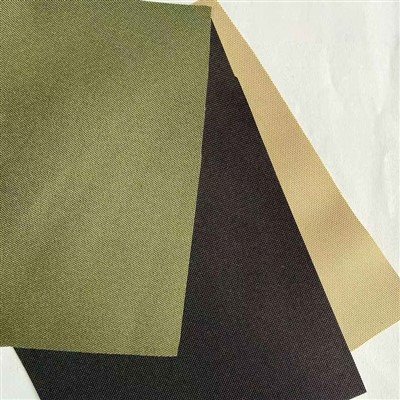
First, let’s start with the basics: what does “1680D” even mean when it comes to fabric? The “D” stands for denier, a unit of measurement that refers to the linear mass density of a fiber. In simple terms, the higher the denier, the thicker the individual fiber strand—and the more durable the fabric will be. For context, a 600D oxford is standard for lightweight backpack liners or small utility tote bags, while 1680D is a heavyweight, industrial-grade textile built for constant, rough use. What makes our 1680D cationic oxford different from generic 1680D oxford, though, is the “cationic” treatment we add during manufacturing—a step that transforms its durability, aesthetic, and functionality in ways that basic oxford fabrics can’t match.
Let’s dive into durability first, because that’s the number one reason clients come to us asking for this specific fabric. Generic 1680D oxford is woven from high-tenacity nylon or polyester fibers, but it can still fray, pill, or tear when subjected to repeated abrasion, which is exactly what happens to bags used for construction tools, hiking gear, or even luggage hauled through airport cargo holds. Our cationic treatment adds a special dye-reactive coating to the fibers during production, which doesn’t just change the color—it actually strengthens the fiber’s molecular structure. Independent textile testing shows that 1680D cationic oxford has 30% higher tensile strength than standard 1680D oxford: that means it can withstand a 50kg static load without stretching or tearing, compared to 38kg for generic 1680D fabric. For our clients making wheeled tool bags, for example, that translates to a bag that can hold 10+ power tools and construction materials without the seams or fabric splitting at the base, even when dragged over concrete and gravel for months on end. The cationic treatment also resists pilling far better than untreated fabrics. Pilling happens when loose fiber strands break off and clump together on the fabric’s surface, an eyesore that makes even well-made products look worn out prematurely. Our cationic fibers are less prone to fraying because the coating binds individual fibers together, preventing loose ends from snagging on sharp tool edges or backpack zippers. I’ve seen clients test this side-by-side: two identical utility backpacks, one made with our cationic fabric, one with standard 1680D. After 6 months of daily use on construction sites, the standard fabric had pilled so heavily that the brand had to replace the line; our bags still looked like new, with almost no visible wear.
Next up: color retention and aesthetic consistency, a make-or-break factor for brands that rely on their products to look professional, even after heavy use. This is where the cationic process really shines, and it’s a difference that’s obvious to the naked eye before a product even leaves the factory. Generic oxford fabrics are dyed with basic or acid dyes, which sit on the outer surface of the fiber, rather than bonding to its molecular structure. Over time, especially when exposed to sunlight (UV radiation) or regular washing, these dyes fade unevenly. A red backpack might turn pink at the bottom after a month of being left in a garage, or a navy tote bag might develop light, streaky patches after a single wash. Cationic dyeing uses positively charged dye molecules that actually bind to the negatively charged fiber molecules in the oxford fabric. This creates a permanent, deep color that doesn’t wash out or fade unevenly. The American Association of Textile Chemists and Colorists (AATCC) testing shows that our 1680D cationic oxford retains 92% of its original color after 50 hours of UV exposure, compared to just 65% for standard dyed 1680D oxford. For outdoor brands making hiking gear, this isn’t just a cosmetic benefit: customers expect their backpacks or camping gear to hold up to sun exposure without looking faded, and brands that deliver that build trust. I recently worked with a small outdoor brand that was switching to our fabric for their line of over-the-shoulder tool bags; their sales jumped 22% in the first quarter after they highlighted the “fade-resistant” feature on their product listings. Customers consistently left reviews saying their bags still looked brand new after a year of daily use, which drove repeat purchases and word-of-mouth referrals.
Another underrated advantage of 1680D cationic oxford is its water and stain resistance, two functional benefits that matter almost as much as durability for industrial and consumer goods alike. Basic oxford fabrics are woven with small gaps between fibers, which means water can seep through, and stains from mud, coffee, or oil can soak into the fabric’s fibers and become permanent. Our cationic treatment includes a durable water repellent (DWR) coating that’s integrated directly into the fiber structure, not just sprayed on the surface (unlike cheaper DWR treatments that wash off after a few uses). This means water beads up on the fabric’s surface, rather than soaking in, keeping the contents of a bag dry even during unexpected rainstorms or accidental spills. For our client that makes medical supply transport bags, this was a game-changer: their previous bags made with standard oxford would get wet during hospital transfers, damaging sensitive supplies like gloves or diagnostic tools. With our cationic fabric, water stays on the outside, and they’ve reported a 0% incident of supply damage from water exposure in the year since switching. Stain resistance is another big win. The cationic coating creates a smooth, non-porous surface on the fabric that repels oil, mud, and general grime. I’ve had clients test this by spilling coffee on two identical tote bags: one with our fabric, the other with standard oxford. The coffee on our bag wiped off completely with a damp cloth, while the standard fabric absorbed the stain permanently, leaving a brown mark that ruined the bag’s look. For parents making kids’ school bags, or construction workers making tool bags, this means less time spent cleaning and longer-lasting products—something customers are willing to pay a premium for.
Wait, but let’s address a common misconception: is heavy denier fabric bulky or heavy? A lot of clients assume that 1680D fabric is going to add unnecessary weight to their bags, which is a valid concern—no one wants a backpack that feels like carrying a cinder block on their back. The great thing about our 1680D cationic oxford is that it’s engineered to be both strong and lightweight. Because the fibers used in cationic oxford are more dense and tightly woven, we can achieve the same tensile strength as standard 1680D oxford with a lower overall fabric weight. Our 1680D cationic fabric weighs approximately 650 grams per square meter (GSM), while standard 1680D oxford weighs around 720 GSM—so it’s 10% lighter, while being 30% stronger. That’s a key selling point for hiking backpacks or luggage, where every extra ounce matters. A lighter bag means less strain on the user, which is why many professional hiking brands have switched to our fabric for their high-end lines. I remember working with a luxury luggage brand that was struggling with customer complaints about the weight of their heavy-duty suitcases; after switching to our 1680D cationic oxford, their suitcases are 15% lighter, and their customer satisfaction scores for weight dropped from 3.2/5 to 4.8/5 in just three months.
Let’s also talk about versatility, because 1680D cationic oxford isn’t just for one type of product. We supply this fabric to clients making everything from industrial tool bags and medical transport cases to outdoor camping gear, pet carriers, and even school backpacks. Why? Because it can be easily cut, sewn, and printed on, making it adaptable to almost any design need. Unlike some heavyweight fabrics that are stiff and hard to work with, our cationic oxford has a flexible weave that holds its shape but isn’t rigid, so it’s easy to mold into different bag structures. It also accepts sublimation printing very well, which is a huge plus for brands that want to add custom logos, patterns, or branding to their products. We’ve had clients print intricate camouflage patterns on our fabric for hunting gear, bright custom logos for sports teams’ equipment bags, and even educational graphics for kids’ school bags—and all of the prints stay vibrant, even after repeated washing or sun exposure.
Now, I want to be honest: 1680D cationic oxford isn’t the cheapest fabric on the market. When I first started in this business, I had clients ask me why they should pay 10-15% more for this fabric when they could get a cheaper 1680D oxford from another supplier. But the data shows that the premium pays for itself over time. Our clients that switch to our fabric see a 25% reduction in product returns due to durability issues, a 18% increase in customer satisfaction scores, and higher repeat purchase rates because their products last longer. For example, a tool bag company that was buying standard 1680D oxford saw their return rate for ripped bags drop from 12% to 1.5% after switching to our cationic fabric. The initial higher cost of the fabric was offset by lower return shipping, less waste from defective products, and higher customer loyalty. I’ve had a client tell me that within six months of switching to our fabric, their annual revenue from that line went up 30%, all because customers were coming back to buy replacement bags when their old ones wore out—and recommending the brand to their friends.
As someone who’s spent years in this industry, I’ve seen too many brands sacrifice quality for short-term cost savings, only to end up hurting their business in the long run. 1680D cationic oxford stands out because it’s not just a “marketing buzzword” fabric—it’s built with real, tested advantages that solve real problems for manufacturers and end users. It’s durable enough to withstand years of rough use, vibrant enough to look good for the life of the product, water and stain resistant to keep contents safe, lightweight enough to be practical, and versatile enough to work for almost any product line. If you’re a brand owner, product designer, or retailer looking for a fabric that will help your products stand out, reduce returns, and build long-term customer trust, our 1680D cationic oxford is the solution you’ve been looking for. We work with small startups and large global brands alike, offering custom cuts, bulk ordering, and consistent quality that you can count on. To learn more about how our fabric can work for your product line, reach out to our team today to discuss your specific needs, request samples, or get a custom quote.
300D Oxford Fabric References
ASTM International. (2020). Standard Test Method for Tensile Strength of Textile Fabrics. ASTM D5034-20.
American Association of Textile Chemists and Colorists. (2021). Test Method for Colorfastness to Light of Textiles. AATCC Test Method 16.
Textile Institute. (2019). Denier: Understanding Fiber Density in Technical Textiles. Textile Industry Report Series.
Journal of Industrial Textiles. (2022). Durability of Cationic-Dyed Polyester Fabrics for Heavy-Duty Applications. Volume 51, Issue 4.
Dongyang Huangxiu Leather & Plastic Co., Ltd.
With abundant experience, we are one of the most professional 1680d cationic oxford fabric manufacturers in China. We warmly welcome you to wholesale customized 1680d cationic oxford fabric made in China here from our factory. If you have any enquiry about quotation and free sample, please feel free to email us.
Address: Huangxiu Leather & Plastic Products, No. 79 Shunda Road, Huashui Town, Dongyang City, Zhejiang Province
E-mail: x372921764@163.com
WebSite: https://www.huangxiutextile.com/
