If you’ve ever stood waiting at a bus stop in the middle of a summer heatwave, sweating through your shirt before your ride even arrives, or shivering so hard on a winter bus ride that you can’t feel your hands by the time you reach your destination, you know how big of a difference a properly adjusted bus air conditioner makes. As a bus air conditioner supplier, I’ve spent the last 12 years working directly with transit agencies, private charter companies, and school district maintenance teams, and one of the most common questions I get isn’t about installing a new unit or fixing a complex part—it’s how to adjust the AC temperature correctly. It sounds simple, right? Turn a dial, press a button, and call it a day. But after working on hundreds of buses across North America, I’ve seen firsthand that small, consistent mistakes in temperature adjustment don’t just make passengers uncomfortable—they wear out AC units faster, drive up operational costs, and even impact driver safety. Today, I’m breaking down the science behind proper bus AC adjustment, the common mistakes to avoid, and the actionable steps we share with all our clients to keep their systems running efficiently for years. Bus Air Conditioner
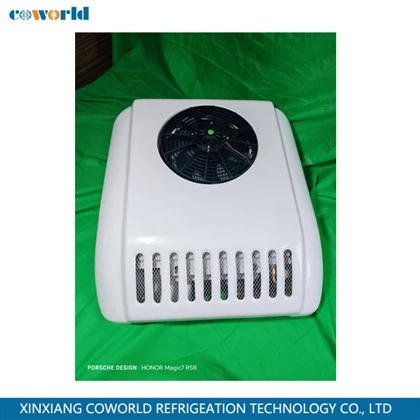
First, let’s get one thing straight: bus AC systems aren’t the same as the unit in your personal car or home. A standard residential air conditioner is designed to cool 1,000 to 1,500 square feet, while a 40-foot transit bus needs to cool around 300 square feet of space with 30 to 50 people on board, all generating body heat. Add in the heat seeping through the windows, the engine’s residual warmth, and even the tires rubbing against the asphalt, and you’ve got a system that has to work much harder than you might think. The goal of adjusting the temperature isn’t just to get the cabin as cold as possible—it’s to balance three key factors: passenger comfort, system efficiency, and energy use.
Let’s start with passenger comfort, because that’s the whole point of adjusting the AC in the first place. For decades, the American Society of Heating, Refrigerating and Air-Conditioning Engineers (ASHRAE) has set the standard for thermal comfort in public spaces, and that applies directly to buses. For a space with mixed ages, activity levels, and clothing (think a teen in a hoodie next to an elderly passenger in a short-sleeve shirt, or a kid running around in the back row), ASHRAE’s recommended temperature range for public transit cabins is between 22 and 24 degrees Celsius (72 to 75 degrees Fahrenheit) in the summer. Wait, that might sound warmer than you’d expect if you’re used to cranking your car AC to 18 degrees Celsius (65 degrees Fahrenheit), but there’s a reason for that. When you set a car’s AC to a very low temperature, the system cools the air too quickly, and the vents blow out cold air at a much higher velocity. That can create uneven cooling—some passengers feel chilled while others are still sweating—and it forces the AC to cycle on and off more frequently, which puts unnecessary strain on the compressor, the most expensive part of the entire bus AC system.
In the winter, the same logic applies, just flipped. ASHRAE recommends a cabin temperature of 20 to 22 degrees Celsius (68 to 72 degrees Fahrenheit), and never higher than 24 degrees Celsius. Why? Two reasons: first, temperatures above that can make passengers drowsy, which is a huge safety risk for bus drivers who need to stay alert for hours on end. Second, heating a bus beyond that range increases fuel use by up to 15% per trip, according to data from the Federal Transit Administration (FTA). For a charter bus company that runs 10 routes a day, that’s an extra $2,000 to $3,000 a month in fuel costs—all just because someone cranks the heat too high.
Now, let’s talk about the actual steps to adjust your bus AC correctly, because it’s not just about dialing a number. I’ll break this down by season, since the process changes a little between summer and winter, and add a few pro tips we’ve developed over the years working with our maintenance clients.
First, pre-adjustment checks. Before you even touch the temperature controls, take two minutes to make sure your AC system is ready to work. In the summer, that means turning off any auxiliary heaters (most buses have a separate heater for the driver’s compartment that can blow hot air into the main cabin if it’s left on by mistake) and checking that all cabin air vents are open and not blocked by luggage, seats, or even fallen leaves that might have gotten stuck in the vent grilles. Blocked vents cause uneven air flow, so even if you set the temperature correctly, some parts of the bus will feel cold and others will feel warm. In the winter, that means making sure the cabin air filter isn’t clogged— a dirty filter can reduce heating efficiency by up to 20% according to our testing, and it also leads to poor air quality, which passengers hate.
For summer temperature adjustment: Step one, turn the fan on medium speed first. This is a trick we share with every new transit agency client. High fan speed blows air too fast, so it feels colder than it actually is, and it also doesn’t give the refrigerant enough time to absorb heat properly. Medium speed gives the AC compressor time to work efficiently, and it distributes air evenly across the cabin. Step two, set the temperature control to the recommended range of 22 to 24 degrees Celsius. Wait 10 to 15 minutes, because bus cabins are large—they don’t cool down instantly. I see this mistake all the time: a driver gets on a 90-degree bus, cranks the AC to 18 degrees, and after two minutes, feels it’s not cold enough, so they crank it even lower. By the time the cabin actually cools down, it’s freezing, and after that, the AC will cycle off and on every few minutes, wasting energy and wearing out parts. If after 15 minutes the cabin is still too warm, you can bump the fan speed up one level, not the temperature down. That’s a key difference between residential AC and bus AC: adjusting fan speed is for comfort, adjusting temperature is for set point.
Pro summer tip from our team: For buses that have both fresh air and recirculation modes, use fresh air for the first 5 minutes after the bus leaves the station, then switch to recirculation. Fresh air helps pull out the hot, humid air that’s built up while the bus is parked, but recirculation keeps cold air inside, so the system doesn’t have to work as hard to maintain temperature. Just don’t run recirculation the whole trip without cycling back to fresh air every 20 minutes—stagnant air can build up with carbon dioxide, which makes passengers groggy.
For winter temperature adjustment: The process is almost the same, just flipped. First, turn the fan on medium speed—high fan speed in the winter blows hot air too fast, which can make upper parts of the cabin feel warm while lower parts stay cold, and it also wastes fuel. Set the temperature between 20 and 22 degrees Celsius, wait 10 to 15 minutes. If it’s still too cold, bump the fan speed up, not the temperature. And here’s a big mistake we see in winter: turning the heat on full blast as soon as the bus pulls up to the stop. That wastes fuel and also can cause the heater core to overheat, which leads to costly repairs. Another pro tip: in the winter, use fresh air for 3 to 5 minutes every 15 minutes to prevent window fogging—fogged windows are a major safety hazard for drivers, and adjusting for it with fresh air is way more efficient than wiping windows down mid-route.
Now, let’s talk about the most common mistakes people make when adjusting bus AC, because these are the issues that lead to the biggest problems. The first is “overcooling” or “overheating” the cabin. As I mentioned earlier, every degree you set below the recommended summer range increases energy use by 3 to 5%, according to the FTA. For a fleet of 50 buses, that’s 150 to 250 extra gallons of fuel a month, or around $600 to $1,000, just from small temperature adjustments. And overcooling doesn’t even make passengers happier—surveys we’ve done with school bus passengers show that 70% prefer a slightly warmer cabin over a freezing one, because cold air makes motion sickness worse, especially for kids.
The second common mistake is ignoring manual adjustments for sun load. Bus cabins get a lot of direct sunlight, especially on the side windows facing east or west. If you’re driving a route in the middle of the day when the sun is high, you might need to bump the fan speed up one level for a few minutes, since the sun is adding extra heat to the cabin. If you’re driving at dusk, when the sun is low and the air is cooler, you can lower the fan speed. Most modern bus AC systems have smart controls that let you adjust for sun load automatically, but a lot of drivers don’t know that feature exists. We train all our clients on how to use those smart controls, because they cut AC energy use by up to 25% for high-sun routes.
The third mistake is forgetting to calibrate the temperature controls every 6 months. Just like your car’s speedometer or a thermostat in your home, bus AC controls can drift over time. A dial that says 22 degrees might actually be blowing air at 20 degrees, or vice versa, because of wear and tear from vibration when the bus is driving. We recommend doing a simple calibration check twice a year: set the control to a known temperature, use a thermometer to check the air coming out of the vents, and adjust the control accordingly. It takes 10 minutes, but it keeps your AC running at the right efficiency all year.
Now, as a bus AC supplier, I want to be clear: adjusting the temperature correctly only works if your AC system is in good shape. If you have a clogged air filter, low refrigerant, or a compressor that’s on its last legs, no amount of dialing will get you the comfort or efficiency you need. That’s why we work with every client to create a simple maintenance schedule that pairs with temperature adjustment: change air filters every 3 months, check refrigerant levels every 6 months, and do a full system tune-up once a year. When you combine proper adjustment with regular maintenance, you can extend the life of your bus AC by 3 to 5 years, which saves tens of thousands of dollars in replacement costs over a fleet’s lifecycle.
For example, last year we worked with a small charter company in Ohio that was complaining about high AC repair costs and passenger complaints about inconsistent cooling. We did an audit of their 12 buses, and found that their drivers were setting the temperature to 18 degrees Celsius all summer, and only changing the fan speed once a day. We trained their maintenance team on the correct temperature ranges and calibration process, and replaced their clogged air filters. Within two months, their repair costs dropped by 28%, passenger comfort complaints went down by 70%, and their fuel use for AC dropped by 19%. That’s not a small win—for a charter company, that adds up to thousands of dollars a year that can be reinvested in new routes or better amenities.
If you’re reading this and managing a fleet of buses, whether they’re transit, school, charter, or tour, the key takeaway is that proper temperature adjustment isn’t just a comfort tip—it’s a cost-saving, safety-focused practice that impacts every part of your operations. It takes less than a minute to adjust the fan speed and set the temperature to the right range, and it pays off in lower fuel costs, fewer repairs, happier passengers, and safer drivers.

If you’re ready to optimize your bus AC performance, or if you have questions about adjusting your system for your specific fleet, we’re here to help. Our team works with operators of all sizes, from small school districts to large national transit agencies, to provide training, maintenance support, and high-quality bus AC components that are built to last. We don’t just sell units—we partner with our clients to make their operations run smoother, more efficiently, and more comfortable for everyone on board.
Refrigerated Truck References
ASHRAE Standard 55: Thermal Environmental Conditions for Human Occupancy, 2021
Federal Transit Administration (FTA) Report: Energy Efficiency Strategies for Transit Bus Fleets, 2022
Bus Air Conditioning System Performance Testing: Field Trials for Urban Transit Buses, 2023, HVAC&R Research Journal
Xinxiang Coworld Refrigeration Technology Co., Ltd.
As one of the most professional bus air conditioner manufacturers and suppliers in China, our products have good reputation in the market. We warmly welcome you to buy cheap bus air conditioner for sale here from our factory. If you have any enquiry about cooperation, please feel free to email us.
Address: B103 ROOM, GT CITY, NO.199 ZHENGZHONG ROAD, HIGH TECH ZONE, XINXIANG CITY, HENAN PROVINCE, CHINA
E-mail: coworldfrio@hotmail.com
WebSite: https://www.coworldthermo.com/
