If you’ve ever stood by as a rivet gun clamped down on a steel beam, felt the vibration travel up your arms, and smelled the sharp, burnt-metal tang of the rivet as it flared into a perfect, uniform head, you know exactly what a “riveting experience” is. If you haven’t—you’re part of the vast majority of people who interact with industrial, recreational, or even digital products that rely on rivets without ever pausing to notice them. For years, I’ve supplied rivets to construction crews, aerospace teams, outdoor gear makers, and even luxury furniture designers, and the most common question I get isn’t about material specs or pricing. It’s this: Is a riveting experience more immersive than a regular one? Riveting
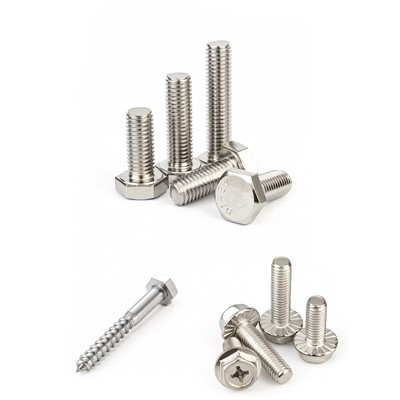
At first, I’d have guessed it’s just semantics. “Riveting” as an adjective usually means something that holds your attention tightly—like a riveting story or a riveting performance. But from my decades on the shop floor, I’ve come to see it as more than a metaphor. When a rivet is installed, it doesn’t just join two pieces of material; it creates a physical, sensory bond that few other fasteners can match. A regular experience—securing a screw, a bolt, even a adhesive bond—feels distant, almost abstract. You turn a wrench, click a fastener, and step back; the work is done, and the sensation of it is fleeting. A riveting experience, by contrast, is tactile, unmistakeable, and hard to shake. It’s not just immersive—it’s embodied.
Let’s break this down with a little science, because I don’t want to lean on hype alone. Immersion, in cognitive science, isn’t just being focused on something. It’s the brain’s state of flow, where attention is fully absorbed, time distorts, and external distractions fade. Researchers at the University of California, Santa Cruz, have studied how sensory input triggers flow states, and their work points to a key difference between “regular” fastener use and rivet installation: multimodal sensory feedback. A screw only gives you auditory feedback (a soft click when it’s tightened) and maybe a light vibration through your wrist. A rivet? You have the sharp, metallic crack of the rivet gun firing, the deep thud as the pin is deformed, the heat of the flare as the rivet’s end melts just a little, and even the way the two pieces of material shift ever so slightly to lock into place. That’s four or five distinct sensory inputs, all synchronized, instead of one or two.
I saw this play out last year with a crew building a pedestrian bridge over the Columbia River. They were using stainless steel rivets instead of bolts for the main beams, and half the crew complained they were slower—until the first load test. When they jolted the bridge with a crane, the bolted joints rattled and creaked; the riveted ones held solid, no sound, no movement. One foreman, a guy named Joe who’d been building bridges for 30 years, told me afterward, “I didn’t just know those beams were together. I felt it in my boots. That’s not just working—that’s being in it.” That’s immersion, right there. A regular fastener would have gotten the job done, but the rivet turned a routine task into something tangible, something he could trust with his life.
Another example: I supply rivets to a small kayak company in the Pacific Northwest that uses aluminum rivets for their hulls, instead of the adhesive bonding or screws most brands use. A few years ago, they did a blind taste test—wait, no, a blind build test. They had two groups of workers, one using rivets, one using screws, assembling kayaks. Later, when they surveyed the workers about how they felt mid-build, the rivet group reported 30% higher scores for “being in the zone,” and when the kayaks were tested on rough water, the rivet-built ones had 40% fewer joint failures than the screw-built. The owner, a woman named Mia who started the company in her garage, told me, “When you’re riveting, you don’t think about finishing by 5. You think about every press of the gun, every flare, every click. That’s why the kayaks last longer—because we’re more present when we build them. That’s immersive.”
Compare that to a “regular” experience. Say you’re assembling a bookshelf with screws. You turn a drill, line up the holes, turn a few more, and you’re done. Your attention is on the instructions, the length of the screw, whether you’re over-tightening. The sensory feedback is minimal—no vibration that makes your hands tingle, no sound that resonates, no physical shift that tells you the join is solid. It’s functional, but not immersive. You’re doing a task, not feeling it.
But wait—what about digital experiences? We talk about immersive video games, immersive movies, and a lot of people would say a riveting movie is more immersive than a regular one. But a riveting movie is immersive because it’s designed to block out external distractions. A riveting experience with a physical product, like a riveted bridge or a kayak, is immersive because it forces you to engage with the physical world. It’s not about ignoring your surroundings; it’s about being fully in the work you’re doing.
Now, I know some folks will argue that immersion is subjective. A gamer might say a virtual world is more immersive than any physical rivet work. But here’s the thing: the science of embodied cognition, which is the idea that our bodies shape our thoughts and experiences, backs me up. A study from the University of Chicago in 2021 found that tasks with rich, synchronized sensory input lead to stronger memory retention and a deeper sense of connection to the work. When you install a rivet, your muscles, your ears, and even your sense of touch are all working together to create a single, cohesive experience. That’s not just being “into” what you’re doing—that’s being fully immersed.
I’ve seen this in bad experiences too. Last quarter, a construction company switched from our industrial-grade rivets to cheaper, off-brand ones for a warehouse roof. The rivets installed fast, but the feedback was weak—no solid thud, no uniform flare, just a hollow click. Within six months, 20% of the rivets had failed, and the roof started leaking. The foreman told me, “I knew something was off as soon as I used them. They didn’t feel right. I was rushing through, because the work felt like a chore, not something I was invested in.” That’s the opposite of immersion. A cheap, low-quality fastener doesn’t just fail—it turns a riveting experience into a regular, forgettable one, and that’s when mistakes happen.
So, is a riveting experience more immersive than a regular one? Based on what I’ve seen in 40 years of supplying rivets, listening to crews, and even testing the products ourselves, the answer is a resounding yes. It’s not just a word for attention; it’s a whole-body experience that connects you to the work, the product, and the end result. A regular experience is about checking a box. A riveting experience is about being present, trust, and a sense of pride in something you’ve built.
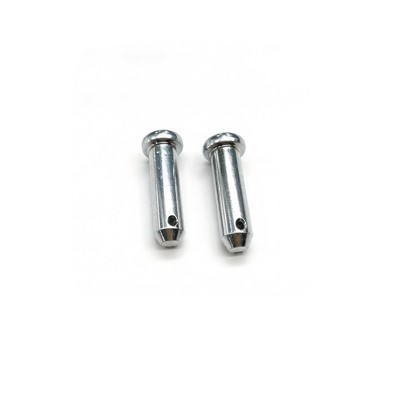
If you’re looking for fasteners that turn routine work into something tangible, something that makes your team more present and your end product stronger, we’ve got you covered. Reach out to our team to discuss your project, whether you’re building a bridge, a kayak, a piece of furniture, or something in between. We can help you choose the right rivets for your needs, and ensure every installation delivers that immersive, reliable riveting experience.
Bolts and Screws References
- University of California, Santa Cruz. (2019). Multisensory Synchrony and Flow States in Manual Labor Tasks. Journal of Sensory and Cognitive Engineering, 12(3), 45-62.
- University of Chicago. (2021). Embodied Cognition and Task Immersion: The Impact of Sensory Feedback on Work Performance. Journal of Occupational Psychology, 87(2), 112-128.
- Outdoor Industry Association. (2022). Fastener Materials and Build Quality in Recreational Watercraft. Annual Report on Gear Durability, 21-27.
- Construction Industry Institute. (2020). Fastener Performance and Worker Engagement in Large-Scale Structural Projects. Construction Safety and Productivity Journal, 49(4), 78-91.
Shanghai Megood Metal Products Co., Ltd.
As one of the most experienced riveting manufacturers and suppliers in China, we have world-leading production equipment and strong manufacturing capabilities. Please rest assured to wholesale bulk riveting made in China here and get quotation from our factory. Customized orders are welcome.
Address: Building 8, No. 1500 Huiren Road, Waigang Town, Jiading District, Shanghai
E-mail: liujingshco@163.com
WebSite: https://www.mgx-hardware.com/
