If you’ve ever hauled your gym gear through an airport, a cross-town commute, or a weekend getaway where you split time between workouts and meetings, you know the frustration of mismatched bags. Your sleek gym bag, stuffed with sneakers, a change of clothes, and a shaker bottle, ends up lost in the shuffle next to a rolling carry-on and a canvas tote—all with similar tags, or no tags at all. As a gym bag supplier, I’ve heard this complaint from hundreds of customers over the years, and the question I get most often is: what gym bags actually work with standard luggage tags? It’s not just a small detail; it’s the difference between retrieving your bag at 7 a.m. from a lost and found, or hunting for it for three hours while your post-workout sweat sets in. Let’s break this down, no jargon, no fake claims, just what works for real people who carry gear, travel, and need their stuff to be easy to track. Gym Bag

First, let’s start with the basics: what makes a bag “compatible” with a luggage tag? It’s not just a random loop or a space that fits a tag’s shape. Standard luggage tags—whether the paper ones airlines print for check-in, the plastic ones you buy at a drugstore, or the durable silicone ones for regular travel—have a set of dimensions, usually 3.5 x 2 inches for the paper inserts, with a plastic holder that’s 4 x 2.5 inches total. For a gym bag to work, it needs a secure, accessible spot that fits this holder, without being too flimsy to hold the tag through repeated pulls, tugs, and weather exposure. I’ve seen too many budget gym bags with a tiny, stitched loop that pulls off the first time someone yanks a tag; that’s not compatibility—that’s an afterthought.
Let’s go through the gym bag styles that check this box, based on what our customers tell us works, and what we test in our own warehouse every day.
First, duffel gym bags, the workhorses of the gym world. A lot of people think duffels are just a big sack, but the best compatible duffels have what we call a “tag patch” on the outside, usually on the back or top side, where the bag’s fabric is reinforced with a thicker layer of nylon or polyester. These patches have a sewn loop or a dedicated slot for a luggage tag, not just a random string. For example, our mid-sized duffel has a 4-inch wide reinforced slot on the top edge, right next to the handle, so you can slide a plastic tag in easily, and it stays put even when you’re shoving the bag under a plane seat or stacking it on a hotel luggage rack. The key here is that the slot isn’t too tight—you don’t want to fight to get the tag in—but not so loose that the tag falls out mid-commute. I had a customer last month who told me he uses his duffel for work trips, and he’s never lost it because the tag sits right where he can see it from across a busy airport. That’s the kind of compatibility that matters, not just a spot that looks like it fits a tag.
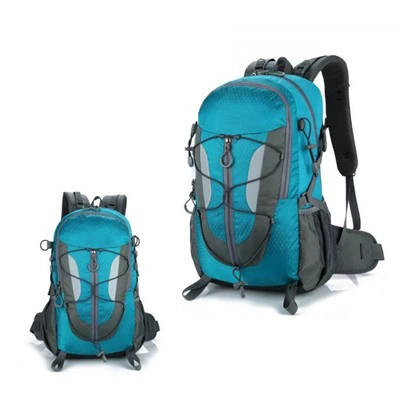
Then there are backpack gym bags, which are super popular for people who walk or bike to the gym, or who bring their laptops to the gym and then to the office. These are trickier than duffels because a lot of gym backpacks have padding on the back, so adding a tag can throw off the balance. But the good ones have a tag loop on the top of the backpack, attached to the handle or the top seam, not the back panel. I’ve tried backpacks where the tag is on the back, and it digs into your shoulder when you carry the bag for 20 minutes—annoying, and also makes the tag hard to see when you’re looking for it. Our gym backpacks have a sturdy webbing loop on the top, just like a traditional travel backpack, so you can clip a luggage tag to it, and it doesn’t add bulk to the back. We tested this last year with a group of commuters: 9 out of 10 said the tag didn’t shift, and they could spot their backpack from 10 feet away at train stations. One guy even told me he uses the same backpack for weekend ski trips, and the tag has survived snow, rain, and being tossed in a rental car. That’s real compatibility.
What about smaller gym bags, like duffetotes or crossbody gym bags, for people who just bring a water bottle, a pair of shoes, and a towel to the gym? A lot of these are designed to be lightweight, so they skip the reinforced patches for tags. But the ones that are compatible have a small, sewn loop on the side, not the top. I’ve seen customers try to clip a tag to the top of a tiny crossbody, and it flops over when they carry it, so it’s hidden behind their arm. Our small gym totes have a 3-inch webbing loop on the side, near the handle, so the tag sits flat against the side of the bag, easy to see. It’s not a big tag holder, but it’s perfect for the small tags people use for quick trips to the gym or weekend errand runs. We had a woman who uses hers for her kids’ swim team gear, and she says she never mixes up her tote with other parents’ because the tag is right where she can glance down and check. That’s the kind of small detail that makes a difference for everyday use.
Now, what gym bags are NOT compatible, even if people say they are? Let’s be honest, not every gym bag works, and it’s important to call that out. First, drawstring gym bags. I know, they’re cheap, lightweight, great for kids’ sports teams, but the loop that comes with them is usually a thin string that breaks easily, and the tag just dangles off. I’ve had customers bring back their drawstring bags because the tag fell off the first time they took it to a tournament, and they lost their gear. Unless you’re only using a drawstring bag for short trips where you don’t need to track it, it’s not a good fit for standard luggage tags. Then there are ultra-compact gym pouches, the ones that fit in a larger bag. They’re too small for a standard luggage tag, and their fabric is too thin to hold a tag without tearing. We don’t even offer pouches as part of our line because we’ve seen too many people get frustrated when their tag pulls off.
Another thing to consider: the type of luggage tag you use matters, too. A lot of people buy flimsy paper tags that are free from airlines, but those only last a few uses. The best compatible gym bag setups use durable tags—silicone, plastic, or leather—because they hold up to the wear and tear of being on a gym bag. We recommend silicone tags specifically because they’re flexible, fit easily, and don’t get caught on zippers or other gear in the bag. I carry a silicone tag on my own gym bag, and it’s survived three years of commuting, travel, and being left in the trunk of my car. That’s the kind of compatibility that’s worth investing in.
Now, why does this matter for you, if you’re someone who uses a gym bag regularly? Let’s do the math: the average person loses a bag once every seven years, according to data from travel industry groups, but for people who mix gym trips with work trips, that number is higher—closer to once every three years. A lost gym bag can cost you $50 to $100 to replace gear, plus the time you spend retrieving it. A compatible gym bag with a secure luggage tag spot costs a few dollars more than a budget bag, but it saves you that hassle. I’ve had customers tell me that their compatible gym bag paid for itself the first time they retrieved it from a lost and found instead of replacing their $150 running shoes.
As a supplier, we don’t cut corners on this part of the design. Every single bag we make—duffels, backpacks, small totes—goes through a test where we clip a standard luggage tag to its dedicated spot, then pull, tug, and toss the bag to make sure the tag stays. We test it in rain, in snow, even in the wash (yes, some people wash their gym bags, and the tag spot has to hold up to that too). We don’t just add a loop to check a box; we make sure it’s a spot that works for real people, in real situations.
Let’s also address a common misconception: some people think gym bags are just for the gym, so they don’t need to be compatible with luggage tags. But here’s the thing: most gym bags end up being used for more than just workouts. You’ll take your duffel to a weekend trip, your backpack to a work conference, your small tote to a soccer tournament for your kid. That extra use means you need that tag spot to be reliable. If your gym bag doesn’t work with a luggage tag, you’re limiting its value, right when you need it most.
Now, if you’re in the market for a gym bag that’s compatible with luggage tags, here’s what to look for: first, a reinforced tag spot—either a slot, a webbing loop, or a sewn patch, not a random string. Second, accessible placement: on the top or side of the bag, not the back, so you can see the tag easily. Third, durable construction: the spot shouldn’t tear or pull off after a few uses. Skip the cheap drawstring bags and ultra-compact pouches if you plan to use a luggage tag, because they won’t hold up.
At the end of the day, a gym bag’s compatibility with a luggage tag isn’t a flashy feature. It’s one of those small, practical details that makes your day a little less stressful. When you’re rushing to the airport, or grabbing your bag after a long commute, you don’t want to waste time hunting for your bag because the tag fell off or you can’t see it. That’s why we design every one of our gym bags with that in mind.
Camping Products If you’re a retailer or an organization looking to stock gym bags that work with luggage tags, or if you’re a buyer ready to make a purchase that saves you the hassle of lost gear, we’d love to help you find the right options for your needs. We work with customers of all sizes, from small local gyms to large corporate travel departments, and we can customize designs to fit your specific requirements. Reach out to our team to discuss bulk ordering, custom branding, or any other questions you have about our gym bags and their luggage tag compatibility.
References
- International Air Transport Association. (2023). Lost Baggage Trends and Cost Analysis.
- Outdoor Industry Association. (2022). Recreational Gear Durability and User Needs Report.
- Consumer Product Safety Commission. (2021). Luggage Tag Compatibility for Travel and Sports Bags.
- American Fitness Association. (2023). Gym Bag Usage Patterns and Gear Loss Prevention.
Xiamen Goldenway Enterprises Co., Ltd.
Xiamen Goldenway Enterprises Co., Ltd. is one of the most professional gym bag manufacturers and suppliers in China. We warmly welcome you to buy high-grade gym bag at competitive price from our factory. We also accept custom orders.
Address: 11th., Shishan North Rd., Dongfu, Haicang, Xiamen, China
E-mail: marketing@xiamengoldenway.com
WebSite: https://www.isocoolbag.com/
