Hey guys, let’s cut to the chase: I’m a bentonite supplier, and I get so many questions from customers, friends, even random dudes at trade shows hitting me with, “Wait, is bentonite actually safe for humans?” Spoiler: It’s not some weird toxic clay we’re pumping into everything, but there’s a lot of misinformation floating around, so let’s break this down straight, no corporate jargon. Bentonite
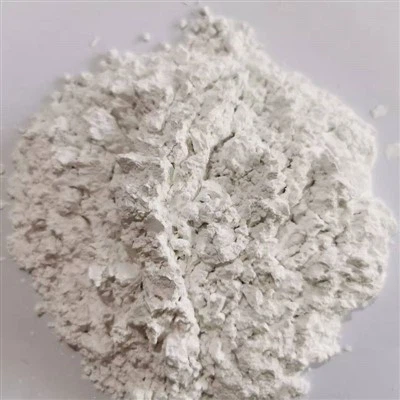
First, let’s start with what bentonite even is. It’s a clay made from weathered volcanic ash, mostly sodium or calcium montmorillonite. I’ve been working with it for 8 years now, and we source high-grade stuff from deposits in the western US—super pure, no weird fillers. A lot of people confuse it with other clays, like maybe some funky industrial clay with heavy metals, but that’s not our product, and that’s a key point. When you’re talking safety, the source and processing matter more than the clay itself.
Let’s get the food-grade stuff out first, because that’s what most people care about when they say “safe for humans.” Bentonite is FDA-approved as a food additive, right? It’s used for clarifying wine, beer, even some fruit juices—you’ve definitely had a sip of a wine that used bentonite to clear it, no big deal. I’ve had customers run small-batch craft breweries that swear by our food-grade bentonite for filtering, and they’ve been using it for years with zero issues. The FDA says it’s GRAS—Generally Recognized As Safe—when used as intended, which is mostly a processing aid, not something you’re chugging by the bucket.
Now, let’s talk about internal uses, because that’s where some of the “is it safe?” chatter comes from. Some people do bentonite clay cleanses—drinking it mixed with water, or using it in supplements. Wait, hold on, it’s not regulated as a drug, so you have to be careful with that. But studies? Let’s check: The European Food Safety Authority (EFSA) did a review a while back, and they said that calcium bentonite, when taken orally in moderate amounts, doesn’t build up in your body. It’s a clay, so it passes through your digestive tract, binds to stuff like excess gut bacteria or heavy metals (in small amounts), and flushes out. But here’s the catch: Don’t overdo it. If you’re taking huge doses without drinking enough water, that can cause constipation or blockages. That’s not the clay being toxic, that’s just a basic rule of eating anything fibrous or clay-like—moderation, and hydration. I always tell my customers who do internal cleanses to stick to the recommended doses on the packaging, no sneaking extra scoops thinking “more is better.”
What about topical uses? Face masks, body wraps, even toothpaste—bentonite’s everywhere in natural personal care. I’ve had a few spa clients buy our cosmetic-grade bentonite for their masks, and they love it for absorbing excess oil. The skin is porous, but bentonite is pretty gentle on most skin types, as long as it’s properly processed to remove impurities. I’ve seen people with sensitive skin use it without irritation, but again—patch test first. Some clays have a higher pH, but our cosmetic-grade is pH-balanced, so it’s not going to burn or dry you out. The only real risk here is if you use it with dirty tools, obviously, or if you leave it on too long—dry skin, not toxic reactions.
Now, let’s address the elephant in the room: heavy metals. A lot of the fear around bentonite comes from old studies on industrial-grade clays that have high levels of lead or arsenic. But here’s the thing—we test every batch we send out, multiple times a year, for heavy metals. Our food and cosmetic-grade bentonite has way below the limits set by the FDA and EFSA. I remember a while back, a customer emailed me panicking because he saw a random blog saying bentonite has lead, but he was buying cheap clay from a overseas supplier. That’s the mistake. If you’re getting bentonite from a reputable source (like us), the heavy metal levels are negligible—way less than what’s in some common vegetables, honestly.
Wait, what about people with certain conditions? Like, if you have kidney issues, should you avoid it? I’m not a doctor, so always check with your doc, but from what I’ve read, bentonite doesn’t accumulate in the kidneys. But if you’re on blood thinners or other meds, some people say it can bind to the meds and make them less effective. Again, that’s not a safety hazard, just a thing to talk to your doctor about, not something to avoid bentonite entirely for.
Now, let’s clear up the myths. I’ve heard people say bentonite causes cancer, or infertility, or whatever, and I’m like—where are these studies? The only studies linking bentonite to negative health effects are on inhaling large amounts of powdered bentonite, like occupational exposure for miners. If you’re breathing in tons of bentonite dust every day without a mask, that’s bad for your lungs—same as any fine dust, like flour or talcum. But if you’re using it topically, drinking it (moderately), or using it in food, you’re not inhaling massive amounts of dust. That’s a workplace hazard, not a consumer one.
I’ve been in this game for 8 years, and I’ve seen bentonite go from a niche industrial clay to a go-to for natural products, and the number one question still is safety. And yeah, I get it—when you see a random “superfood” clay popping up, it’s easy to be skeptical. But the key here is sourcing and purity. We don’t cut corners. Our bentonite is mined, processed, and tested in-house to make sure it’s clean. We don’t mix in fillers, we don’t source from sketchy deposits, and every batch has a Certificate of Analysis (CoA) so our customers can see exactly what’s in it.
Let me give a real example: A few years back, a local bakery reached out to us, saying they’d been using another bentonite supplier’s clarifying clay, and their wine came out with a weird metallic aftertaste. Turns out that supplier was cutting their bentonite with cheaper industrial clay that had higher iron levels. We sent them a batch of our food-grade bentonite, and they’ve been using us ever since. That’s why transparency matters—we never hide what’s in our product.
Now, if you’re a small business owner—craft brewery, spa, supplement company—or even just someone who wants to use bentonite safely, what should you do? First, don’t buy the cheapest stuff you can find. Second, check for CoAs. Third, stick to the intended use: food-grade for processing, cosmetic-grade for skin, internal-use (if you’re doing that) specifically labeled for supplements. And if you’re ever unsure, hit me up. I’m not here to push sales— I’m here to answer questions, because I know how confusing this stuff is.
At the end of the day, bentonite is safe for humans when it’s the right grade, used correctly, and sourced from a trustworthy supplier. It’s not a miracle clay, and it’s not a toxic one either. It’s just a natural mineral that’s been used for centuries—ancient civilizations used it for healing, water purification, food preservation. It’s worked this long, and it’s still working now, as long as we do it right.

If you’re looking for bentonite for your business, or you have questions about our products, feel free to reach out for a procurement chat. We can talk grades, pricing, testing, whatever you need to make sure you’re getting a safe, high-quality product.
Kaolin References
- U.S. Food and Drug Administration. (2023). Food Additives Permitted for Direct Addition to Food for Human Consumption. 21 CFR Part 172
- European Food Safety Authority. (2014). Scientific Opinion on the safety of calcium montmorillonite as a food additive
- World Health Organization. (1998). Bentonite and Silica in Drinking Water: Background Document for Development of WHO Guidelines for Drinking-Water Quality
- International Programme on Chemical Safety. (2000). Bentonite Concise International Chemical Assessment Document 25
Lingshou County LM Mineral Products Co., Ltd.
As one of the most professional bentonite manufacturers and suppliers in China, we’re featured by quality products and good service. Please rest assured to buy customized bentonite made in China here from our factory. Contact us for more details.
Address: Dongzhuang Village, Nanyanchuan Township, Lingshou County, Shijiazhuang City, Hebei Province
E-mail: lmwtwz@163.com
WebSite: https://www.lmwtz.com/
