If you’ve ever worked with industrial equipment, you know weldless chains are workhorses—they power conveyor systems, lift heavy loads in manufacturing lines, and keep agricultural machinery running through long harvest seasons. As a supplier who’s spent 12 years delivering these chains to factories, farms, and construction sites, I’ve seen firsthand how even the highest-quality weldless chain can fail prematurely because of bad storage. Most folks think “storage” just means sticking it in a corner, but the truth is, these chains are precision-engineered products—mess them up, and you’re looking in the mirror for why your chain snapped mid-shift. Let’s break down exactly how to store weldless chain properly, no guesswork required. Weldless Chain
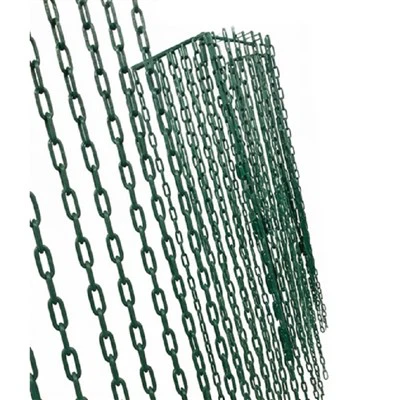
First, let’s start with why weldless chain is different from welded chain, because that’s the root of most storage mistakes. Weldless chains—our product, specifically—are constructed with interlocking links pressed or crimped together, no welds at all. That makes them lighter, more flexible, and perfect for applications where welded chain’s extra rigidity would be a hassle. But that lack of welds also means they’re more sensitive to the elements: metal-on-metal contact, moisture, temperature swings, and even how you lay them out can warp their links or cause hidden rust that turns into breakage when you need the chain most. I once had a regular customer, a small food processing plant manager, call me panicking because a batch of our weldless chain snapped during a critical tomato canning run. Turned out his team had dumped the chain on a concrete warehouse floor in a damp back corner for three months. The links had rusted from the ground moisture, and the weight of the pile stretched some links out of alignment. We replaced the chain, but it was a preventable mistake—one that comes from not understanding weldless chain’s unique vulnerabilities.
Now, let’s get to the practical steps. I’ve tested these storage methods with our own inventory and dozens of customer setups over the years, so these aren’t just theoretical tips—they work.
First, prep the chain before you even put it away. A lot of people grab their used weldless chain, toss it in a bucket, and call it good—but that’s a fast track to corrosion. After use, every single time, you need to clean it. What kind of cleaning? For light dirt and food residue (if it’s agricultural or food-grade chain), a mild detergent and warm water is fine—no harsh chemicals, because those can break down the protective coatings we apply during manufacturing. If it’s used in heavy machinery with grease and metal shavings, a biodegradable degreaser works best, just make sure to rinse it thoroughly. Then, dry it completely. I mean, 100% dry. I’ve seen people pat it with a rag and call it dry, but even a tiny bit of trapped moisture between links will turn into rust in a week. For a big length of chain, I hang it up and blow it off with a low-pressure air compressor, or let it air dry in a warm, well-ventilated space for 24 hours before storing. Skip putting a wet chain in a plastic bag or sealed container—that traps moisture like a greenhouse and causes faster rust.
Next, storage location matters more than most people realize. We used to store excess inventory in a back room with a leaky roof, and within a year, 5% of our chain had surface rust. That’s when we learned: pick a space that’s climate-controlled if you can. Temperature should stay between 50°F and 70°F, and humidity below 50%. If you don’t have a climate-controlled space, at least keep it off the ground, away from walls, and out of direct sunlight. Direct sunlight can fade any protective oil or coating we apply, making the chain more prone to rust over time. Avoid spaces near loading docks where rain or snow can blow in, or areas with fumes from chemicals, paint, or solvents—those fumes can corrode metal even faster than water. If your only option is an outdoor storage area, you’ll need extra protection, but I’d always recommend moving weldless chain inside if possible.
Then, how you lay or hang the chain is make-or-break. Weldless links are delicate—if you lay them in a big pile, the weight of the top links can stretch or bend the smaller lower links, especially for light- or medium-duty chain. I’ve had a customer tell me his new chain arrived bent after delivery, but no—it was how he stored it: he stacked it like a cord of wood in a corner for two weeks. So what’s the right way? There are two methods, depending on the length of the chain.
For short lengths (under 50 feet): Hang it on a peg or a hook. Make sure the hook is big enough to let the chain hang straight, no kinks. Kinks are a huge problem—once a link is kinked, it’s weak. Never twist a weldless chain into a tight loop to hang it. If you don’t have enough hooks, you can lay it loosely in a clean, flat bin, but only if it’s a short length, and make sure the bin doesn’t hold any standing water. Line the bin with a plastic sheet or wooden pallet to keep the chain off the bin’s bottom, in case there’s condensation.
For long lengths (over 50 feet): The worst thing you can do is coil it like a garden hose and stack it. That creates tight twists that will warp links. The proper way is to spool it onto a reel. Our customers who handle long chain for conveyor systems swear by this. You can use a manual spooling reel (they’re affordable, we sell them as an add-on for our industrial customers) or even a large wooden spool if you have it. When spooling, go slow to avoid kinking—pull the chain gently as you wind it so each layer sits flat and doesn’t overlap tightly. If you don’t have a reel, you can lay it in a long, loose coil on a flat surface, but make sure the coil isn’t tighter than 3 feet across. Too big, and the weight will stretch links; too small, and kinks form. I always tell customers: imagine the chain is a thick rope—you don’t coil a thick rope into a 1-foot circle, right? Same rule applies here.
Then, protection from the elements and physical damage. Even if your chain is stored inside, you should apply a light coat of lubricant before long-term storage (longer than 3 months). We use a food-grade, anti-corrosion lubricant for our food-safe chains, and a heavy-duty grease for industrial chains—you don’t want to use something too thin that will evaporate, or too thick that will attract dust and dirt. A light coat is all you need—wipe off any excess with a clean rag, so it doesn’t transfer to other items or get tracked onto your equipment when you use it. For extra protection, cover the spool or hung chain with a breathable plastic sheet—something that lets air circulate, but keeps dust and accidental spills off. Never use a non-breathable tarp or plastic bag, because that traps moisture. For chains stored outside (only do this if you have no indoor space), you’ll want to add an extra layer: wrap the entire spool in a heavy, waterproof tarp, and elevate the spool on wooden blocks so it’s not sitting on damp ground. Check on it every month to make sure no moisture got in, and wipe off any condensation if you see it.
One common mistake I see all the time is mixing new and used weldless chain. Customers will dump their old, dirty chain in a bin with new chain, and the old chain’s grease and moisture will transfer to the new one, leading to rust. Always store new chain separately from used, and clearly label every bin or spool with the type of chain, length, and purchase date—you’d be surprised how easy it is to grab the wrong chain when you’re in a rush on a job site.
What about if you’re storing weldless chain for a long time—like a year or more? You’ll need to check on it every 3 to 6 months. Uncoil it, inspect each link for rust or warping, reapply lubricant if needed, and spool it back up loosely. This prevents the links from sitting in the same position for too long, which can cause them to “set” into a permanent bend—something that makes the chain run unevenly when you use it. I had a customer who stored a spare chain for 18 months without checking it, and when he finally used it, the links had set into a curve, so it skipped on his conveyor sprockets and damaged the whole system. That’s a $10,000 mistake he could have avoided with a 10-minute check every quarter.
Now, let’s talk about some myths I hear all the time, because there’s a lot of bad info out there online. First myth: “Weldless chain doesn’t rust as much as welded chain, so storage doesn’t matter.” False. The interlocking links are still steel, and without a weld’s extra structural strength, rust in weldless chain spreads faster because there’s no solid weld to hold it together. Second myth: “You can leave it on the floor as long as it’s in a dry area.” No, concrete holds moisture—even “dry” concrete has hidden humidity that will wick up into the chain links over time. Third myth: “Coiling it tightly is fine, as long as it’s heavy-duty chain.” Wrong. Even heavy-duty weldless chain is precision-engineered—tight coiling creates hidden stress points that will snap under load, even if the chain looked fine when you stored it.

As a supplier, we don’t just sell chain—we sell peace of mind. That’s why we include a storage and maintenance guide with every order, because we know how important proper storage is to keeping your operations running smoothly. If you’re unsure about your current storage setup, or you need recommendations for spools, lubricants, or the right type of weldless chain for your needs, our team is here to help. Don’t let bad storage turn a simple chain replacement into a costly shutdown—reach out to our team to discuss your requirements and find the perfect weldless chain and storage solutions for your business.
Clothes Rack References:
- Industrial Chain Association. (2021). Storage and Maintenance Guidelines for Power Transmission Chains. ICA Technical Manual.
- Food and Agriculture Organization of the United Nations. (2019). Best Practices for Storing Agricultural Weldless Chain. FAO Agricultural Engineering Bulletin.
- ASTM International. (2020). Standard Practice for Storing Steel Chains and Chain Components. ASTM A973-20.
- National Association of Manufacturers. (2022). Preventing Premature Failure of Industrial Lifting Chains: Root Causes and Mitigations. NAM Safety Report.
Pujiang Shenli Chain Co., Ltd.
We’re well-known as one of the most experienced weldless chain suppliers in China, featured by quality products and low price. Please feel free to buy discount weldless chain made in China here from our factory. Contact us for more details.
Address: No. 18, Zaifeng Road, Pujiang County, Zhejiang Province
E-mail: Chen@shenlichain.com
WebSite: https://www.chainshenli.com/
