Hey there, if you’re running a wire processing line, or even just sizing one up to upgrade your operation, you’ve probably stared at a weird squirt of grease or a dribble of oil at some point and thought—wait, why’s that needed? Isn’t wire just… metal? Turns out, the lubrication on your line isn’t just “something to make things slippery.” It’s the difference between a line that runs 12 hours without a breakdown and one that’s down for half the day fixing snags, broken dies, or scorched wire. I’ve been building wire processing lines for almost 15 years now, so I’ve seen every mistake possible—skimping on lube, using the wrong stuff, changing lube too early or too late. Today I’m breaking down exactly what your line actually needs, no boring textbook jargon, just real stuff I’ve learned on the floor. Wire Processing Line
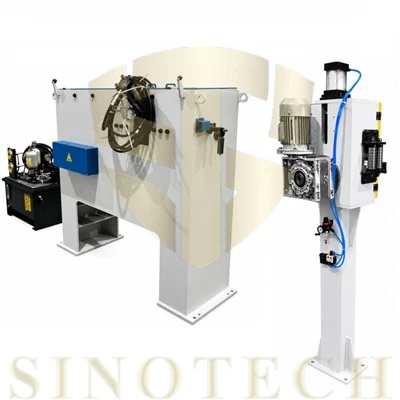
First, let’s split this up because wire processing lines aren’t one-size-fits-all. You’ve got different stages, right? There’s the drawing stage where you pull thick raw wire through tiny dies to make it thinner, the extrusion stage where you slather plastic (or sometimes metal) insulation on it, the bending or cutting stage, and even the coiling or spooling part at the end. Each stage has totally different lube needs—use the same stuff for drawing that you use for bending, and you’ll be replacing dies every week, not every month. Let’s start with the most high-stakes part: wire drawing. That’s where the magic (and the most wear) happens. When you pull raw carbon steel, copper, aluminum, or even stainless steel through a die that’s smaller than a pinhead, you’re cranking up friction like crazy. The metal is literally being stretched molecularly here, so friction generates not just heat but also micro-scratches on the wire surface and massive stress on the die. For drawing, you can’t use a regular oil from your garage. You need something that’s got extreme pressure (EP) additives. I’ve seen guys try to use motor oil once to save a buck—they ended up with a line that broke down 3 times a shift, and we had to replace 12 dies in a week. Proper drawing lube coats both the die and the wire, creates a barrier so the metal doesn’t weld to the die (that’s a big one—welded wire ruins both the wire and the die instantly), and also carries away heat. For copper wire, I usually recommend a water-based synthetic lube, actually. It’s cheaper than straight oil, carries heat way better, and rinses off easier before you coat it. For stainless steel or high-tensile wire, you need a heavier, more viscous oil-based lube with solid EP additives—think sulfurs or phosphorus compounds that stick to the metal surfaces even under that insane drawing pressure. Wait, also, how you apply it matters. You can’t just squirt it on randomly. Most modern lines use a recirculating lube system—filters to keep out metal shavings (those tiny bits will scratch the die and wire) and temperature controls. If your lube gets too hot, it breaks down, loses its ability to coat, and becomes just a thin, watery mess. We always build temperature controls into our lines for this exact reason.
Next up, extrusion. That’s the part where you push insulation (PVC, XLPE, whatever you’re using) over the drawn wire. A lot of people don’t realize how much lube is needed here, and it’s totally different from drawing. In extrusion, the friction is between the wire and the inside of the crosshead, right? The wire is moving through a die, and the molten plastic is pushing against it. You need lube here to stop the plastic from sticking to the wire surface, and also to make sure the wire feeds smoothly through the crosshead without snagging, which would cause uneven insulation thickness. For this, I like to use a dry film lubricant, not a wet oil or grease. Wait, why? Because wet lube would get all over the plastic insulation, cause adhesion issues, or leave spots that ruin the product. Dry film lube—usually something like a molybdenum disulfide or a PTFE-based spray—gets a really thin, even coating on the wire before it hits the crosshead. It’s invisible once it’s cured, doesn’t contaminate the insulation, and cuts down friction so the wire runs straight. We also add automatic spray nozzles to our lines for this stage—you don’t want a guy having to manually spray every 10 minutes, that’s inconsistent and people forget. If you skip this lube, you’ll end up with lumpy insulation, or even runs where the insulation peels off later. I’ve had a customer do that once—they skipped the wire pre-lube in extrusion, and had to re-inspect every single 10,000 feet of wire for defects, cost them way more than the lube saved.
Then we get to the secondary processing steps: cutting, bending, stripping, coiling. These are lower-stakes than drawing or extrusion, but if you mess up lube here, you get wasted parts, slow line speeds, or even broken wire that clogs the whole line. For cutting and stripping, the blades that slice or strip insulation off the wire need light, clean lubrication. Nothing thick here—you’ll just gunk up the blades. A light synthetic oil or even a dry spray for the stripping blades works best. Why? Because if you get gunk on the blades, they don’t cut clean, you’ll nick the wire conductor, and that’s a defect. For bending, especially for thicker gauge wire or specialty wire like steel core, you need a slightly thicker lube to make sure the bends are smooth, no kinks. Kinky wire is worthless, so anything that stops that is worth it. Also, coiling lines—those big spools that wind the finished wire need lube on the rollers and the tensioners. The tensioners keep the wire from sagging or breaking, so if those are dry, you get uneven tension, which leads to tangles when you’re spooling. Tangled wire is a nightmare to unwind later, trust me.
Wait, there’s a big part I almost missed: compatibility. That’s the mistake I see most often. Mixing lube types. Like, if you use a water-based drawing lube, can you use a dry film extrusion lube on top of it? Yeah, but if you use a heavy oil-based drawing lube and don’t clean it off properly before extrusion, that oil will react with the plastic insulation, cause adhesion issues, or even degrade the plastic over time. That’s why we build in a small cleaning and drying stage between drawing and extrusion in our lines. Not for show—because compatibility matters. Also, if you’re processing specialty wire, like coated wire or wire with built-in connectors, you have to make sure the lube won’t damage the existing coating or the connector pins. We had a customer once processing tin-plated wire and used a lube with high sulfur content—sulfur reacts with tin, causes discoloration and corrosion on the wire. We had to swap the lube for a sulfur-free EP lube, and fixed the problem. That’s the kind of thing that kills a product’s reputation way faster than a line breakdown.
Another thing people overlook: lube maintenance. It’s not enough to just pick the right lube and pour it in. You have to change it, filter it, test it regularly. For drawing lube, metal shavings build up over time, right? Those tiny particles act like sandpaper, wearing out dies and scratching wire. So you need a good filtration system—we use 10-micron filters in our drawing lube loops, because anything smaller doesn’t catch the shavings, anything larger misses the fine grit that scratches. And you can’t just go by a calendar—test the lube’s viscosity and cleanliness every month. If it’s getting too thin (from being contaminated with water or metal shavings) or too thick (from breaking down), change it. If you have a recirculating system, you’ll go through lube way slower than if you’re manually applying, but you still have to maintain it. For dry film lubes, even though they’re solid, you have to make sure the spray nozzles don’t get clogged with dried lube. We add automatic nozzle cleaning cycles to our lines, so they blast a little solvent through the nozzles every hour to keep them clear. I’ve had guys skip that, end up with a line that only sprays lube on half the wire, causing defects.
Wait, also, line speed. That’s a big factor I didn’t think of earlier. If your line is running at 500 feet per minute, way faster than the average line, you need a lube that can keep up. The faster the wire is moving, the less time the lube has to coat the die or the wire surface. So you need a lube that has good adhesion properties, sticks to the metal even at high speeds. And you need to adjust the lube application rate—too little, and it can’t coat; too much, and you’re wasting money, or getting lube on parts you don’t want it on. We design our lines with adjustable lube flow meters for each stage, so you can tweak it based on your line speed and wire type. That’s a huge difference between a generic line and one built for actual production.
Let’s talk about common myths, because there are so many. Myth number one: “More lube = better.” No way. Too much drawing lube will get carried over to the extrusion stage, contaminate the insulation, cause adhesion issues, and even mess up your crosshead. Too much dry lube for bending will leave a powdery mess on the finished wire, which is a defect for a lot of applications. Myth number two: “Any lube works, as long as it’s slippery.” Nope—like I said, sulfur for tin-plated wire is bad, water-based lube for stainless steel drawing is not enough, dry lube for drawing will wear out dies in days. Myth number three: “Maintenance is optional, just top off the lube when it’s low.” Wrong. Old, contaminated lube is worse than no lube at all. It causes more friction, more wear, more defects.
Now, I know a lot of you are asking—how do I pick the right lube for my specific line and wire? Because every line is different, every wire is different. That’s where we come in, actually. When we build a wire processing line for a customer, we don’t just give you a generic “use this lube” list. We work with you to test your wire material, your line speed, your end product specs, and recommend exactly what lube to use for each stage. We also build all the necessary systems—temperature controls, filtration, automatic sprayers, cleaning stages—to make sure that lube is applied correctly, no gaps, no waste. And we even offer ongoing support, so if you switch to a new wire type later, we can adjust the lube settings for you.
Wait, let’s make this concrete. I had a customer last year who was building a line for high-tensile steel wire used in automotive parts. Their old line was breaking down every 3 days, replacing dies every 2 weeks, because they were using generic motor oil for drawing. We swapped their lube system for an oil-based EP lube designed for high-tensile steel, added temperature control and 5-micron filtration, and adjusted the spray rate for their line speed. The result? They went from replacing dies every 2 weeks to every 3 months, line downtime dropped by 70%, and their defect rate on the wire went from 4% to less than 0.5%. That’s the kind of difference proper lubrication makes.
At the end of the day, lubrication on a wire processing line isn’t a tiny afterthought. It’s a core component of line efficiency, product quality, and profitability. Skimp on it, and you’ll pay for it in downtime, wasted materials, and replacement parts. Get it right, and your line runs smoother, faster, with fewer defects, and you’ll make more money.
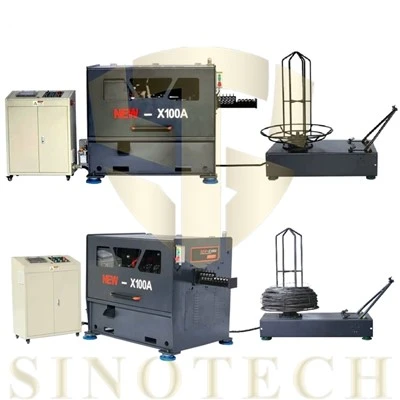
If you’re setting up a new wire processing line, upgrading an old one, or just having issues with lubrication-related downtime, hit us up to chat. We don’t do pushy sales stuff—we’ll listen to your specific needs, walk you through exactly what your line and wire need, and make sure you’ve got the right setup to keep your line running like it should. No guesswork, no generic advice, just real solutions from guys who’ve been in the wire processing game for years.
Mesh Processing Line References:
- Wire Processing: Principles and Applications, Society of Manufacturing Engineers, 2021.
- Lubrication Requirements for Metal Drawing Operations, American Society of Mechanical Engineers, 2019.
- Extrusion Lubrication Best Practices for Wire and Cable Manufacturing, International Wire and Cable Symposium, 2020.
- Maintenance Protocols for Industrial Lubrication Systems, Fluid Power Society, 2022.
Sinotech Fasteners Industry Co., Ltd.
With abundant experience, we are one of the most professional wire processing line manufacturers in China. Please feel free to buy customized wire processing line at competitive price from our factory. Welcome to contact us for quotation.
Address: No. 7, North of Bantang Avenue, Huashan Industrial Park, Chaohu Economic Development Zone, Hefei City, Anhui Province, China
E-mail: ryan@sinotechfasteners.com
WebSite: https://www.sinotech-fasteners.com/
