If you’re a manufacturer working with injection molding, you know that two-piece molds are workhorses. These tools—consisting of a core and cavity that separate to eject finished parts—are how most consumer goods, automotive components, and industrial parts take shape. As a two-piece mold supplier, I talk to dozens of buyers every week who gloss over warranty policies, only to hit costly snags when their mold fails prematurely. A common story? A customer orders a mold from a low-cost provider, skims the fine print on the warranty, and two months later their mold cracks during a production run of 50,000 parts, leaving them on the hook for $15,000 in repairs and lost output. That’s why understanding your two-piece mold’s warranty isn’t just a “nice-to-have”—it’s a core part of protecting your production timeline and budget. Two Piece Mold
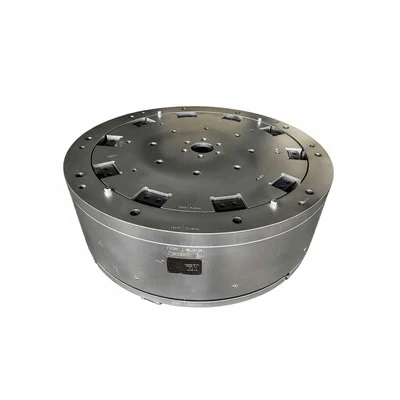
Let’s break down how to navigate these policies, the fine print to watch for, and what a good two-piece mold warranty actually looks like.
First, start with the basics: what a two-piece mold warranty typically covers, and what it doesn’t. Most suppliers frame their warranty around workmanship and material defects, but the definitions of those terms vary wildly. For example, a reputable two-piece mold supplier will warrant that the mold’s core, cavity, and steel components are free of manufacturing flaws (like improper heat treatment or misaligned machining) for a set period—usually 12 to 24 months from the date of shipment, or up to a certain number of production cycles, say 500,000 shots. The catch here is that “workmanship defects” don’t cover wear from normal use. If your mold’s surface starts to show fine scratches after 100,000 shots, that’s considered standard operating wear, not a manufacturing flaw. Cheap overseas suppliers often blur this line: they might advertise a “lifetime warranty” that only covers defects for the first 10,000 shots, then claim any later issues are “normal wear” to avoid covering costs.
As someone who’s been in this industry for 12 years, I’ll tell you the biggest mistake buyers make is not clarifying what counts as a defect vs. wear. Let’s use a real example: last year, a medical device manufacturer reached out to me after their 10,000-shot test mold developed a crack in the core. The supplier they’d used before told them it was “wear from over-stressing the mold,” but when the manufacturer sent over their test reports, it turned out the supplier had used 4140 steel (a softer, lower-grade alloy) instead of the P20 they’d specified. That’s a clear material defect—so under our warranty, we replaced the core for free. The other supplier tried to argue the crack was the manufacturer’s fault for using too much injection pressure, which wasn’t in line with the mold’s design. That’s why you need to build specific definitions into your warranty: what steel grades are required, what pressure and temperature limits the mold is rated for, and exactly which parts are covered.
Next, look at the warranty’s scope for different mold components. Two-piece molds have several key parts, and not all suppliers cover them equally. The core and cavity are the most critical, so a good warranty will cover both for the full term. What about ejector pins? Those small metal rods that push parts out of the mold take a lot of stress, so many suppliers only warranty ejector pins for 6 months—after that, they consider replacement a routine maintenance cost. If you’re producing high-volume parts (100,000+ shots a month), ask if you can extend ejector pin coverage, or if the supplier offers a maintenance package as part of the warranty. Then there’s the mold base: the steel frame that holds the core and cavity. Cheaper suppliers often use lower-grade steel for mold bases, which can warp over time. A solid warranty will cover the mold base for the full term, but some limit it to 6 months, so don’t take that for granted.
Another area that’s often overlooked: what the warranty covers for repairs vs. replacements. Some suppliers will cover labor to fix a defect, but others won’t. For example, if a core warps due to a manufacturing flaw, a good supplier will cover the cost of the new core, and may even cover shipping to and from your facility. A bad supplier will only cover the part, leaving you to pay for labor and freight—costs that can add up to 30% of the total mold price. Also, check if the warranty covers indirect costs, like lost production time. Most won’t, but a few reputable suppliers offer a “production guarantee” that credits you a small amount for every day your mold is down due to a covered defect. That’s a huge benefit for manufacturers with tight deadlines.
Now, what about the fine print that can void your warranty? This is where most customers get burned. Common voids include: not following the supplier’s maintenance guidelines, modifying the mold without approval, using the mold for materials it’s not rated for, or operating it outside of specified temperature and pressure ranges. Let’s go back to that medical device manufacturer I mentioned. They’d modified their mold’s cooling lines without telling their original supplier, which led to uneven cooling and a core crack. The original supplier refused to honor the warranty, saying the modification voided it. That’s a standard clause, so you need to read the maintenance guidelines closely. Most two-piece mold suppliers recommend monthly cleaning, lubricating ejector pins, and inspecting for wear—failing to do that can void coverage. Also, if you’re using abrasive materials (like glass-filled nylon) that are harder on mold surfaces, make sure your warranty accounts for that. Abrasive materials increase wear, so a supplier might void your warranty if you don’t use the recommended surface coatings for abrasive runs.
Then there’s the issue of cycle-based vs. time-based warranties. Some suppliers offer a warranty that lasts for a number of production cycles (e.g., 500,000 shots) regardless of time, while others use a time limit (18 months). Which is better? It depends on your production volume. If you run 50,000 shots a month, a time-based warranty of 18 months is the same as 900,000 shots—way longer than a 500,000-cycle warranty. But if you only run 10,000 shots a month, a 12-month time-based warranty covers 120,000 shots, while a 500,000-cycle warranty will cover you for 42 months. That’s why you need to match the warranty structure to your production schedule. As a two-piece mold supplier, we offer both options, but we always advise buyers to pick the cycle-based one if they’re ramping up production quickly, and the time-based one if their output is more consistent but slower.
Another key point: post-warranty support. A lot of buyers only think about the warranty period, but what happens after that? The best two-piece mold suppliers will offer discounted repair services, spare parts, and even mold design tweaks after the warranty expires. That’s a big advantage over low-cost suppliers who disappear after the sale. A few years ago, a customer came to us with a mold that was 3 years old, out of warranty, but had a minor wear issue with its cooling lines. We fixed it for half the cost of a new mold, and even adjusted the cooling design to improve part quality. The other supplier they’d used wouldn’t even return their call. That’s why when evaluating a warranty, look beyond the term—ask about post-warranty support, spare part availability, and design assistance.
Let’s also talk about red flags to watch for in a two-piece mold warranty. If a supplier says “lifetime warranty” without defining what lifetime means, that’s a warning. It usually means the warranty only covers the first few thousand shots, and after that, they’ll say it’s “lifetime of the mold” but refuse to cover any costs. Another red flag is a warranty that only covers defects if you return the mold to their facility for inspection. Some suppliers use that as a way to delay or deny claims, saying the mold wasn’t handled properly in transit. A good warranty will let you inspect the defect locally, or cover the cost of a third-party inspector. Also, be wary of suppliers who won’t put the warranty terms in writing. A verbal promise of a 24-month warranty is worthless if they change their mind later—always get it in your contract.
Now, how to make the most of your two-piece mold warranty. First, document everything. When you receive the mold, do a full inspection and take photos of all components. Keep records of your production runs, maintenance checks, and any repairs. If something goes wrong, having that documentation will make it easy to prove a defect. Second, follow the maintenance guidelines exactly. If your supplier says to lubricate ejector pins every 2 weeks, do it. If they recommend using a certain cleaning solution, use it. Skipping steps not only risks your mold’s performance, but can void your warranty. Third, communicate with your supplier regularly. If you’re noticing early signs of wear (like surface scratches or slightly uneven part ejection), tell them. A good supplier can help you adjust your production settings or schedule a repair before the issue becomes a major failure.
As a two-piece mold supplier, I’ve seen how a clear warranty can save a manufacturer thousands of dollars in unexpected costs. Last quarter, a customer of ours had a core defect 10 months into their production run. We replaced the core for free, covered the shipping, and even scheduled a technician to come on-site to inspect their mold and train their team on maintenance. That cost us $8,000, but it built a long-term relationship—they’ve since ordered two more molds from us. On the flip side, a buyer who cut corners on warranty coverage lost $20,000 when their mold failed, and went to a competitor for their next order.
If you’re in the market for a two-piece mold, don’t just shop by price. The warranty is a critical part of the mold’s value. A mold that costs $10,000 with a 24-month full-coverage warranty is better than a mold that costs $7,000 with a 6-month limited warranty, especially if you’re producing high-volume parts. Take the time to read the fine print, clarify definitions of defects, and ask about post-warranty support.

At the end of the day, a two-piece mold is a long-term investment. The right warranty protects that investment, keeps your production running smoothly, and gives you peace of mind. If you’re ready to discuss two-piece mold options and warranty terms tailored to your production needs, feel free to reach out to our team to start a conversation. We’re here to answer your questions, break down our warranty policy, and help you make the best choice for your manufacturing business.
Special Structure Mold References
Injection Molding Technology: A Practical Guide (Third Edition)
Society of the Plastics Industry. Mold Warranty Best Practices for Manufacturing Facilities. 2022.
Plastics Technology Magazine. Understanding Mold Warranty Fine Print. 2021.
ISO 10993-1: Biological Evaluation of Medical Devices – Part 1: Evaluation and Testing. 2018.
Anhui Varon Mould Co., Ltd.
We are one of the most professional two piece mold manufacturers and suppliers in China, also support customized service. We warmly welcome you to wholesale premium two piece mold made in China here from our factory. If you have any enquiry about cooperation, please feel free to email us.
Address: Anhui Province, Ningguo City, Economic and Technological Development Zone, Heli Industrial Park, Dongcheng Avenue
E-mail: admin@varonmould.com.cn
WebSite: https://www.wanlongmold.com/
