If you’ve ever walked a construction site, a mining operation, or a lumber yard, you’ve seen wheel loaders at work—their big, bucketed arms moving mountains of gravel, loading trucks in minutes, and handling tasks that would take a dozen workers all day. For years, I heard a common refrain from site managers, construction superintendents, and even forestry operators: “A wheel loader’s great, but it’s not made for my job.” As a wheel loader supplier, I’ve spent the last 12 years talking to these operators, and the question I get more than any other is: Can a wheel loader be customized? Wheel Loaders

The short answer is yes—but it’s not just bolting a random attachment on and calling it a day. Customizing a wheel loader means matching every part of the machine to exactly what your site needs, from the size of the bucket to the type of tires, the cabin controls, and even the engine settings. And over the years, I’ve seen first-hand how this isn’t just a luxury for big mining companies; it’s a game-changer for small landscaping crews, urban construction teams, and everyone in between.
Let’s start with the bucket, because that’s the part most people think of when they imagine a wheel loader. A standard 3-yard bucket works fine for general gravel, but what if you’re working in a quarry where you’re moving jagged, heavy rock that wears out standard edges fast? We’ve built loaders with reinforced, hardened-steel buckets that have serrated edges—they don’t dull as quickly, so you don’t have to replace them every month. Or if you’re a recycling yard sorting cardboard, plastic, and metal, a wide, shallow bucket (sometimes called a “light material bucket”) lets you load more loose, bulky stuff in one pass, cutting down on cycle time by 30% for some operators. I remember a customer last year who ran a municipal recycling center; he was using a standard bucket and getting only 2 tons per load. We customized a 5-yard light material bucket, and he was loading 3.2 tons per trip, which meant he finished his daily run two hours early and saved on fuel too. That’s the kind of win customization delivers.
Tires are another big piece of the puzzle. A standard rubber tire works on paved roads and soft dirt, but if you’re working on a construction site with deep mud, loose gravel, or sharp debris, you need a tire that can handle that. We offer custom tire packages: for muddy farm or construction sites, we fit deep-tread “agricultural” tires that grip without getting stuck. For mining or demolition sites with sharp rock or metal, solid rubber tires (the kind that don’t puncture) mean you never have to pause work to fix a flat—we’ve had a customer in demolition who went 18 months without a tire change after we switched his tires from standard rubber to solid. Even tire size is customizable; smaller tires give more power for tight, crowded urban sites, while larger tires smooth out rough terrain for mining operations.
The cabin is where operators spend 90% of their day, and customizing that makes a huge difference for safety and efficiency. Standard cabins have basic controls, but we can adjust everything: ergonomic seat positions for operators with bad backs, which cuts down on fatigue after 12-hour shifts. For operators who wear hearing protection or work in noisy sites, we add extra insulation to the cabin, reducing noise levels by 15 decibels—no more straining to hear your team or the backup beepers. We’ve even added custom monitor screens for customers who run multiple attachments; the screen switches between bucket load data, fork positioning, and snow blower controls with the touch of a button, so operators don’t have to fumble with extra knobs. Last winter, a snow removal contractor told us his operators were making more mistakes because of cramped cabins with controls that were hard to reach. We customized the cabin layout, and he reported a 40% drop in small accidents that winter.
Engine and hydraulics are the core of the machine, and customizing those is where we really tailor a loader to its job. Standard engines are built for general use, but if you’re working in a cold climate like northern Canada, you can get a custom engine block heater that kicks in automatically when temperatures drop below freezing—no more waiting 20 minutes for the engine to start on a -20°F morning. For construction sites that need to meet strict local emissions rules, we can adjust the engine’s exhaust system to meet Tier 4 Final standards without sacrificing power. Hydraulics are even more flexible: if you need to lift extremely heavy loads (like steel beams for high-rise construction), we can upgrade the hydraulic pump to handle 20% more pressure, so the arm lifts 10 tons instead of the standard 7. Or if you’re using multiple attachments (forks, grapples, snow blowers), we add a separate hydraulic circuit so you can switch between them without stopping to adjust hoses.
I know what some people are thinking: “Customized loaders must cost a fortune, right?” The short answer is no—actually, in many cases, it saves you money in the long run. A standard loader might work, but if it’s not right for your job, you’ll waste fuel running it harder than needed, spend money replacing parts that wear out too fast, and lose time on inefficient work cycles. We did a cost comparison a few years ago with a small landscaping company that was renting a standard wheel loader for $800 a week. They came to us, had a loader customized with a light material bucket and narrow tires for tight residential lots, and bought it for $12,000 more than a standard model. Within 18 months, they’d paid that extra cost back in reduced rental fees, less fuel use, and no more downtime from renting the wrong machine for different jobs.
Of course, customization isn’t one-size-fits-all, and there are common myths I hear all the time. One myth is that custom loaders are only for huge companies. Last year, we worked with a small excavation company with just three employees; their biggest job was digging foundations for new homes, so we customized a 2-yard bucket, narrow tires to fit down residential streets, and a cabin with extra storage for their tools. They told us that without customization, they’d have to turn down jobs on narrow streets because standard loaders were too wide. Another myth is that customization takes forever, but we’ve streamlined the process over the years—usually, a custom loader is built and delivered in 4-6 weeks, not months, so you don’t have to wait long to get a machine that works for you.
When we talk to customers about customization, we always start with their specific pain points. We don’t just sell a loader; we ask questions: What’s the terrain like on your site? What’s the heaviest thing you load in a day? Do you work in extreme temperatures? Do you need to switch between multiple attachments? Those answers help us build a loader that doesn’t just do the job—it does it better.
I’ll never forget a customer who ran a lumber yard in the Pacific Northwest. He was using a standard wheel loader to move logs, and the bucket was constantly getting stuck on uneven ground, which meant he was dropping logs and wasting time. We customized a bucket with a wider, curved edge to wrap around logs, and added articulating tires that adjust to uneven terrain. Within a month, he was moving 50 more logs a day, and his downtime dropped by 25%. That’s the kind of impact customization has—it’s not just about making a machine fit; it’s about making your work easier, safer, and more profitable.
At the end of the day, a wheel loader is only as good as how well it works for you. Standard machines work for general tasks, but when your job has specific needs—whether that’s a narrow space, tough terrain, or unique materials—customization is the answer. It’s not a fancy extra; it’s a way to get more done, spend less money, and keep your team happy.
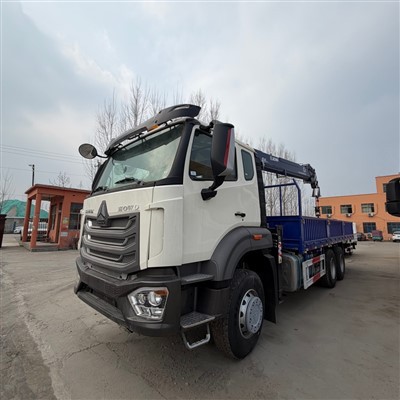
If you’re tired of a one-size-fits-all wheel loader that doesn’t quite fit your work, we can help. We work with operators of all sizes, from small businesses to large corporations, to build wheel loaders tailored exactly to your site and your needs. Get in touch to start the conversation about what you need, and we’ll walk through the customization options that will make your work better.
Excavator References
Wheel Loaders: Customization for Modern Construction Sites, 2023, Construction Equipment Association
Ergonomics and Operator Performance in Heavy Machinery, 2022, Journal of Occupational and Environmental Hygiene
Material Handling Efficiency: The Impact of Customized Attachment Systems, 2021, International Journal of Industrial Ergonomics
Tier 4 Emissions Standards and Wheel Loader Customization, 2022, Equipment Manufacturers Association
Tire Selection for Off-Highway Wheel Loaders, 2020, Tire Technology International
Shandong Xinyang Special Purpose Vehicle Manufacturing Co., Ltd.
As one of the most professional wheel loaders manufacturers and suppliers in China, we’re featured by quality products and good price. Please rest assured to buy cheap wheel loaders made in China here from our factory. Contact us for more details.
Address: Quanpu Industrial Park, Liangshan County, Jining City, Shandong Province.
E-mail: ensonzhouau@gmail.com
WebSite: https://www.trustmytruck.com/
