Hey there! As a supplier in the water cooled systems game, I’ve seen firsthand how corrosion can be a real headache. It’s not just about a little bit of rust here and there; it can seriously mess up the performance and lifespan of your water cooled systems. So, in this blog, I’m gonna share some tips on how to prevent corrosion in these systems. Water Cooled
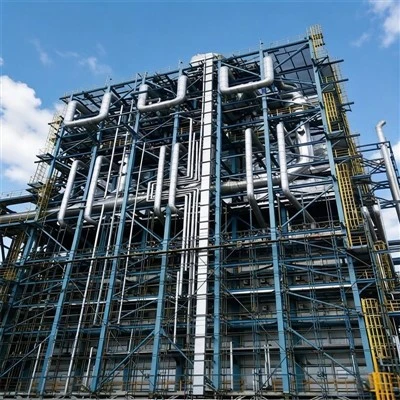
Understand the Basics of Corrosion in Water Cooled Systems
First off, let’s talk about what causes corrosion in water cooled systems. Corrosion is basically a chemical reaction between the metal components of the system and the water that flows through it. There are a few factors that can speed up this reaction.
One big factor is the quality of the water. If the water has a high level of dissolved minerals, like calcium and magnesium, it can form a hard scale on the metal surfaces. This scale can then trap oxygen and other corrosive substances against the metal, promoting corrosion. Acidity or alkalinity of the water also plays a role. Water that’s too acidic or too alkaline can eat away at the metal.
Another factor is the presence of oxygen. Oxygen in the water can react with the metal to form metal oxides, which is basically rust. And if there are different types of metals in the system, a process called galvanic corrosion can occur. This happens when two different metals are in contact with each other in the presence of an electrolyte (like water), and one metal corrodes faster than the other.
Choose the Right Materials
One of the best ways to prevent corrosion is to choose the right materials for your water cooled system. Not all metals are created equal when it comes to corrosion resistance.
Stainless steel is a great choice. It contains chromium, which forms a thin, protective layer on the surface of the metal. This layer helps prevent oxygen and other corrosive substances from reaching the metal underneath. Copper is also a popular choice. It has good thermal conductivity and is relatively resistant to corrosion. However, it can be affected by certain chemicals in the water, so you need to be careful.
When it comes to non – metal materials, plastics and composites can be used in some parts of the system. They’re generally resistant to corrosion and can help reduce the risk of galvanic corrosion when used in combination with metals.
Treat the Water
Water treatment is crucial for preventing corrosion. There are a few different ways to treat the water in your system.
Filtration: First, you should filter the water to remove any solid particles. These particles can scratch the metal surfaces, making them more vulnerable to corrosion. You can use different types of filters, like sediment filters and activated carbon filters, depending on the quality of the water.
pH Adjustment: As I mentioned earlier, the pH of the water can affect corrosion. You want to keep the pH of the water in a range where the metal is most resistant to corrosion. For most metals, a slightly alkaline pH (around 7.5 – 8.5) is ideal. You can use chemicals like sodium hydroxide or sulfuric acid to adjust the pH, but you need to be careful not to overdo it.
Corrosion Inhibitors: Adding corrosion inhibitors to the water is a common way to prevent corrosion. These inhibitors work by forming a protective layer on the metal surface, which helps prevent the corrosive substances from reaching the metal. There are different types of corrosion inhibitors available, like nitrites, phosphates, and silicates. You need to choose the right inhibitor based on the type of metal in your system and the quality of the water.
Maintain Proper Flow and Temperature
The flow and temperature of the water in the system also play a role in preventing corrosion.
Flow Rate: You need to make sure that the water is flowing through the system at an appropriate rate. If the flow rate is too low, the water can become stagnant, and this can lead to the buildup of oxygen and other corrosive substances. On the other hand, if the flow rate is too high, it can cause erosion of the metal surfaces. So, you need to find the right balance.
Temperature: High temperatures can speed up the corrosion process. You want to keep the temperature of the water in the system within a reasonable range. If the system is running too hot, you can use a heat exchanger to cool the water down.
Regular Inspections and Maintenance
Regular inspections and maintenance are essential for preventing corrosion in water cooled systems.
Inspections: You should inspect the system regularly for signs of corrosion, such as rust, pitting, or discoloration of the metal surfaces. Check the pipes, valves, and other components for any signs of damage. If you notice any problems, you should address them as soon as possible.
Cleaning: Cleaning the system regularly can help remove any scale, dirt, or other deposits that can promote corrosion. You can use chemical cleaners or mechanical methods, like brushing or flushing, to clean the system.
Component Replacement: Over time, some components of the system may become corroded beyond repair. You need to replace these components promptly to prevent further damage to the system.
Training and Education
Make sure that the people who operate and maintain the water cooled system are properly trained. They should know how to monitor the water quality, adjust the system settings, and perform basic maintenance tasks. By having well – trained staff, you can ensure that the system is operating correctly and that any potential corrosion problems are addressed early.
Conclusion
Preventing corrosion in water cooled systems is not a one – time task. It requires a combination of choosing the right materials, treating the water, maintaining proper flow and temperature, conducting regular inspections and maintenance, and providing training to the operators. By following these tips, you can extend the lifespan of your water cooled system, improve its performance, and save money in the long run.
Heating Furnace If you’re interested in learning more about our water cooled systems or need help in preventing corrosion in your existing systems, don’t hesitate to reach out. We’re here to offer you the best solutions and support. Let’s have a chat and see how we can work together to keep your systems running smoothly.
References
- Jones, D. A. (1992). Principles and Prevention of Corrosion. Macmillan Publishing Company.
- Revie, R. W. (Ed.). (2011). Uhlig’s Corrosion Handbook. Wiley.
Jiangsu Dongfang Whole-Set Equipment Manufacturing Group Co., Ltd.
We are one of the most professional water cooled manufacturers and suppliers in China, also support customized service. With abundant experience, we warmly welcome you to buy durable water cooled from our factory. If you have any enquiry about pricelist, please feel free to email us.
Address: No. 9, Industrial Park, Xinqiao Town, Jingjiang City, Jiangsu Province
E-mail: dfctwm@163.com
WebSite: https://www.dongfangequip.com/
