In the realm of modern machining, CNC thread milling has emerged as a highly efficient and precise method for creating threads in a variety of materials. As a seasoned CNC thread milling supplier, I understand the critical importance of selecting the appropriate machine for this task. The right machine not only enhances productivity but also ensures the quality and accuracy of the threads produced. In this blog post, I will share my insights on how to select the appropriate machine for CNC thread milling. CNC Thread Milling

Understanding Your Requirements
The first step in selecting a CNC thread milling machine is to understand your specific requirements. This involves considering several factors, including the type of threads you need to mill, the materials you will be working with, the production volume, and the level of precision required.
- Thread Types: Different applications may require different types of threads, such as metric, imperial, or special threads. Make sure the machine you choose can handle the specific thread types you need. Some machines are designed to mill a wide range of thread profiles, while others are more specialized.
- Materials: The materials you work with can significantly impact the choice of machine. Harder materials, such as stainless steel or titanium, require machines with more power and rigidity to ensure efficient cutting and prevent tool wear. Softer materials, on the other hand, may allow for the use of less powerful machines.
- Production Volume: If you have high production volumes, you may need a machine that can operate continuously and efficiently. Look for machines with features such as automatic tool changers and high-speed spindles to increase productivity. For low-volume or prototype work, a more basic machine may be sufficient.
- Precision Requirements: The level of precision required for your threads will also influence your machine selection. Some applications, such as aerospace or medical components, demand extremely high precision. In these cases, you may need a machine with advanced control systems and high-resolution encoders to ensure accurate thread milling.
Machine Features and Capabilities
Once you have a clear understanding of your requirements, it’s time to evaluate the features and capabilities of different CNC thread milling machines. Here are some key features to consider:
- Spindle Speed and Power: The spindle speed and power of the machine determine its cutting ability. Higher spindle speeds allow for faster cutting, which can increase productivity. However, you also need to ensure that the machine has enough power to handle the cutting forces generated when milling threads in different materials.
- Axis Configuration: Most CNC thread milling machines have at least three axes (X, Y, and Z), but some may have additional axes for more complex machining operations. Consider the complexity of the threads you need to mill and choose a machine with the appropriate axis configuration. For example, if you need to mill helical threads, a machine with a fourth axis (A-axis) may be required.
- Tool Changer: An automatic tool changer can significantly improve productivity by reducing the time spent on tool changes. Look for a machine with a tool changer that can hold a sufficient number of tools to meet your machining needs.
- Control System: The control system is the brain of the CNC machine. A user-friendly and reliable control system can make programming and operating the machine much easier. Look for machines with advanced control systems that support features such as conversational programming, tool path simulation, and real-time monitoring.
- Build Quality and Rigidity: The build quality and rigidity of the machine are crucial for ensuring accurate and consistent thread milling. A machine with a solid frame and high-quality components will be more stable and less prone to vibrations, which can affect the quality of the threads.
Machine Size and Footprint
Another important factor to consider is the size and footprint of the machine. You need to ensure that the machine will fit into your workshop or production facility. Consider the available space, as well as any future expansion plans. Additionally, a smaller machine may be more suitable for smaller workshops or for applications where space is limited. However, keep in mind that smaller machines may have limitations in terms of the size of the workpieces they can handle.
Cost and Return on Investment
Cost is always a significant consideration when purchasing a CNC thread milling machine. However, it’s important to look beyond the initial purchase price and consider the long-term return on investment (ROI). A more expensive machine may offer better performance, higher productivity, and lower operating costs in the long run.
- Initial Purchase Price: Compare the prices of different machines from various manufacturers. However, don’t just choose the cheapest option. Consider the features, capabilities, and build quality of the machine to ensure that you are getting value for your money.
- Operating Costs: In addition to the purchase price, you need to consider the operating costs of the machine, such as energy consumption, tooling costs, and maintenance expenses. Look for machines that are energy-efficient and use cost-effective tooling.
- Productivity and ROI: A more productive machine can help you increase your production volume and reduce your manufacturing costs. Calculate the potential ROI of the machine based on your expected production volume and the savings in labor and material costs.
Manufacturer Reputation and Support
When purchasing a CNC thread milling machine, it’s important to choose a reputable manufacturer that offers good customer support. A reliable manufacturer will provide you with high-quality machines, technical assistance, and after-sales service.
- Reputation: Research the manufacturer’s reputation in the industry. Look for reviews and testimonials from other customers to get an idea of their experience with the manufacturer’s products and services.
- Technical Support: Make sure the manufacturer offers comprehensive technical support. This includes assistance with machine installation, programming, and troubleshooting. A manufacturer with a responsive technical support team can help you minimize downtime and keep your production running smoothly.
- After-Sales Service: A good manufacturer will also provide after-sales service, such as maintenance and repair. Look for a manufacturer that offers a warranty on their machines and has a network of service centers in your area.
Conclusion
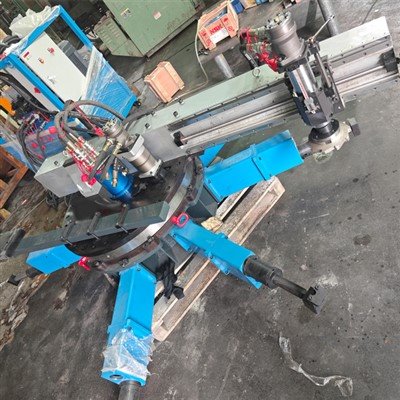
Selecting the appropriate machine for CNC thread milling is a critical decision that can have a significant impact on your productivity, quality, and bottom line. By understanding your requirements, evaluating the machine’s features and capabilities, considering the size and cost, and choosing a reputable manufacturer, you can make an informed decision and select the machine that best suits your needs.
Line Boring Accessories If you are in the market for a CNC thread milling machine, I encourage you to get in touch with us. As a trusted CNC thread milling supplier, we have a wide range of machines to choose from, and our experienced team can help you find the perfect solution for your application. Contact us today to start discussing your CNC thread milling needs and take your production to the next level.
References
- "CNC Machining Handbook" by Carl A. Zanger.
- "Modern Machining Technology" by Peter H. Axinte.
- Industry publications and technical articles on CNC thread milling.
Shangqiu JDA Machinery Technology Co., Ltd.
With abundant experience, we are one of the most professional cnc thread milling manufacturers and suppliers in China. We warmly welcome you to buy cheap cnc thread milling for sale here from our factory. Quality products and reasonable price are available.
Address: No. 55 Pingyuan Middle Road, Liangyuan District, Shangqiu, Henan, China
E-mail: sales@jdamachines.com
WebSite: https://www.jdamachines.com/
