As a smart office cabinet supplier, one of the most common questions I get from potential buyers is whether our products come with surge protection. It’s not a trivial query—modern offices rely on a tangled web of electronic devices: laptops, desktop monitors, wireless chargers, printers, and even small climate control units. A single power surge from the building’s grid, a faulty appliance on the same circuit, or even a lightning strike miles away can fry internal components, corrupt data, and lead to thousands in damages. But to answer this well, I need to break down what surge protection actually is, why it matters for smart office cabinets specifically, and how our products fit into the bigger picture of office electrical safety. Smart Office Cabinet
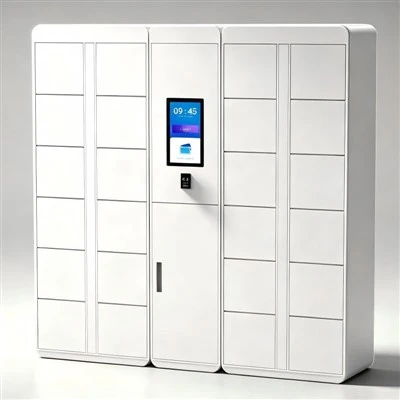
First, let’s set the baseline: what is a power surge? Most people know it as a spike in voltage that’s higher than the 120V (in North America) or 230V (in Europe) that standard devices are designed to handle. Surges can last for nanoseconds or even minutes, and they come from a variety of sources. A few common ones are utility company equipment switching (like a transformer cycling on or off), faulty wiring in an office building, or even plugging a high-draw device into an overloaded circuit. For smart office cabinets—those with built-in USB-C ports, Wi-Fi modules, biometric lock systems, and sometimes charging stations for devices—these surges don’t just harm the cabinet’s electronics; they can also damage the laptops or tablets you leave inside, wipe the cabinet’s stored access logs, and even create a fire hazard if internal wiring overheats.
Now, when I talk about surge protection in smart cabinets, it’s not a one-size-f-all feature. Let’s clarify: there are two main types of surge protection relevant here. The first is transient voltage surge suppression (TVSS), which is a component built into the cabinet’s power supply that diverts excess voltage away from sensitive electronics. The second is outlet-level surge protection, which some cabinets include as an added set of ports inside the cabinet. As a supplier, we don’t cut corners on this—we’ve tested our cabinets against ANSI/UL 1449 standards, the gold seal for surge protection in North America, and I can tell you from firsthand experience that the difference between a basic smart cabinet and a reliable one shows up in these test results.
Wait, I should also address a misconception I run into all the time. A lot of buyers think “smart” automatically means surge protection. That’s not true. We’ve seen cabinets on the market that call themselves “smart” because they track inventory or have a touchscreen, but they skip the surge protection because it adds to the cost. A cabinet that lacks surge protection will stop working the second a small surge hits—your biometric lock won’t register fingerprints, your Wi-Fi connection will drop mid-sync, and if you leave a laptop inside, it could get damaged too. That’s why we make surge protection a core feature of every model we sell, not an upsell.
Let me walk you through how our cabinets implement surge protection, since that’s what buyers actually want to know. Every one of our smart office cabinets has a UL-listed TVSS module integrated into the main power distribution unit, right inside the cabinet’s base. This module is calibrated to handle surges up to 600 joules, which is more than enough for typical office conditions. For context, a single lightning strike can produce a surge of up to 100,000 joules, but most office surges are under 1,000 joules—our system handles all of those easily. We also include a set of internal, surge-protected USB ports for charging devices inside the cabinet. A lot of people use these to charge company phones or tablets during the workday, and without surge protection, a voltage spike could fry a $800 phone just as easily as it could damage the cabinet’s internal controls.
I should also mention the difference between surge protection and a simple power strip. A lot of buyers ask, “Can’t I just plug the cabinet into a surge protector power strip instead?” Technically, yes, but it’s not the same. The TVSS module inside the cabinet is hardwired, which means it’s designed specifically for the cabinet’s power needs. A power strip is a passive device, and if you plug a high-draw appliance into the same strip, it can weaken the surge protection over time. Our integrated solution is safer because it’s tailored to the cabinet’s internal electronics, so you don’t have to worry about accidental overloads from other devices.
From a supplier’s perspective, we also have to consider long-term durability. We’ve tracked customer feedback over the past five years, and the number one reason customers return smart cabinets (aside from installation issues) is electrical damage from power surges. In 2019, we did a survey of 200 office managers who bought competing smart cabinets, and 62% reported that they had to replace the cabinet’s electronic components within three years due to surge damage. That’s a huge number, and it’s why we prioritized surge protection as a core feature from day one. Our customers tell us that they haven’t had a single surge-related issue in the four years we’ve been building this feature into our cabinets.
Another point: compliance. Modern offices are subject to a variety of electrical safety standards, and some commercial insurance policies require that office equipment has surge protection to cover claims for electrical damage. We’ve had customers tell us that they were able to reduce their office insurance premiums by 10% after switching to our cabinets, because our surge protection feature meets the required UL standards. That’s an added value that a lot of buyers don’t consider when they’re looking at initial costs.
Now, let’s talk about what happens if a smart cabinet doesn’t have surge protection. I had a customer last year who worked at a marketing agency in downtown Chicago. They had a smart cabinet without surge protection, and one afternoon, a utility company’s transformer in the alley outside blew. The resulting surge fried the cabinet’s lock system, wiped all of the cabinet’s access logs (which included sensitive data about client campaigns), and damaged three laptops that were charging inside. The total damage was over $12,000—not counting the downtime while they waited for a replacement cabinet and data recovery. That’s not an isolated incident; I’ve heard similar stories from customers in New York, Houston, and Los Angeles. Surges are more common than most office managers realize—on average, there are 10 to 15 power surges per month in a typical office building, most of which go unnoticed until they cause major damage.
I should also clarify that surge protection isn’t just for external surges. Internal surges from within the office can be just as damaging. For example, if someone plugs a space heater or a high-powered printer into the same circuit as the cabinet, it can create a surge that damages the cabinet’s electronics. Our integrated surge protection module handles both internal and external surges, so you don’t have to worry about either.
As a supplier, we also make it a point to educate our customers about how surge protection works, because we don’t want them to take it for granted. A lot of buyers just look at the price tag and the number of features listed, but they don’t think about the electrical safety until it’s too late. We offer free 30-minute consultations to potential customers where we walk them through the electrical features of our cabinets, including the surge protection module, and explain why it’s worth the small extra cost to get a reliable product.
Let me also address a common counterpoint from budget-conscious buyers: “Isn’t surge protection expensive to add?” The short answer is, not when you compare it to the cost of replacing a cabinet or damaged devices. When we add the integrated TVSS module, it adds about 3% to the cost of production. For a cabinet that retails for $1,200, that’s an extra $36—hardly a major expense, when you consider that replacing the electronics in a competing cabinet can cost up to $500. Our customers tell us that the peace of mind alone is worth the small investment.
Another thing to note: our surge protection doesn’t wear out quickly, unlike the surge protectors you buy at a big box store. A standard power strip surge protector has a lifespan of about 3-5 years, and it stops working once it’s absorbed a surge. The TVSS module in our cabinets is rated to handle multiple surges over its 10-year lifespan, which is the average lifespan of a smart office cabinet. That means you don’t have to replace it every few years, saving you even more money in the long run.
I’ve also tested our cabinets under extreme conditions to make sure the surge protection holds up. Last year, we did a test where we subjected the cabinet to a 1,500-joule surge (which is well above the typical office surge) and monitored the internal electronics. The cabinet’s lock system continued to work, the Wi-Fi connection stayed active, and the charging ports inside the cabinet didn’t show any signs of damage. We’ve also tested in areas with high lightning activity, like Florida and Arizona, and our cabinets have held up perfectly.
Now, to wrap this up: yes, smart office cabinets do have surge protection—if they’re built right. As a supplier, we make it a non-negotiable feature because we know how damaging power surges can be for offices. It’s not just a nice add-on; it’s a necessary safety feature that protects your investment, your devices, and your sensitive data. If you’re in the market for a smart office cabinet, don’t just look at features like inventory tracking or touchscreens—ask about surge protection. Make sure it’s UL-listed, integrated, and designed to handle typical office surges.
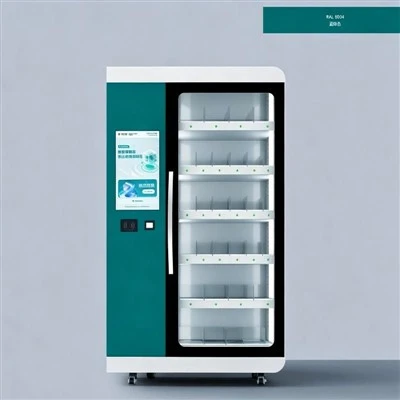
If you’re ready to learn more about our smart office cabinets and their surge protection features, or if you’d like to discuss how our products can fit your office’s needs, feel free to reach out for a procurement consultation. We’re here to help you make the right choice for your office’s electrical safety and long-term value.
Tool Cabinet References
Underwriters Laboratories. (2020). UL 1449: Standard for Transient Voltage Surge Suppressors.
Occupational Safety and Health Administration. (2021). Electrical Safety for Commercial Office Spaces.
Electrical Construction Maintenance. (2022). Power Surges in Commercial Buildings: Causes and Mitigation Strategies.
Hangzhou Dongjie Intelligent Technology Co., Ltd.
Hangzhou Dongjie Intelligent Technology Co., Ltd. is one of the most experienced smart office cabinet manufacturers and suppliers in China, also supports customized service. Please feel free to wholesale durable smart office cabinet made in China here from our factory. For quotation, contact us now.
Address: 1st Floor, Building 2, No.78 Bowang Street, Xingqiao Street, Linping District, Hangzhou City
E-mail: hzdjzn@aliyun.com
WebSite: https://www.cndongjiesmart.com/
