Hey everyone! If you’ve ever stopped to think about the feed bags that come with the cattle feed, poultry mash, or hay pellets you grab for your farm animals, you’re probably not alone. A lot of us livestock folks focus all our energy on the animals—making sure they eat right, stay healthy, and grow well—without giving much thought to those big, bulky bags they come in. But as someone who’s been a livestock feed bags supplier for over 8 years, I’ve seen firsthand how these simple packages can make a huge impact on the environment. Let’s break this down, no fancy science jargon, just real talk about what’s going on out there. Livestock Feed Bags
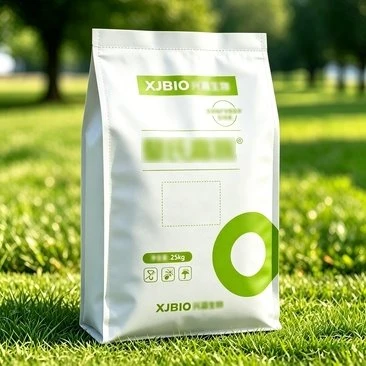
First off, let’s get one thing straight: livestock feed isn’t like the cereal you buy for your family. We’re talking about tons of feed being shipped across states, sometimes even countries, every week. Those bags have to hold up to that. They can’t tear open mid-shipment in the rain, they need to keep bugs and rodents out, and they have to protect the feed from moisture so it doesn’t go bad. So most of them are made from either woven polypropylene (that’s the plastic stuff) or sometimes a mix of plastic and paper. That makes sense for the job, but here’s where the problem starts. Let’s talk about plastic first, since that’s the most common.
Woven polypropylene bags are super durable—they can hold 50, 100, even 2,000 pounds of feed, which is why they’re the go-to for most bulk operations. But plastic doesn’t biodegrade, right? It breaks down into tiny microplastics over time, and those little pieces don’t just disappear. A lot of these bags end up in landfills, and depending on where you are, not all of them get recycled. I’ve heard from farmers in the Midwest that some local recycling centers won’t take feed bags because they’re too dirty—they have feed residue stuck in them, which makes recycling tricky. And even when they do get recycled, not all plastic can be turned back into feed bags; a lot of it becomes things like park benches or clothing, which might still end up in a landfill eventually.
Wait, but it’s not just landfills. Those microplastics from old feed bags can get into soil, right? If a bag blows off a farm or a recycling truck and sits in a field, over time it breaks down. Then when it rains, those tiny plastic particles wash into creeks, rivers, and even groundwater. I remember a few years back, a local environmental group did a test on a farm that had been using plastic feed bags for decades, and they found microplastics in the hay they were growing. That hay went to feed cows, so those microplastics were entering the food chain too. Yeah, that’s a big one—we don’t want stuff that hurts our animals, which in turn hurts us.
But let’s not paint all plastic feed bags with the same brush. Some newer ones are made with recycled plastic, right? And a lot of farmers are reusing them! I’ve had customers who use empty feed bags to line grain bins, carry tools, even make temporary fences for pastures. That cuts down on how many new bags they need to buy, so less plastic is being made in the first place. It’s not a perfect solution, but it’s a start.
Now, what about paper feed bags? I know some small-scale farmers swear by them. They’re lighter, they biodegrade way faster than plastic, and they’re usually easier to recycle. But paper has its own issues. To make paper bags strong enough to hold heavy feed, they need to be treated with chemicals, or they have a plastic coating to keep moisture out. That’s called laminated paper, and it’s way harder to recycle because you can’t separate the paper from the plastic layer. Also, paper uses a lot of trees. For every ton of feed, a paper bag uses way more raw materials than a plastic one. When you’re shipping thousands of tons of feed a year, that adds up to a lot of trees being cut down. And if the paper bags get wet, they fall apart super fast—so they’re not great for long-haul shipping or rough weather. A lot of farmers end up tossing wet paper bags because they can’t reuse them, which is bad for landfills too.
There’s another type of bag popping up more lately—biodegradable ones made from plant-based materials, like corn starch or sugarcane. I’ve been testing these out for some of my smaller farm customers, and they’re pretty cool. They break down in a matter of months, not decades, and they don’t leave microplastics behind. But they have their own hurdles. For one, they’re way more expensive than plastic bags right now, so most big operations don’t want to make the switch. Also, they need specific conditions to biodegrade—like a commercial compost facility with the right temperature and moisture. If you just toss one in a backyard compost pile or a regular landfill, it might not break down at all. I’ve had customers tell me they tried them, but their local landfill doesn’t accept them as compostable, so they still end up in the same place as plastic bags.
Wait, let’s talk about the whole lifecycle of a feed bag, because it’s not just the end of its life. Think about how much energy goes into making it. Plastic is made from fossil fuels, right? So every feed bag is using up oil or gas to produce. Paper uses water and energy to mill and process, too. The transportation part matters too—bigger, lighter plastic bags mean less fuel used to ship them, because you can fit more of them on a truck. Paper bags are heavier, so shipping them takes more fuel, which adds to their carbon footprint. It’s a balancing act between what’s easier on the planet during production and what’s easier when the bag’s done being used.
I also want to mention something that a lot of people don’t talk about: waste from feed production itself. Like, when feed is being processed, some of it spills, and if the bag is bad, feed can leak out. That feed goes to waste, which means not only are you throwing away the bag, but you’re throwing away all the resources that went into growing that feed—water, fertilizer, labor, everything. So a bag that tears during shipping is bad for the farmer’s pocket, and bad for the environment too, because it’s creating extra waste. That’s why durability is still so important, even as we try to make bags more eco-friendly.
Over the past few years, I’ve been working with some other feed suppliers and farmers to come up with better solutions. We started a program where we pick up empty feed bags from our customers, clean them, and either recycle them into new bags or turn them into other useful products. For farmers who use paper bags, we partner with a local paper mill that can process laminated bags into insulation for homes—who knew? It’s not perfect, but it keeps those bags out of landfills. We’re also testing some hybrid bags now—part plastic, part plant-based—so they’re still durable enough for shipping, but break down faster at the end.
But here’s the thing: there’s no one “perfect” feed bag yet. Every option has pros and cons, and it depends on what kind of farm you have. A small family farm with 50 chickens doesn’t need the same kind of bag as a big cattle operation with 10,000 head of cows. That’s why it’s so important for suppliers like me to listen to what our customers actually need, not just jump on the latest eco trend. If a bag is too flimsy and breaks every time it rains, no farmer is going to use it, no matter how green it is.
I also think a lot of this boils down to us, as an industry, being more transparent. For too long, feed bag companies just sent out bags and didn’t tell farmers what they were made of, or how to dispose of them properly. Now I make sure every bag I sell has clear instructions—whether it’s recyclable, if it’s biodegradable, how to reuse it. Last year, I started putting little QR codes on bags that take farmers to a page with local recycling drop-off spots for feed bags, or ways to upcycle them. It’s a small thing, but so many farmers have told me they didn’t even know they could recycle their old bags before that.
What I want people to take away from this is that livestock feed bags aren’t just afterthoughts. They’re a small part of farming, but when you multiply that by millions of bags used every year, they add up to a big environmental impact. As a supplier, I don’t have all the answers, but I’m committed to figuring them out. I’m not here to push a certain type of bag— I want to work with farmers to find what works for their operation and the planet.
If you’re a farmer, a rancher, or anyone who works with livestock, and you’ve got questions about feed bags, or you’re looking for more eco-friendly options that still get the job done, don’t hesitate to reach out. We can talk through what your needs are, test out different solutions, and figure out something that makes sense. It’s all about working together, not just pointing fingers at plastic or paper or whatever.
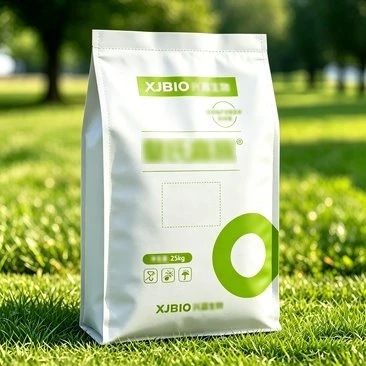
At the end of the day, we all want the same thing: healthy animals, a healthy farm, and a healthy planet. The feed bags we use are just one piece of that puzzle, but every piece matters. Let’s keep talking about it, keep trying new things, and not settle for the same old “it’s just a bag” attitude.
Livestock Feed Composite Bags References
- Environmental Protection Agency. (2022). Plastics and the Environment: Livestock Feed Packaging.
- American Farm Bureau Federation. (2021). Sustainable Packaging Solutions for Agricultural Commodities.
- Journal of Environmental Quality. (2020). Microplastic Contamination in Agricultural Soils from Plastic Agricultural Packaging.
- National Non-Profit Recycling Coalition. (2023). Agricultural Plastic Recycling: Barriers and Opportunities.
- USDA Agricultural Research Service. (2022). Lifecycle Analysis of Woven Polypropylene vs. Paper Feed Bags.
Zhejiang Xifeng Packaging Co., Ltd.
We are one of the most experienced livestock feed bags manufacturers and suppliers in China. With a professional production team, we offer a wide range of products with superior quality. Please feel free to buy bulk livestock feed bags at competitive price from our factory. We also accept customized orders.
Address: Xiaojiang Town, Pingyang County, Wenzhou City, Zhejiang Province, China
E-mail: zjxifeng@126.com
WebSite: https://www.xifengpackaging.com/
