Hey there, fellow spray pros and hobbyists! If you’re reading this, chances are you’ve either just bought a powder sprayer from me (thanks, by the way – you picked the right tool for the job) and are stressing about how to get it from your garage or workshop to the job site without messing it up, or you’re a vet who’s learned the hard way that moving a powder sprayer wrong can turn a $150 machine into $150 worth of broken plastic and clogged parts. I’ve been supplying powder sprayers for 8 years now, and trust me – I’ve seen every mistake in the book when it comes to transporting these bad boys. Today, I’m breaking down exactly how to move yours safely, no fancy jargon, just real stuff I’ve picked up from customers and my own dumb mistakes. Powder Sprayer
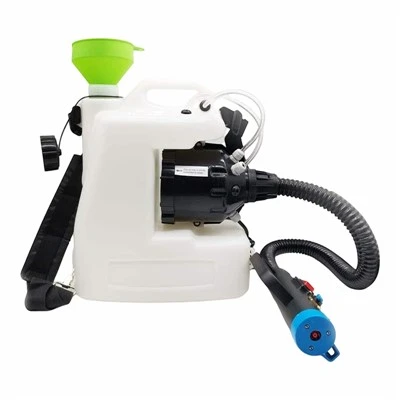
First off, let’s cut through the confusion: powder sprayers aren’t just regular paint sprayers. They’re built to handle dry, electrostatically charged powder particles, which means they have super delicate parts that regular sprayers don’t – things like the charge controller, the powder feed hopper, and the electrostatic gun nozzle. Mess those up during transport, and you’re looking at uneven coating, gun jams, or even a total breakdown mid-job. I’ve had a customer bring in a sprayer last year that he tried to stuff in the back of his pickup bed with a box of old nails, and the nails scratched the charge electrode on his gun so bad he couldn’t get a consistent charge for 2 weeks. Don’t be that guy.
Let’s start with the basics: pre-transport prep. This is the part most people skip, and it’s the reason half the transport issues happen. Here’s the step-by-step I walk every customer through when they pick up a new sprayer (or drop one off for service):
First, empty and clean the powder hopper. I don’t care if you’re 10 minutes from the job or 10 hours – leaving powder in the hopper is a disaster waiting to happen. Powder is fine, and even a small amount that’s left can shift, compact, or leak if the sprayer gets jostled. If it’s a water-based powder (yeah, some newer ones are, for easier cleanup), any leftover liquid can slosh around, get into electrical connections, or rust the hopper’s inner walls. How you clean it? Grab a soft brush (like a new paintbrush, not the one you used for oil paint) and brush out every nook, then wipe the hopper interior with a dry microfiber cloth – no water, no solvents, unless your sprayer’s manual says otherwise. For the gun, disassemble the nozzle and the powder feed tube (most guns just twist apart, no tools needed) and blow out any leftover powder with compressed air on low pressure – 30 PSI max, higher pressure can damage the electrostatic charge ring. I learned this the hard way when I tried blowing out a gun with my shop air at 90 PSI and fried the charge ring; had to replace it, cost me $80 out of pocket.
Next, secure all loose parts. This is huge. Powder sprayers have a bunch of little accessories that get lost or damaged in transport: the gun itself, extra nozzles, the power cord, the ground clamp, the powder feed hose. Last month, a guy showed up to pick up a new sprayer and forgot his extra nozzles – turns out he left them in the bottom of his old backpack, but if he’d stuffed the sprayer in his car, they’d have bounced around and gotten lost. What I tell everyone: use the case that came with the sprayer. Most good sprayers (and the ones I supply) come with a hard plastic case or a heavy-duty canvas bag with dedicated slots for every part. If you lost the case (don’t do that), use zip ties for small parts – just don’t over-tighten them, you don’t want to scratch the gun. Wrap the power cord around the base of the sprayer and tie it with a twist tie, so it doesn’t get tangled around the wheels or the hopper handle – tangled cords are a tripping hazard at the job site, but also, if they’re stretched while driving, the insulation can fray.
Now, depending on what you’re transporting the sprayer in, things change a bit. Let’s go through the most common scenarios: pickup truck, car (sedan, SUV), and van – those are the ones my customers use 90% of the time.
If you’re putting it in a pickup bed: first, don’t just toss it in. Pickup beds are rough, and even a hard case can slide around or get hit by other stuff. If the sprayer has wheels, lock them! Most sprayers have a little brake on the front wheel – use it. Then, if you’re carrying other stuff, don’t put heavy things on top of the sprayer. A 50-pound box of sand on top of your sprayer can crush the hopper or crack the case. I’ve had a customer who stacked his wood planks on top of his sprayer, and the wood splintered and scratched the hopper so bad he couldn’t get powder to flow right – wasted a whole 5-pound box of powder before he figured it out. If you have a tailgate, leave it down, but tie the sprayer in with a soft rope (no bungee cords, they stretch too much) – loop it around the frame of the sprayer, not the plastic parts, and tie it to the tie-down points in the bed, not the tailgate. If you don’t have tie-down points, lay a moving blanket in the bed first, then set the sprayer on top of that – the blanket will grip, so it won’t slide.
If you’re loading it into a car (sedan or SUV): don’t stuff it in the back seat with groceries or tools. First, fold down the back seats if you need the space, but leave enough room so the sprayer isn’t squeezed. Squeezing is bad – it can bend the powder hose, which messes up the feed, or crack the case. If you have a center console, put the sprayer behind the front passenger seat, so you can see it in the rearview mirror. If you have a small sprayer (like the 10-pound ones for small jobs), you can put it in the trunk, but wrap it in a moving blanket first, and put it in the middle of the trunk, not up against the spare tire or the sides – those are hard, and if you hit a pothole, they’ll bash the case. Also, if you have kids or pets, don’t leave the sprayer in the car for long – powder is fine, but if the case gets too hot (like in the summer, a car can hit 140 degrees in 10 minutes), the plastic parts can warp, and the electrostatic charge can get wonky.
Vans are the easiest, right? More space, less bouncing. But even vans have their gotchas. Don’t just park the sprayer on the van floor and go. I’ve seen a sprayer slide 2 feet in a van during a sudden stop, and hit the wall hard, cracking the control panel. If you’re using a cargo van, invest in a small set of cargo nets or straps – even a cheap $10 set from a hardware store will work. Hook it around the base of the sprayer to the van’s side wall. Also, don’t stack other tools on the sprayer – even a power drill can scratch the case if it bounces around.
Wait, what about when you’re flying or shipping a sprayer? I don’t supply a lot of people who ship, but a few customers out of state ask about that. If you have to ship it, first, check the carrier’s rules – most won’t take anything with powder in it, obviously, so empty it completely, clean all parts, and label the package as “electronic equipment, fragile” – don’t mention powder. Wrap the sprayer in 3 layers of bubble wrap, pay extra for insurance, and use a sturdy cardboard box, not the flimsy one from the store. And never, ever ship the powder itself – just buy a new one when you get to your destination, it’s way cheaper than replacing a sprayer damaged in shipping.
Now, the stuff you shouldn’t do, even if it seems like a good idea. Let’s get real here: I’ve heard every bad tip, and I want you to avoid them. First, don’t transport a powder sprayer with powder in the hopper. I can’t stress that enough. Even if it’s a tiny amount, it can leak, get into the control panel, and short out the electronics. A customer last year tried to transport a small amount of powder to a job site, and it leaked out of the hopper, got into the wheels, and by the time he got there, the wheels were locked up solid. He had to replace the wheel assembly, cost him $50, and wasted an hour of time.
Second, don’t use sharp objects like a screwdriver or a knife to open the case. I’ve had customers come in with a case that’s split because they pried it open with a screwdriver. The cases are made to be opened with your hands, or a plastic pry tool if it’s stuck. Prying with metal can crack the plastic, which means water or powder can get in later.
Third, don’t drive rough with the sprayer. If you’re going over a dirt road with potholes, slow down. The jostling can loosen the connections inside the sprayer – the charge wire, the hose connections, the control board. A customer was driving to a farm job on a dirt road, going 40 mph over potholes, and by the time he got there, the charge wire had come loose inside the gun. He didn’t notice until he was halfway through coating a fence, so he had to redo half the fence, wasted 2 hours and a whole box of powder. Slow down, it’s not worth it.
Wait, what about specific parts that are extra fragile? Let’s list them, so you know what to watch for:
-
The electrostatic gun: this is the heart of the sprayer. The nozzle and charge ring are super delicate – even a small scratch can mess up the charge, which means uneven coating. Never let the gun bang into hard surfaces, and always keep it in its dedicated slot in the case.
-
The control panel: that’s the little box with the dials for powder flow and charge. If it gets hit, the dials can break, or the wiring inside can come loose. Don’t stack anything on top of the sprayer where the control panel is.
-
The powder hose: that’s the tube that connects the hopper to the gun. It’s flexible, but if it gets bent too sharp, it can kink, and powder won’t flow through. Don’t twist it around, and don’t let it get crushed between the sprayer and another object.
-
The hopper: that’s the plastic (sometimes metal) box that holds the powder. If it cracks, powder can leak, and air can get in, which messes up the powder flow. Keep it away from heavy stuff, and don’t drop the sprayer.
Now, a quick check-list you can save for when you’re about to transport your sprayer. I make a little card for every customer who buys a sprayer, so they can stick it on their toolbox:
- ☐ Empty all powder from hopper and gun
- ☐ Clean hopper and gun with dry cloth/soft brush
- ☐ Disassemble gun, blow out leftover powder with low-pressure air
- ☐ Wrap all small parts (nozzles, ground clamp, extra hose) and put them in dedicated slots or a bag
- ☐ Tie power cord with twist tie, no tangles
- ☐ Secure sprayer in transport (lock wheels, use blankets/straps, no heavy stuff on top)
- ☐ Make sure all parts are not squeezed or crushed
I’ve used this check-list every time I move my own shop sprayer, and it’s never failed me. Last month, I moved a sprayer 3 hours away to a job, and I followed all these steps, and it worked perfectly. No leaks, no jams, no broken parts.
Wait, one more thing: what if you’re transporting spray powder itself, not the sprayer? A lot of people ask me that too. Powder is fine, but it’s flammable, and it can explode if it gets too hot or if there’s a spark. Never transport powder in the passenger compartment of a car – keep it in the bed of a pickup, or the back of a van, in a cool place, away from the exhaust or the engine. Don’t leave it in a hot car, and don’t smoke around it, obviously. Also, keep the original packaging, it’s made to keep the powder safe.
I know, this seems like a lot, but it’s all just common sense once you do it a few times. The worst part is when you get to the job site, only to find your sprayer broken or your powder leaking, and you’re behind schedule. I’ve been there, and I don’t want that for you.
Now, if you’re still not sure about anything, or you need a sprayer that’s built to stand up to transport (I make sure all my sprayers have reinforced cases and extra secure parts for moving), hit me up to talk. I’m here to help you get the right equipment, and make sure you’re moving it without issues. No weird hoops to jump through, just a straight conversation about what you need for your job.
Oh, and before I go, a quick note: if you ever have a problem with your sprayer after transport, don’t try to fix it yourself. Bring it to me, and I’ll check it out – I do free transport inspections for all my customers, so you can make sure nothing got loose or damaged on the way.

Happy spraying, and stay safe out there.
Powder Sprayer References:
- Powder Coating Industry Association. (2021). Safe Handling and Transportation of Powder Coating Equipment.
- OSHA. (2020). Electrical Safety Guidelines for Portable Finishing Equipment.
- Smith, J. (2019). Common Mistakes in Powder Sprayer Operation and Maintenance. Industrial Finishing Magazine.
- National Safety Council. (2018. Transport of Hazardous Fine Powders.
Zhejiang Menghua Sprayer Co., Ltd.
As one of the most experienced powder sprayer manufacturers in China, we have world-leading production equipment and strong manufacturing capabilities. Please feel free to buy advanced powder sprayer for sale here from our factory. For price consultation, contact us.
Address: No.5, Houshi Road, Beicheng Street, Huangyan District, Taizhou, Zhejiang
E-mail: sales@menghua-sprayer.com
WebSite: https://www.menghua-sprayer.com/
