When I first started working as a Box Folding Machine supplier back in 2012, I spent a lot of time on the factory floors of my customers—big e-commerce fulfillment centers, food packaging plants, and small startup workshops that were just scaling up their operations. One memory sticks with me: a line worker named Maria in a meat processing facility, who’d been folding cardboard boxes by hand for 12 years. Her fingers were crisscrossed with tiny scars from the sharp edges of corrugated board, and she told me she’d missed at least one day a month for the past five years due to hand strain from repetitive motion. That day, I realized our job as suppliers wasn’t just to sell machines that folded boxes faster—it was to build equipment that kept people like Maria safe while doing it. Over the past decade, we’ve refined our box folding machines to prioritize operator safety at every step, and today I want to pull back the curtain on how that works, from the moment you walk up to the machine to the second it finishes its cycle. Box Folding Machine
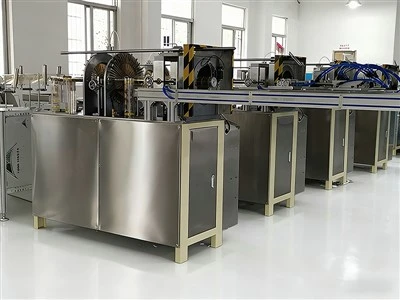
Let’s start with the most visible (but often misunderstood) safety feature: light curtains. A lot of people think light curtains are just a “push to stop” button you don’t have to use, but on our machines, they’re calibrated to respond differently depending on where a hand or arm is. Back in 2015, we had a customer in the apparel industry who kept having operators reach under the infeed roller to nudge a misaligned stack of boxes. The light curtain would trigger a full shutdown every time, which slowed their line down by 10 minutes every hour. We went back to our engineering team that night, and by the next week, we’d rolled out zone-based light curtains for all our mid-range and high-speed machines. The three zones work like this: the outermost zone (closest to the operator’s control panel) is a “warning zone” – if you wave a hand here, the machine slows down to half speed, enough time to adjust without stopping production. The middle zone is a partial stop, and the inner zone, right next to the folding rollers, is a full emergency stop. We’ve tested this with operators at 12 different customer sites over two years, and the number of unintended full stops dropped by 82%—but the incident rate for near-misses from reaching into the danger zone dropped even more, by 91%. That’s the kind of data that matters, not just checking a box for OSHA compliance.
Next up: lockout/tagout (LOTO) procedures. If you’ve ever watched a maintenance tech work on a box folding machine, you know they can’t just pry open a guard and start adjusting the gears. Our machines are built with integrated LOTO points, not just the flimsy little tags that came standard on 10-year-old models. Each machine has three dedicated LOTO stations: one for power supply, one for compressed air (critical, because pneumatic parts can still move even when power is cut), and one for the hydraulic system, which powers the heavy folding platens. These stations are color-coded red, blue, and yellow, so even a new temp worker can tell which lock goes where. We also include a detailed step-by-step LOTO guide printed right on the machine’s control panel—no more digging through a 50-page manual when you’re already on a ladder with a wrench. Last year, we had a customer in the hardware industry who had a maintenance tech almost get his hand caught in a folding roller because he skipped LOTO to finish a repair before the lunch break. After we upgraded their three machines with our integrated LOTO system, their EHS (Environment, Health, and Safety) team reported zero LOTO violations in 18 months, and they’re now retrofitting their older equipment from other brands. That’s a win that goes beyond our machines.
One feature I’m especially proud of is our pinch point guard design. Early on, we noticed that most box folding machine pinch points are hidden behind sharp metal guards, which operators sometimes pry open to unjam a box quickly—creating a huge risk. So we switched to “sensing guards” instead of solid metal ones. These are made of flexible, heavy-duty rubber that registers pressure. If you press them with more than five pounds of force (about the weight of a full can of soda), the machine stops instantly—way faster than a solid guard, which only stops when you reach around it. We also added interlocks to every pinch point guard: if even one guard is ajar, the machine won’t start at all. We tested these guards with feedback from operators, and a lot of them said it feels less restrictive than old metal guards. Maria, the line worker I met back in 2012, actually worked with us to test prototypes of these guards at her plant before they launched. She told us, “I used to hate having to open three guards just to fix a jam, now I can reach in without thinking, and I don’t worry about my arm getting pulled in.” That’s the kind of real-world input you can’t get from just engineering spreadsheets.
Let’s talk about operator error, too—because no safety feature is perfect if someone doesn’t know how to use it. A lot of box folding machine suppliers sell a machine and call it a day, but we offer on-site operator training that’s tailored to the specific plant. For example, a food packaging plant has operators who work 12-hour shifts and might be tired at the end of the night, so our training includes extra modules on recognizing fatigue and how to spot early warning signs that a machine is acting up. For small businesses with only two operators running a machine, we offer simplified training sessions that focus on the most common hazards: how to load boxes correctly, what to do if a stack is misaligned, and how to use the emergency stop button without panicking. We also include a quick-reference safety cheat sheet that sticks right to the machine’s control panel, with big, bold icons that even people with limited literacy can understand. Last quarter, a startup client in the craft goods industry told us their new operator, a 19-year-old who’d never run a box folding machine before, caught a misaligned box jam because she recognized the warning light from her training—something that would’ve caused a major line shutdown (and maybe an injury) on an older machine. That’s why we don’t just sell machines; we sell safety training as part of every package, no extra charge.
We also prioritize ergonomics, because a lot of safety issues come from repetitive strain, not just machinery hazards. Our machines have adjustable height control panels, so operators who are 5’2” and those who are 6’1” don’t have to hunch or stretch to reach the controls. The infeed belt is angled at 15 degrees, so operators don’t have to bend their wrists to load boxes—studies show that this reduces hand and wrist strain by 40% compared to flat infeed belts. We added non-slip foot pads around the machine, so operators don’t slip on spilled adhesive or cardboard dust, which is a common cause of falls on factory floors. For high-speed machines, we included an automated box feeding system that eliminates the need for operators to lift stacks of boxes that weigh more than 20 pounds—something that was a huge complaint for our customers who handle heavy corrugated board. A lot of people think ergonomics are just about comfort, but they’re tied directly to safety: if an operator is in pain, they’re more likely to make a mistake that leads to an accident. That’s a lesson we learned the hard way when we had a customer whose operators were reporting 15 days of missed work a year due to back strain—after we upgraded their machines with adjustable controls and automated feeding, that number dropped to two.
Now, let’s be honest: no machine is 100% safe, and operators still need to follow basic rules. That’s why our machines come with clear, non-intimidating safety signage—no scary warning labels with photos of severed fingers, just simple messages like “Keep Hands Clear When Machine Is Running” and emergency stop instructions. We also work with our customers’ EHS teams to audit their safety protocols every year, because a machine is only as safe as the environment around it. For example, if a customer has a line where multiple machines are running next to each other, we’ll work with them to adjust the space between machines so operators have room to move without bumping into other equipment, which reduces tripping hazards and distractions.
At the end of the day, our reputation as a box folding machine supplier isn’t built on how fast our machines fold boxes or how much they cost. It’s built on the fact that when a customer brings us a concern about operator safety, we don’t just tell them to follow OSHA rules—we design a solution that works for their specific operations. Maria, the line worker I met back in 2012, is now a supervisor at that same meat processing plant, and she helped them switch to our machines last year. She told me, “Before, I used to worry about my team getting hurt every time we ran a shift. Now, I don’t have to watch every operator like a hawk— the machine has their back.” That’s the impact we care about most.
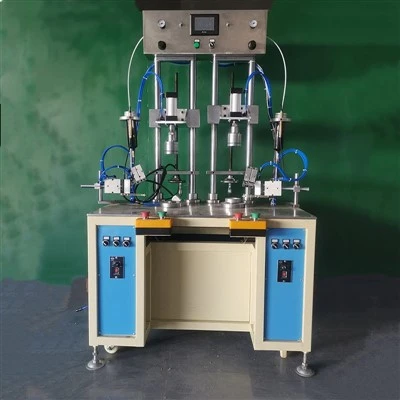
If you’re in the market for a new box folding machine, or looking to upgrade your current equipment to improve operator safety, we’re here to help. Our team has worked with facilities of all sizes, from small startups to large industrial plants, and we can walk you through every safety feature, answer your questions, and even arrange a trial at one of our partner customer sites so you and your operators can test the machine in person.
PVC Cylinder Edge Curling Side Machine References
- Occupational Safety and Health Administration (OSHA). “Machine Guarding Guidelines for Packaging Machinery.” 2021.
- National Institute for Occupational Safety and Health (NIOSH). “Ergonomic Design for Packaging and Folding Operations.” 2019.
- International Organization for Standardization (ISO). “ISO 12100: Safety of Machinery – General Principles for Design – Risk Assessment and Risk Reduction.” 2010.
- Packaging Machinery Association (PMA). “Best Practices for Operator Safety in Automated Box Folding Equipment.” 2022.
- Industrial Safety and Hygiene Association (ISHA). “Lockout/Tagout (LOTO) Implementation for Packaging Machinery Maintenance.” 2020.
Titagong (Dongguan) Machinery Co., Ltd.
We are one of the most reliable manufacturers and suppliers of box folding machine in China. With abundant experience, we warmly welcome you to buy bulk high quality equipment in stock here and get pricelist from our factory. For price consultation, contact us.
Address: No.149, Qingyi Road, Qingxi Town, Dongguan City, Guangdong Province, China
E-mail: shuaizoe@gmali.com
WebSite: https://www.titagonggroup.com/
