Hey there, welding enthusiasts! I’m a supplier of TIG welding machines, and today I’m stoked to share with you all about how to use a high-frequency start in a TIG welding machine. It’s a technique that can really take your welding game to the next level, and I’m here to break it down step by step. TIG Welding Machine
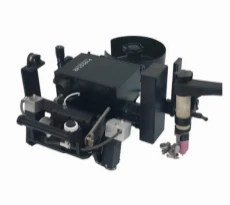
So, first things first, what exactly is a high-frequency start? Well, in simple terms, it’s a way to initiate the arc in a TIG welding process without actually touching the tungsten electrode to the workpiece. This is super important because it helps prevent contamination of the tungsten and gives you a cleaner, more precise start to your weld.
Understanding the Basics of High-Frequency Start
Before we dive into the "how-to" part, let’s quickly go over why high-frequency start is a big deal. When you’re welding with a TIG machine, the arc is what melts the metal and forms the weld. Starting the arc smoothly and cleanly is crucial for getting a good-quality weld.
The high-frequency start uses a high-voltage, high-frequency electrical signal to ionize the gas between the tungsten electrode and the workpiece. This ionization creates a path for the main welding current to flow, and boom, you’ve got an arc! It’s like a little electrical magic trick that happens in the blink of an eye.
Preparing Your TIG Welding Machine
Okay, so you’ve decided to give high-frequency start a try. The first thing you need to do is make sure your TIG welding machine is set up properly. Here’s a quick checklist:
- Choose the Right Tungsten Electrode: Not all tungsten electrodes are created equal. You’ll want to pick one that’s suitable for the type of metal you’re welding and the amperage you’ll be using. For most general-purpose welding, a 2% thoriated or 2% ceriated tungsten electrode is a good choice.
- Set the Correct Gas Flow: The shielding gas is what protects the weld from contamination. Make sure you’ve got the right gas (usually argon for TIG welding) and that the flow rate is set correctly. A good starting point is around 10-20 cubic feet per hour (CFH), but you might need to adjust it depending on the size of your weld area.
- Adjust the Amperage: The amperage setting on your TIG welding machine determines how hot the arc will be. You’ll need to set it based on the thickness of the metal you’re welding. Thicker metals will require higher amperage, while thinner metals will need lower amperage.
- Enable the High-Frequency Start Function: Most modern TIG welding machines have a built-in high-frequency start feature. Check your machine’s manual to find out how to turn it on. It’s usually just a matter of flipping a switch or pressing a button.
Using High-Frequency Start in TIG Welding
Now that your machine is all set up, it’s time to start welding! Here’s how you can use high-frequency start to get a clean, precise arc every time:
- Position Your Torch: Hold the TIG torch at a comfortable angle, usually around 70-80 degrees from the workpiece. Make sure the tungsten electrode is centered over the area you want to start welding.
- Activate the High-Frequency Start: Once you’re in position, press the foot pedal or trigger on your TIG torch to activate the high-frequency start. You’ll hear a high-pitched buzzing sound, and you might see a small spark between the tungsten electrode and the workpiece. This is the ionization process happening.
- Wait for the Arc to Ignite: After a split second, the main welding current will kick in, and you’ll have a stable arc. You can now start moving the torch slowly along the joint, adding filler metal as needed.
- Monitor the Weld Pool: As you’re welding, keep an eye on the weld pool. It should be a nice, even color and shape. If it starts to get too hot or too cold, you might need to adjust the amperage or your travel speed.
- End the Weld Properly: When you’re finished welding, release the foot pedal or trigger to stop the welding current. Let the weld cool down gradually to avoid cracking or warping.
Tips and Tricks for Using High-Frequency Start
Here are a few tips and tricks to help you get the most out of high-frequency start in TIG welding:
- Keep the Tungsten Clean: A clean tungsten electrode is essential for a good high-frequency start. Make sure to grind the tungsten to a sharp point before each use, and avoid touching it to the workpiece or filler metal.
- Practice on Scrap Metal: If you’re new to high-frequency start, it’s a good idea to practice on some scrap metal first. This will help you get a feel for the technique and build your confidence.
- Use a Ground Clamp: A good ground clamp is important for ensuring a stable electrical connection between your welding machine and the workpiece. Make sure it’s clean and securely attached.
- Adjust the High-Frequency Settings: Some TIG welding machines allow you to adjust the high-frequency settings, such as the frequency and the amplitude. Experiment with different settings to find the ones that work best for you.
Troubleshooting High-Frequency Start Issues
Sometimes, things don’t go as planned, and you might run into some issues with high-frequency start. Here are a few common problems and how to fix them:
- Arc Won’t Ignite: If the arc won’t ignite, check to make sure the high-frequency start function is enabled and that the tungsten electrode is properly positioned. You might also need to increase the amperage or adjust the gas flow.
- Arc Is Unstable: An unstable arc can be caused by a variety of factors, such as a dirty tungsten electrode, incorrect amperage settings, or a poor ground connection. Check these things and make the necessary adjustments.
- Excessive Sparkling: If you’re seeing a lot of sparks between the tungsten electrode and the workpiece, it could be a sign that the high-frequency settings are too high. Try reducing the frequency or the amplitude.
Why High-Frequency Start Matters for Your Welding Projects
Using a high-frequency start in your TIG welding machine has several benefits that can make your welding projects easier and more successful. Here are a few reasons why you should consider using it:
- Cleaner Welds: By starting the arc without touching the tungsten electrode to the workpiece, you can prevent contamination and get cleaner, more precise welds.
- Less Wear and Tear on the Tungsten: Touch starting the arc can cause the tungsten electrode to dull or become contaminated, which can affect the quality of your welds. High-frequency start reduces the wear and tear on the tungsten, extending its lifespan.
- Improved Control: High-frequency start gives you more control over the arc initiation process, allowing you to start and stop the weld more easily and accurately.
- Versatility: High-frequency start can be used on a variety of metals, including stainless steel, aluminum, and titanium, making it a versatile technique for all your welding needs.
Conclusion and Call to Action
Well, that’s all for today’s blog post on how to use a high-frequency start in a TIG welding machine! I hope you found this information helpful and that you’re ready to give high-frequency start a try in your next welding project.
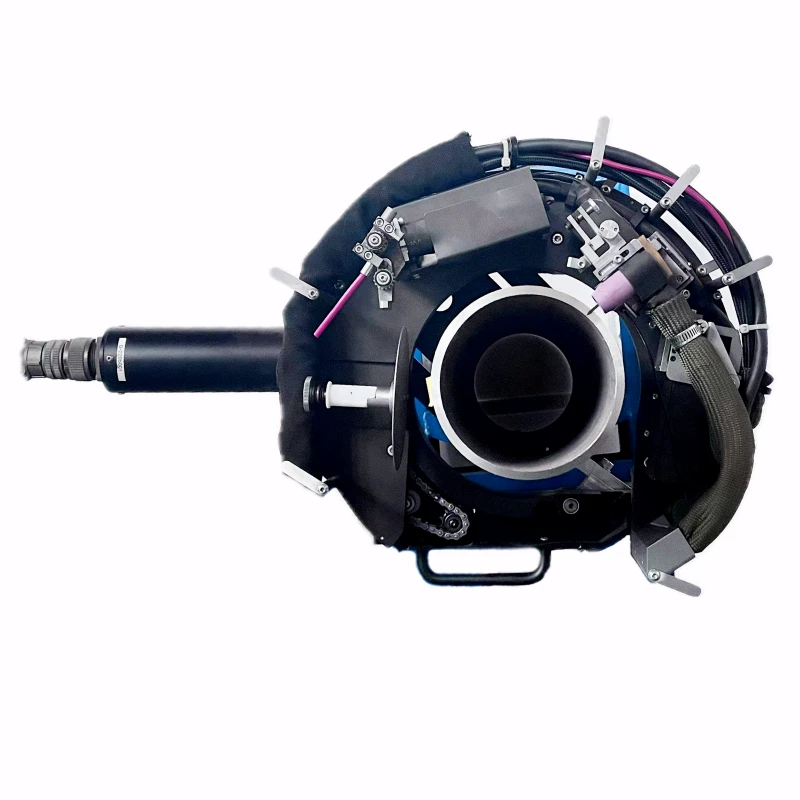
As a TIG welding machine supplier, I’m always here to help you with any questions or concerns you might have. Whether you’re looking for a new TIG welding machine or just need some advice on how to use your existing one, don’t hesitate to reach out. We’ve got a wide range of high-quality TIG welding machines that are perfect for both beginners and experienced welders.
TIG Welding Machine So, if you’re in the market for a TIG welding machine or just want to learn more about how to use a high-frequency start, give us a call or drop us an email. We’d love to hear from you and help you take your welding skills to the next level!
References
- Miller Electric Mfg. Co. "TIG Welding Basics."
- Lincoln Electric. "High-Frequency Start in TIG Welding."
- Hobart Welding Products. "Tips for Using TIG Welding Machines."
EMI Pipeline Tech. Co., Ltd.
We’re well-known as one of the leading TIG welding machine manufacturers and suppliers in China. We warmly welcome you to buy advanced TIG welding machine made in China here from our factory. If you have any enquiry about cooperation, please feel free to email us.
Address: Building31,No.511,Huangpujiang North Road, Zhoushi Town, Kunshan City, Jiangsu Province,China
E-mail: zhaoqiang@emipipeline.com
WebSite: https://www.emiwelding.com/
