Yo, what’s up! I’m a supplier of FRP Standard Profiles, and today I wanna chat about the market trends for these bad boys. FRP, or Fiber – Reinforced Plastic, standard profiles have been making waves in the industry for a while now, and it’s super interesting to see where the market’s headed. FRP Standard Profile
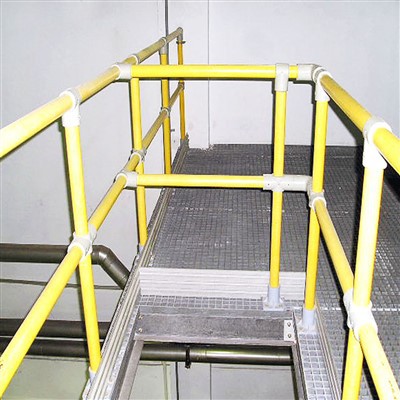
First off, let’s talk about the demand side. The demand for FRP standard profiles has been on the up – and – up in recent years. Why? Well, there are several reasons. For starters, FRP profiles are incredibly durable. They can resist corrosion, which is a huge deal in industries where metal profiles would quickly rust and break down. Think about the chemical processing industry, where harsh chemicals are constantly in use. Metal profiles would be eaten away in no time, but FRP profiles can withstand the corrosive environment and last much longer. This durability means lower replacement costs for businesses in the long run, making them a cost – effective choice.
Another big factor driving the demand is the lightweight nature of FRP. In construction and transportation industries, every pound counts. Using FRP standard profiles instead of traditional materials like steel can significantly reduce the overall weight of a structure or vehicle. In construction, this can lead to lower foundation costs because the building doesn’t need to support as much weight. In the transportation sector, lighter vehicles mean better fuel efficiency, which is not only good for the bottom line but also for the environment.
The construction industry is one of the biggest consumers of FRP standard profiles. With the growing trend towards sustainable and green building practices, FRP fits the bill perfectly. It has a relatively low carbon footprint compared to some other materials, as it requires less energy to produce. Plus, it can be recycled at the end of its life cycle, which is a major plus for eco – conscious developers. We’re seeing more and more architects and builders specifying FRP profiles for things like window frames, handrails, and structural supports in commercial and residential buildings.
The energy sector is also a key player in the FRP profile market. In the wind energy industry, for example, FRP profiles are used in the manufacturing of wind turbine blades. Their high strength – to – weight ratio makes them ideal for this application, allowing turbines to be built larger and more efficient. As the demand for renewable energy continues to grow, we can expect the use of FRP profiles in this sector to increase as well.
Now, let’s look at some of the technological trends affecting the FRP standard profile market. There have been some cool advancements in manufacturing processes. New resin systems are being developed that offer even better performance characteristics. For instance, some new resins provide enhanced fire resistance, which is crucial in many applications, especially in buildings and transportation.
Automation in the manufacturing of FRP profiles is also on the rise. This not only improves the quality and consistency of the profiles but also reduces production costs. With automated processes, we can produce FRP profiles more quickly and with fewer errors, which means we can offer better prices to our customers.
On the flip side, there are some challenges in the market too. One of the main challenges is the perception of FRP as an unfamiliar material. Some architects, engineers, and contractors are still more comfortable using traditional materials like steel and wood. To overcome this, we need to do a better job of educating the market about the benefits of FRP. We can provide more case studies and real – world examples of successful FRP applications to show how reliable and effective these profiles can be.
Another challenge is the competition. There are more and more suppliers entering the market, which means we have to work harder to stand out. We need to focus on offering high – quality products, excellent customer service, and competitive pricing.
So, what does the future look like for the FRP standard profile market? I think it’s pretty bright. As more industries become aware of the advantages of FRP, the demand is likely to keep growing. We’ll probably see more innovation in terms of new applications and manufacturing techniques.
For us suppliers, it’s important to stay ahead of the curve. We need to invest in research and development to come up with new and improved products. We also need to build strong relationships with our customers, understand their needs, and provide them with customized solutions.
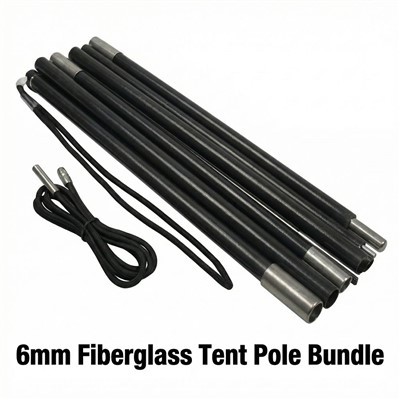
If you’re in the market for FRP standard profiles, whether you’re in construction, energy, or any other industry, I’d love to talk to you. I’ve got a great range of profiles that can meet your specific requirements. Whether you need a profile for a small project or a large – scale industrial application, we’ve got you covered. Don’t hesitate to reach out and start a conversation about your needs. I’m confident we can find the perfect solution for you.
FRP Tent Pole References
- Industry reports on FRP materials and market trends
- Case studies of FRP applications in construction and energy sectors
Yizheng Wanteng Composites Co., Ltd.
As one of the most professional FRP standard profile manufacturers and suppliers in China, we’re featured by quality products and good service. Please rest assured to wholesale bulk slip-resistant FRP standard profile for sale here from our factory. Contact us for pricelist.
Address: No. 20 Longyi Road, Qingshan Town Industrial Park, Yizheng City, Jiangsu Province, China
E-mail: mark@wantfrp.com
WebSite: https://www.wantfrp.com/
