As an electric wire supplier deeply entrenched in the industry, I’ve witnessed firsthand the critical role that these unassuming conductors play in powering our modern world. Yet, beneath their seemingly ordinary exterior lies a potential for danger that cannot be underestimated. In this blog post, I’ll delve into the various fire hazards associated with electric wires, offering insights drawn from my years of experience and industry knowledge. Electric Wire
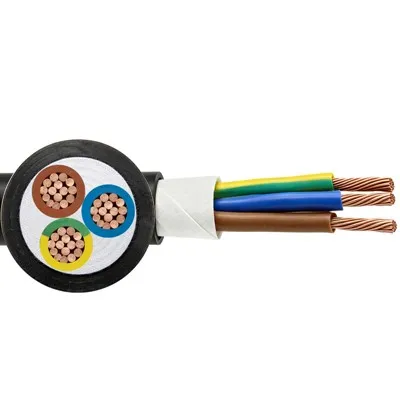
Overheating and Overloading
One of the most common causes of electrical fires is overheating, which often stems from overloading circuits. When an electric wire is forced to carry more current than its rated capacity, it heats up. This excessive heat can melt the insulation around the wire, exposing the bare conductors. Once the insulation is compromised, there’s a high risk of short – circuits, where the live wires come into contact, generating a large amount of heat instantaneously.
In domestic settings, overloading can occur when multiple high – wattage appliances are plugged into a single outlet or power strip. For example, connecting a microwave, a toaster, and a coffee maker to a single multi – socket adapter strains the wire beyond its limits. In commercial environments, large machinery and equipment can also cause overloading if not properly distributed across circuits.
As a supplier, I always emphasize the importance of understanding the ampacity of electric wires. Ampacity refers to the maximum amount of electrical current a wire can safely carry without overheating. Different wire gauges have different ampacities. Thicker wires generally have higher ampacities as they can dissipate heat more effectively. By selecting the appropriate wire gauge for a specific application, the risk of overheating and overloading can be significantly reduced.
Poor Installation
The quality of installation is another crucial factor in preventing electrical fires. Improperly installed electric wires can create numerous fire hazards. For instance, loose connections are a common problem. When wires are not securely attached to outlets, switches, or circuit breakers, resistance increases at the connection point. According to Ohm’s Law (P = I²R, where P is power, I is current, and R is resistance), an increase in resistance leads to an increase in power dissipation, resulting in heat generation. Over time, these loose connections can become hot enough to ignite nearby flammable materials.
Incorrect splicing is also a major concern. If wires are spliced together without following proper procedures, such as using the wrong connectors or failing to insulate the splice properly, it can lead to short – circuits. Moreover, running wires through areas with excessive moisture, sharp objects, or extreme temperatures can damage the insulation, putting the entire electrical system at risk.
To address these issues, I recommend working with qualified electricians for any electrical installation or modification. At our company, we also provide detailed installation guides with our products. These guides outline the correct installation methods, including proper wire routing, connection techniques, and safety precautions.
Aging and Deterioration
Electric wires, like all materials, age over time. The insulation on wires can degrade due to various factors such as heat, moisture, and exposure to chemicals. As the insulation deteriorates, it loses its ability to prevent the flow of electricity outside the conductor. This can result in short – circuits and arcing, both of which are potential ignition sources.
In older buildings, the electrical wiring may have been installed decades ago. The insulation materials used in the past may not be as durable as modern ones. For example, some older buildings may still have knob – and – tube wiring, which has a high fire risk due to its exposed conductors and lack of modern insulation.
As a supplier, we offer a range of high – quality, long – lasting electric wires. Our products are made with advanced insulation materials that are resistant to heat, moisture, and chemical damage. We also encourage regular electrical inspections, especially in older buildings. During these inspections, electricians can assess the condition of the wiring and recommend replacement if necessary.
Environmental Factors
Environmental conditions can have a significant impact on the safety of electric wires. Moisture is one of the most damaging elements. When water comes into contact with electrical wires, it can penetrate the insulation and cause corrosion of the conductors. Corroded wires have higher resistance, which leads to increased heat generation. In addition, moisture can facilitate the flow of electricity along the surface of the insulation, increasing the risk of short – circuits.
Areas prone to flooding, high humidity, or where there are water leaks are particularly vulnerable. For example, kitchens, bathrooms, and basements often have high moisture levels. To counter this, we offer waterproof and moisture – resistant electric wires. These wires are specially designed with protective coatings or sheaths that prevent water from reaching the conductors.
Extreme temperatures can also affect the performance of electric wires. In very hot environments, the insulation can soften and lose its integrity. On the other hand, in extremely cold temperatures, the insulation can become brittle and crack. We provide a range of wires that are suitable for different temperature ranges. For high – temperature applications, we offer wires with heat – resistant insulation, while for cold environments, we have wires with flexible insulation that can withstand low temperatures.
Faulty Electrical Equipment
The interaction between electric wires and electrical equipment is another area where fire hazards can arise. Faulty electrical appliances or equipment can draw excessive current, overloading the connected wires. For example, a malfunctioning motor in a refrigerator or a damaged heating element in a dryer can cause a sudden increase in current flow.
In addition, some electrical equipment may generate sparks or arcs during normal operation. If these sparks come into contact with flammable materials near the wires, it can start a fire. When supplying electric wires, we often advise customers to use high – quality electrical equipment and to follow the manufacturer’s instructions for installation and maintenance. We also recommend using surge protectors to safeguard both the wires and the connected equipment from power surges.
Understanding the fire hazards associated with electric wires is crucial for ensuring electrical safety in both residential and commercial settings. As a supplier, my responsibility goes beyond just providing products. I strive to educate my customers about the proper selection, installation, and maintenance of electric wires. By taking these precautions, we can significantly reduce the risk of electrical fires and create a safer environment for everyone.
Control Cable Low Voltage If you’re in need of high – quality electric wires that are designed to minimize fire hazards and provide reliable performance, I invite you to reach out to us. We have a wide range of products to meet your specific requirements, whether it’s for a small home project or a large commercial installation. Let’s work together to ensure your electrical systems are safe and efficient.
References
- National Fire Protection Association (NFPA). NFPA 70: National Electrical Code.
- Institute of Electrical and Electronics Engineers (IEEE). IEEE Wiring Standards.
- Underwriters Laboratories (UL). UL Standards for Electrical Wires and Cables.
Yangzhou Huayu Cable Co., Ltd.
Yangzhou Huayu Cable Co., Ltd. is one of the most professional electric wire manufacturers and suppliers in China, also supports customized service with low price. Please feel free to wholesale advanced electric wire made in China here from our factory. Contact us for pricelist.
Address: No. 9 Jingang Road, Yangzhou City, Jiangsu Province, China
E-mail: huayucableco@126.com
WebSite: https://www.huayucabletech.com/
