Can PVC Pipes be Used for Irrigation Systems?
As a supplier of PVC pipes and fittings, I’ve been asked countless times about the suitability of PVC pipes for irrigation systems. This question is not only relevant for farmers and gardeners but also for large – scale agricultural operations and landscape designers. In this blog, I’ll delve into the pros and cons of using PVC pipes in irrigation, compare them with other materials, and provide some practical tips on installation and maintenance. PVC Pipe & Fittings
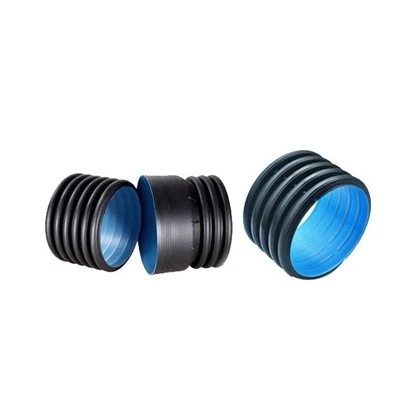
Advantages of Using PVC Pipes in Irrigation Systems
One of the most significant advantages of PVC pipes is their durability. PVC (Polyvinyl Chloride) is a robust and long – lasting material. It can withstand a wide range of environmental conditions, including exposure to sunlight, extreme temperatures, and various chemicals commonly found in soil or water. Unlike metal pipes, PVC does not rust or corrode, which means it has a much longer lifespan. This durability reduces the need for frequent replacements, saving both time and money in the long run.
Another advantage is the lightweight nature of PVC pipes. They are easy to handle and transport, which is a great benefit during the installation process. Whether you are setting up a small home garden irrigation system or a large – scale agricultural project, the ease of handling PVC pipes makes the installation quicker and more efficient. You can easily cut, join, and maneuver PVC pipes without the need for heavy equipment.
PVC pipes also offer excellent chemical resistance. They can handle different types of fertilizers, pesticides, and other chemicals that are often used in irrigation systems. This resistance ensures that the pipes will not degrade or react with these substances, maintaining the integrity of the irrigation system and the quality of the water being delivered.
In terms of cost, PVC pipes are generally more affordable than many other materials. They are widely available in the market, and their production costs are relatively low. This affordability makes PVC pipes an attractive option for both small – scale and large – scale irrigation projects. It allows farmers and gardeners to set up or upgrade their irrigation systems without breaking the bank.
Disadvantages of Using PVC Pipes in Irrigation Systems
Despite their many advantages, PVC pipes also have some drawbacks. One of the main concerns is their susceptibility to damage from physical impact. Although PVC is a strong material, it can crack or break if it is hit by heavy objects or subjected to excessive force. This can be a problem in areas where there is a high risk of mechanical damage, such as in construction sites or areas with heavy machinery.
Another potential issue is the limited flexibility of PVC pipes. They are relatively rigid compared to some other materials, which can make it challenging to install them in areas with complex layouts or sharp bends. In such cases, additional fittings may be required to achieve the desired configuration, which can increase the cost and complexity of the installation.
PVC pipes can also be affected by high temperatures. In extremely hot weather, PVC pipes may expand, which can lead to leaks or other issues in the irrigation system. Similarly, in very cold weather, PVC pipes can become brittle and more prone to cracking.
Comparison with Other Materials
When considering PVC pipes for irrigation systems, it’s important to compare them with other commonly used materials. One of the main alternatives is polyethylene (PE) pipes. PE pipes are more flexible than PVC pipes, which makes them easier to install in areas with irregular layouts. They are also more resistant to impact and can withstand lower temperatures better than PVC. However, PE pipes are generally more expensive than PVC pipes and may not offer the same level of chemical resistance.
Another alternative is metal pipes, such as galvanized steel or copper. Metal pipes are very strong and can withstand high pressures. They are also less likely to be damaged by physical impact compared to PVC pipes. However, metal pipes are prone to rust and corrosion, especially in areas with high humidity or acidic soil. They are also heavier and more difficult to install than PVC pipes, and their cost is usually higher.
Installation and Maintenance Tips
If you decide to use PVC pipes for your irrigation system, proper installation is crucial. First, make sure to choose the right size and type of PVC pipes for your specific needs. The size of the pipes will depend on the flow rate and pressure requirements of your irrigation system. You should also use high – quality PVC fittings to ensure a proper seal and prevent leaks.
When installing PVC pipes, it’s important to follow the manufacturer’s instructions carefully. Use a PVC primer and cement to join the pipes and fittings securely. Make sure to clean the surfaces of the pipes and fittings before applying the primer and cement to ensure a strong bond.
Regular maintenance is also essential to keep your PVC irrigation system in good working condition. Inspect the pipes and fittings regularly for any signs of damage, such as cracks or leaks. If you notice any issues, repair or replace the damaged parts as soon as possible. It’s also a good idea to flush the irrigation system periodically to remove any debris or sediment that may have accumulated inside the pipes.
Conclusion
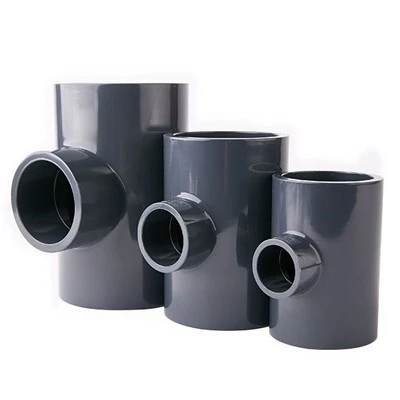
In conclusion, PVC pipes can be a great option for irrigation systems. They offer many advantages, such as durability, lightweight, chemical resistance, and affordability. However, they also have some limitations, such as susceptibility to physical damage, limited flexibility, and temperature sensitivity. When considering using PVC pipes for your irrigation system, it’s important to weigh the pros and cons and compare them with other materials.
PP-R Pipes and Fittings If you are interested in purchasing PVC pipes and fittings for your irrigation project, I would be more than happy to assist you. We offer a wide range of high – quality PVC products that are suitable for various irrigation applications. Whether you need pipes for a small home garden or a large – scale agricultural project, we can provide you with the right solutions. Contact us to discuss your specific requirements and start your irrigation project with confidence.
References
- "Irrigation Pipe Materials: A Comparative Analysis" – Journal of Agricultural Engineering
- "PVC Pipes in Water Systems: Properties and Applications" – Water Resources Research Journal
- "Best Practices for Installing Irrigation Systems" – Agricultural Extension Service Publications
Shanxi Kaisheng Plastic Co., Ltd.
Shanxi Kaisheng Plastic Co., Ltd. is one of the most professional PVC pipe & fittings manufacturers and suppliers in China, featured by quality products and good price. Welcome to buy durable PVC pipe & fittings made in China here and get quotation from our factory. We also accept customized orders.
Address: No. 72, Area S, Gate 1, Haohai Wumart, Fendong Street, Xiaodian District, Taiyuan City, Shanxi Province
E-mail: sxkssj8@163.com
WebSite: https://www.sxksgys.com/
