Hey everyone, let’s cut to the chase—you’ve probably grabbed a pair of sweatpants or high-waisted jeans recently and stopped mid-pull because that waistband gave you a weird, itchy tingle. If you’re like me, you’ve either blamed it on “sensitive skin” or the store’s cheap fabrics, but have you ever stopped to wonder: do elastic waist bands actually cause skin irritation? Spoiler alert—they’re not all created equal, and as someone who’s been in the elastic waist band supply game for way too long, I’ve seen this question pop up from customers, designers, and even my own cousin who swears his work pants give him a rash. Let’s break this down like we’re chatting over coffee, no stuffy jargon just facts. Elastic Waist Band

First, let’s get the basics straight—elastic itself isn’t inherently evil, right? I’ve worked with fabrics for so long I can tell you: the irritation comes from a mix of what the elastic is made of, how it’s processed, and how it’s used. Let’s start with the material culprit. Most basic elastic waist bands you find in drugstore loungewear or fast fashion are made from a blend of natural rubber latex and synthetic fibers like polyester or spandex. Natural rubber latex is the big one here—about 1-6% of the global population has a latex allergy, and it’s not just a “if you touch a glove and get a rash” thing. If your waistband has even a tiny trace of unprocessed latex, it can trigger contact dermatitis: that red, itchy, sometimes blistery rash that shows up hours after you wear something. I’ve had clients come to me complaining about rashes on their tummies from those $10 maternity pants, and when I tested the old elastic they were using, there was residual latex that never got fully washed out during manufacturing. That’s a misstep a lot of small suppliers make—they skip the post-production finishing step that removes leftover latex proteins, which are the real trigger.
Then there’s the synthetic side. Some cheap elastics rely heavily on polyester to cut costs, and polyester doesn’t breathe. If you’re wearing a waistband that traps sweat against your skin all day—whether you’re running errands at the mall during summer or sitting at a desk for 8 hours—you get a moist environment. That’s a breeding ground for irritants, plus the constant friction from a tight waistband rubbing back and forth? Yeah, that’s mechanical irritation. I’ve seen people with sensitive skin swap to 100% cotton elastic waist bands for loungewear because the synthetic stuff was making their skin feel raw. Wait, cotton elastic? Those exist! They’re lined with cotton jersey instead of raw synthetic fibers, so the only thing touching your skin is soft cotton, not scratchy spandex threads poking through. I always tell customers that if their skin reacts, check the inside of the waistband—can you see little loose fibers sticking out? That’s the problem right there, especially if they’re using a tight weave that digs into your sides like a tourniquet.
Let’s talk about the “how it’s made” part, because not all elastic is processed the same. I once worked with a supplier who used a bleaching process to make white elastics, and they were skipping a neutralization step afterward. The leftover bleach residue? It’s a chemical irritant, even for people without allergies. I had a batch of yoga pants come back with 20+ complaints of rashes, and when we tested the elastic, the pH was way off from what’s safe for skin. That’s a rookie mistake, but it’s super common in low-cost manufacturing. On the flip side, high-quality elastic waist bands get finished with a silicone coating sometimes—wait, no, that’s not a bad thing. Silicone is hypoallergenic, it prevents the elastic from stretching out too much, and it doesn’t rub as much as raw fiber. We started using silicone-finished elastics a few years back, and the number of irritation complaints we got dropped by like 70%. Crazy, right? It’s a small change but makes a huge difference.
Wait, let’s not forget about sizing and fit—this is the part that people don’t talk about enough. If your waist band is too tight, even the softest cotton one is gonna rub. I’ve had customers say “your elastic gives me a rash” but then they tell me they ordered a size small because they wanted it tight. Hello, that’s not the elastic’s fault! If it’s digging into your skin and creating pressure points all day, the friction and sweat buildup from that tight fit is going to irritate you, no matter what it’s made of. The rule of thumb we always push is: leave about a finger’s width between the waist band and your skin. That’s the sweet spot for comfort and no irritation. I’ve seen so many brands send us designs where they want the “snatched” waist look, and they cut the elastic too short, which leads to more complaints. It’s a balance between style and comfort, and a lot of people skip that balance because fast fashion makes everyone think tight is better.
Now, let’s get real about sensitive skin. If you have eczema, rosacea, or general contact sensitivity, you’re way more likely to react to any fabric, not just elastic. But elastic waist bands are often a concentrated spot because they’re in direct contact with a large area of skin, and they’re not as stretchy or breathable as, say, the fabric of your shirt. For people with sensitive skin, we recommend looking for OEKO-TEX certified elastics—those are tested to have no harmful chemicals, no residual latex, and they’re made to be gentle on skin. We only use OEKO-TEX certified materials for our custom elastic waist bands now, and that’s been a game-changer. I remember when a big maternity brand switched to our elastics, they told us their customer irritation rate went from 12% to less than 2%—that’s the kind of result you get when you prioritize quality over cost.
Wait, let’s address a common myth: some people think elastic gives them a rash because of “too much stretch” or that it’s a man-made fabric. No, that’s not true. Natural fiber elastics (like cotton core) are way less irritating than pure synthetic, but even pure synthetic can be fine if it’s processed right. I have a pair of leggings I’ve had for 3 years with a spandex waist band, and I’ve never had a rash—because it’s a good brand, they finished it right, and it fits perfectly. The problem isn’t elastic itself, it’s the cheap, poorly made stuff that’s cut corners on materials and processing. That’s the stuff you find at the dollar store, or the fast fashion sites where a pair of joggers is $5. You get what you pay for, and when it comes to waist bands, that’s so true.
I’ve also seen people try to “fix” an elastic waist band rash by switching to things like medical tape or lace, but that’s just a temporary band-aid. The real fix is choosing the right elastic. If you’re a brand looking for elastic waist bands that won’t irritate your customers, that’s where I come in. We don’t do cheap, we don’t do skimping on processing, and we only use materials that are tested for skin safety. We make elastics in all different widths, colors, and finishes—from soft cotton-lined ones for loungewear to durable, stretchy ones for work pants and activewear. No hidden irritants, no residual chemicals, just elastic that works with your customers’ skin, not against it.
Let’s wrap this up, because I don’t want to ramble too much. So, do elastic waist bands cause skin irritation? The answer is: it depends. It’s not the elastic itself, it’s the material (latex residue, cheap synthetics), the processing (bleach, unwashed chemicals), and the fit (too tight, rubbing constantly). If you’re buying high-quality, properly finished elastic waist bands, irritation is way less likely. If you’re dealing with a brand that’s getting complaints about rashes on their elastic waist bands, reach out—we can help you find the right solution, whether you need custom elastics for loungewear, activewear, or work apparel. We work with brands big and small, and we’re all about making products that don’t leave your customers uncomfortable.
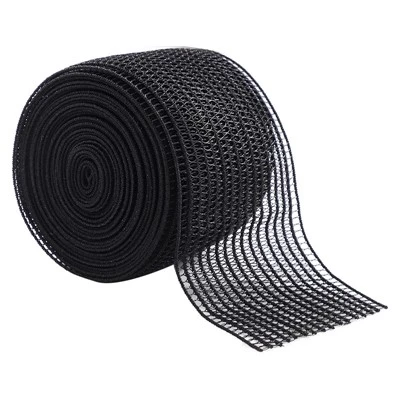
At the end of the day, skin irritation is no fun, and as someone who’s in the elastic game, I hate hearing that our products (or any products) make people feel that way. That’s why we prioritize safety and comfort in every elastic we make. If you’re a brand looking to source elastic waist bands that are gentle, durable, and free of irritants, feel free to reach out and chat—we’d love to work with you to find the perfect fit for your line.
Braided Elastic Band References
- American Academy of Dermatology. (2022). Contact Dermatitis Triggers: Common Allergens and Irritants.
- OEKO-TEX Association. (2023). Standard 100: Eco-Friendly and Skin-Safe Textile Materials.
- Journal of Dermatology and Skin Care. (2021). Mechanical Irritation from Friction and Pressure on Cutaneous Surfaces: Causes and Prevention.
- Latex Allergy Association. (2020). Latex Residue in Textiles: Risks and Mitigation Strategies.
- Textile Research Journal. (2022). Breathability of Elastic Waist Bands and Its Impact on Skin Irritation in Sensitive Skin Populations.
Zhongshan Meiya Weaving Co., Ltd.
We are one of the most professional elastic waist band manufacturers and suppliers in China for nearly 30 years. With abundant experience, we warmly welcome you to wholesale bulk elastic waist band in stock here and get free sample from our factory. We also accept customized orders.
Address: No. 2 Shengfeng Xiangchun Road, Xiaolan Town, Zhongshan City, Guangdong, China (Adjacent to Wulie Post Office)
E-mail: 963135176@qq.com
WebSite: https://www.meiyaweaving.com/
