When I first started selling low cabinets for a living, I made a rookie mistake that still makes me chuckle now. A customer came to me last year, all excited, looking for a piece to put against their living room wall to hold their record player. They picked a solid, sturdy low cabinet – exactly the kind we’re known for – and then stood in our showroom staring at its top, arms crossed. “I don’t know what to do with this,” they said. “It’s just a flat surface. Feels empty, but I don’t want to clutter it.” That moment stuck with me. As someone who’s spent years sourcing, refining, and selling low cabinets, I’ve learned that decorating that top – the part that makes the cabinet go from functional to intentional – isn’t just about pretty things. It’s about balancing what works for your space, your lifestyle, and what the cabinet is meant to hold. Today, I want to share what I’ve learned from working with hundreds of customers, from apartment dwellers squeezing every inch out of a 500-square-foot space to families needing durable, kid-friendly setups. Low Cabinet
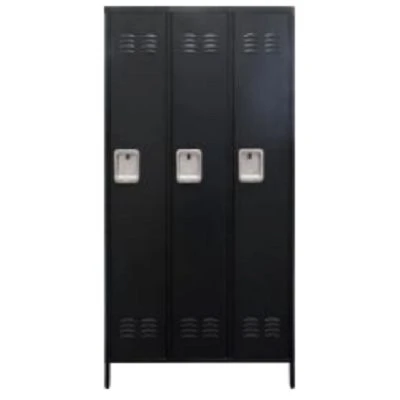
First, let’s talk about the foundation. Before you even pick up a decor piece, you need to know exactly how long and wide your cabinet’s top is, and what its weight limit is. This is where being a low cabinet supplier helps – we make a point to print the weight rating right on the back of each unit, because nothing ruins a good setup faster than a plant pot that’s too heavy and warps the top, or a speaker that slips and gets damaged. I always tell customers: measure the top surface, note the dimensions, and then think about how much you actually need to store there. If your low cabinet is supposed to hold a small TV – not a huge one, just a 32-inch for a bedroom or guest room – that top needs to be flat enough to support it, with enough space for the remote and a few decor pieces. If it’s for an entryway, you might need a spot for keys and a small tray, so leaving room for that is key. I had a customer last month who bought a low cabinet for her entryway, and she tried to stack three heavy ceramic vases on top – I had to gently remind her our cabinet’s weight limit is 50 pounds, and those vases were each 15 pounds. She swapped two for smaller glass ones, and it worked perfectly. That’s the kind of practical tip that doesn’t come from a design blog – it comes from years of seeing what works and what doesn’t.
Now, the style part. A lot of people think you have to pick one big statement piece, but I’ve found that layers work best for low cabinet tops. Too many small things can feel cluttered, but one big thing with a few smaller accents feels curated, not messy. Let’s break it down by space, because that’s what matters most.
For living room low cabinets – the most popular use for our units – the top is often for media, right? But even if you have a speaker or a record player, you can add small decor that doesn’t get in the way. I recommend starting with a “functional base.” If you’re using it for audio, a small wooden tray to hold the turntable’s vinyl records that you’re currently playing, or a speaker and a few AA batteries for remotes. That base pulls all the functional stuff together so it doesn’t look scattered. Then, add one small decorative element: a potted succulent, a framed photo of your dog, or a woven basket that holds extra coasters. The key here is scale. Don’t put a 12-inch tall vase next to a 10-inch record player – that vase will overpower the whole thing. I always tell people to follow the 1/3 to 2/3 rule for small spaces: if your cabinet top is 60 inches long, your main decor piece should be between 20 and 40 inches long, and the rest of the space can be split into two smaller accents on either side. That way, it’s balanced, not lopsided. I’ve also noticed that mixing materials works really well here. If your cabinet is solid oak, a black metal tray with a small terracotta plant feels warm and modern, while a white-painted cabinet might pair better with a jute tray and a ceramic mug. It’s not about sticking to one material – it’s about complementing the cabinet’s finish.
Entryway low cabinets are another big one. These are usually narrower than living room cabinets, so the top needs to be practical first. A lot of customers want a spot to drop their keys, mail, and sunglasses, so a shallow tray is non-negotiable. We actually started selling small, custom-fit trays for our low cabinets after a customer asked for one – she kept her keys in a wooden tray that fit exactly on the top of her entryway cabinet, and it kept things from sliding onto the floor when her kids ran in and out. On top of that tray, you can add one small decor piece, like a mini lantern or a dried flower arrangement – nothing too tall, because you don’t want it blocking the view when you walk in. I once had a customer who put a 18-inch tall floor lamp on her entryway cabinet, and it looked great… until her toddler grabbed the lamp cord and pulled the whole thing down. Now, I always remind people that entryway decor should be under 12 inches tall, so it’s safe for kids and pets. That’s a lesson we learned the hard way with a few broken pieces and upset customers, so it’s something I never skip when giving advice.
Bedroom low cabinets are for so many people who don’t have space for a full dresser. The top here needs to be functional too – for a lamp, a phone charger, a glass of water. The decor should be soft, since bedrooms are for relaxation. I like adding a small candle (the LED kind, if you have kids – no one wants a melted candle ruining their cabinet top) and a stack of your favorite books, with a small plant on top of the books. That adds height without being overwhelming. A lot of people make the mistake of putting a big mirror on a bedroom cabinet top, but mirrors can make the space feel crowded if it’s a small bedroom. Instead, a small framed print or a woven clock is better. Last week, a customer bought one of our narrow low cabinets for her teen’s bedroom, and she asked me what to put on top. I suggested a USB lamp (so no extra cords to plug in under the cabinet), a small jar for hair ties, and a printed poster of their favorite band. She texted me a photo a few days later and said it was exactly what they needed – not too fancy, but still felt personal. That’s the sweet spot, right? It’s not about impressing guests, it’s about making the space work for you.
Now, let’s talk about common mistakes I see customers make, because even after all these years, people still do these. First, going too big on one piece. I had a customer last year who bought a low cabinet for his media room, and he put a 24-inch tall ceramic sculpture on the top. It looked amazing… until he tried to use the speaker next to it and couldn’t reach the volume button. The sculpture was blocking half the space, so he had to move it to a shelf inside the cabinet. I always say: if the main decor piece is taller than 10 inches, make sure it’s on one end of the cabinet, not in the middle, so there’s still space for whatever you need to use. Second, forgetting about weight. A lot of people love big planters, and that’s fine, but make sure the soil and the plant don’t exceed the cabinet’s weight limit. We’ve had a few customers ask us if their large fiddle-leaf fig is safe on top – I always check the dimensions: a small fig (under 3 feet tall) has a pot that’s about 10 inches wide, and that’s usually under our 50-pound limit, as long as the soil isn’t too wet. If it’s a bigger plant, put it on the floor next to the cabinet instead. Third, ignoring the space’s purpose. If you’re using the cabinet for your record player, don’t cover the entire top with decor – leave space to move the record arm, and maybe a slot for your next vinyl. If it’s a kid’s cabinet, use washable decor, so when juice spills, you can wipe it off without ruining the finish. We make our low cabinets with scratch-resistant tops for that exact reason, and I always tell customers to take advantage of that – don’t put a expensive linen runner on there, use something that can handle a little mess.
Another thing I’ve learned: negative space is your friend. So many people want to fill every inch of the cabinet top, but that’s why it feels cluttered. Leaving 1/3 of the top empty makes the whole setup feel calmer. I had a customer who was so worried about leaving space that she kept adding more and more things, until her cabinet top had a tray, two plants, a lamp, and a jar of buttons – it was way too much. I suggested removing the jar and the extra plant, and suddenly it looked like a design from a magazine, not a cluttered corner. It sounds counterintuitive, but empty space makes the things you do have stand out. It also gives you room to rearrange whenever you want – if you get a new plant, you can put it on the top without moving everything else.
Now, for people who like a more seasonal update. That’s one of my favorite parts about decorating low cabinet tops – you can change it whenever you want, without rearranging the whole room. For fall, swap your succulent for a small pumpkin and a few dried corn stalks. For winter, add a string of fairy lights wrapped around a small lantern. For spring, put fresh tulips (in a small glass vase, so you don’t get water on the wood) and a basket of mini eggs. The great thing about our low cabinets is that their tops are neutral – most are light oak or white, so they work with every color and season. A lot of customers tell me they change their cabinet top decor four times a year, and it’s a cheap way to refresh their space without buying new furniture.
Wait, let’s not forget about pets. I have a cat, and I know how tempting it is for them to jump on low cabinet tops. If you have a cat, avoid breakable decor on the top, and make sure any plants you put there are non-toxic. We had a customer last year who put a pothos plant on her cabinet, and her cat ate a leaf – she had to rush to the vet. Now, I always recommend spider plants, Boston ferns, or succulents for pet-safe decor, because those are non-toxic. If you have a dog, same rule – no small things they can knock over, like small vases or jars. It’s just about balancing style with safety, which is something we prioritize in our low cabinets – we make sure their tops are sturdy enough to handle a curious pet, as long as you don’t put anything too precarious there.
Let me wrap this up, because I know I’ve rambled a bit, but that’s what happens when you talk about low cabinets – I’m passionate about them. The key points are: know your cabinet’s dimensions and weight limit first, balance layers of functional and decorative items, leave some negative space, pick decor that fits the space’s purpose, and adjust for kids and pets. A low cabinet’s top isn’t just a surface to put things on – it’s a little corner of your space that can show off your personality, without being hard to maintain.
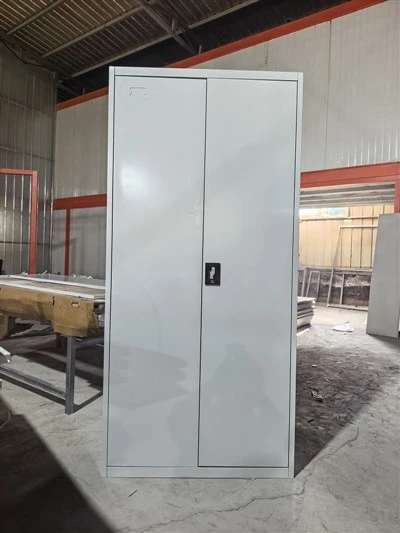
If you’re looking for a low cabinet to base your decor around, we’ve got a range of sizes and finishes, from narrow entryway units to wide living room pieces, all made with durable tops that work for any decor style. We’d love to help you find the right cabinet, and talk through any decor questions you have – no pressure, just honest advice from someone who’s been in the game for years. Reach out to our team to learn more about our offerings, and we can work with you to find the perfect low cabinet that’ll make decorating that top feel easy, not overwhelming.
Vault Door References:
- Interior Design Magazine. (2022). "How to Style Low Furniture for Small Spaces"
- National Kitchen and Bath Association. (2021). "Weight Capacity Guidelines for Residential Furniture Tops"
- ASPCA. (2023). "Non-Toxic Plants Safe for Cats and Dogs"
- Apartment Therapy. (2022). "10 Mistakes to Avoid When Decorating Flat Surfaces in Your Home"
- Woodwork Industry Association. (2020). "Scratch-Resistant Finishes for Household Furniture Tops"
Hebei Xinrui Intelligent Technology Development Group Co., Ltd.
With abundant experience, we are one of the most professional low cabinet manufacturers and suppliers in China. We warmly welcome you to buy high quality low cabinet at competitive price from our factory. If you have any enquiry about customized service, please feel free to email us.
Address: No.1, Building B, Intelligent Security Industry Park, Economic Development Zone, Wuyi County, Hengshui City, Hebei Province
E-mail: shinraysafe@163.com
WebSite: https://www.shinraysafe.com/
