If you’re running a small-batch artisanal bakery, a mid-sized commercial food processing plant, or a startup that craft-grinds specialty nut butters, your food refining machine’s motor is its unsung workhorse. Without a properly maintained motor, that machine won’t turn out consistent fine-textured flour, smooth nut butters, or emulsified sauces—and downtime can cost you orders, damage your reputation, and leave you stuck scrambling for last-minute replacements. As a food refining machine supplier, I’ve spent thousands of hours walking customers through overhauls, troubleshooting misfires, and avoiding the mistakes that cut motor lifespan in half. Most of these issues aren’t from broken parts—they’re from small, consistent habits that get overlooked in the rush of daily production. Food Refining Machine
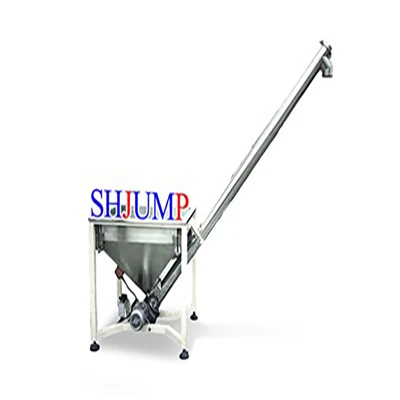
First, let’s get one thing straight: food refining machines aren’t generic tools. A motor that works for a grain mill might not hold up to grinding high-sugar confections, and a unit designed for raw cocoa nibs can struggle with sticky, starchy dough. That means your maintenance routine can’t be one-size-fits-all. I’ve seen a customer run a cocoa refining motor on a 24/7 schedule meant for wheat mills, and three weeks later, the motor seized up—because cocoa’s high fat content generates different heat and friction than dry grains. So start with matching your maintenance to your machine’s intended use, not just whatever works for a neighbor’s setup.
The most frequent mistake I see is skipping basic daily checks because they take “too long.” Let’s break down the non-negotiable daily steps, the ones that take 5 minutes before you flip the switch. First, clear all debris from the motor’s ventilation grilles. Food refining machines kick up fine dust—flour, cocoa powder, nut fragments—and that dust sticks to the grilles, blocking air flow. Blocked grilles mean the motor can’t shed heat, and over time, that excess heat burns out the winding insulation inside the motor. I once had a customer tell me his motor “just died” after a year; when we checked, his grille was caked with a half-inch layer of almond flour, and the motor’s internal temperature read 180 degrees Fahrenheit, 40 degrees above its safe operating range. A quick wipe with a soft brush or compressed air (on low pressure, to avoid damaging the grilles) every morning would have prevented that.
Next, test the power cord and plugs for wear. Food refining machines are often moved between workstations, or jostled by the production floor’s foot traffic, so cords fray faster than those on stationary tools. I always advise customers to run a visual check: look for cracks in the cord’s outer jacket, exposed wires, or a loose plug connection. If you smell a faint burning plastic when the motor runs, that’s a sign of internal damage—and don’t ignore it. I’ve heard too many horror stories of small fires from frayed cords left unaddressed, and none end well. Tightening the plug connections with a small screwdriver (unplugged, obviously) is another quick daily step; loose connections cause arcing, which eats away at the motor’s terminals over time.
Then there’s the often-overlooked area of belt tension. Most food refining machines use a belt to transfer power from the motor to the refining head, and a too-loose belt slips, wasting energy and creating friction that heats the motor. A too-tight belt pulls on the motor’s shaft bearings, shortening their lifespan. The rule of thumb here is: when the machine is off and cold, the belt should deflect about half an inch when you press down on it firmly. I train every new customer on this during their machine setup, but I still get calls a few months later asking why their motor is running hot—nine times out of ten, the belt was too loose or too tight. Adjusting the tension only takes a minute: most machines have a bolt to slide the motor back or forward, so loosen that, adjust, and tighten it back up. That single step can add months to your motor’s life.
Moving beyond daily checks, weekly maintenance focuses on lubrication, and this is where I see the most misinformation. A lot of customers dump generic grease or oil into their motor’s bearings, but food refining machines have specific requirements. Food-grade lubricants aren’t optional here—if a grease leak gets into your product, you could face a product recall or safety violation, not to mention ruin a batch of expensive ingredients. I only recommend high-temperature, NSF H1-rated food-grade lubricants for motor bearings. Regular lubrication with the wrong stuff can actually damage bearings: generic grease breaks down under the high heat generated by continuous refining, leaving bearings dry and grinding together. How often should you lubricate? For most small to mid-sized food refining machines, every 2 weeks of heavy use, or monthly for light use (like a home bakery that runs the machine once a week). I tell customers to mark a calendar with a reminder; it’s easy to forget when you’re busy with orders.
Another weekly step is checking the motor’s alignment. If the motor shaft is misaligned with the refining head’s shaft, that creates constant, uneven stress on the motor. You can check alignment with a simple straightedge tool: place it against both shafts, and if there’s a gap between the straightedge and either shaft, they’re out of alignment. Misalignment doesn’t just damage the motor—it also makes the machine work harder, using 10-15% more energy than it should. Aligning the shafts usually only takes a few minutes, adjusting the motor’s mounting bolts until the shafts line up perfectly. I’ve had customers run with misaligned shafts for months, wondering why their electric bill was so high—fixing alignment cut their energy costs by a quarter.
Now, monthly maintenance is where you prevent the big, expensive failures. One critical monthly task is cleaning the motor’s exterior and internal components. This isn’t just about food safety—it’s about removing dust and grime that can seep into the motor’s vents and wiring. For the exterior, use a mild, food-safe detergent and a soft cloth; never spray water directly onto the motor, because that can seep into the electrical components and cause shorts. For internal cleaning (only do this if you’re comfortable with basic electrical work, or call a technician if you’re not), remove the motor’s access panel and use compressed air on low pressure to blow out any dust inside. Be gentle here—compressed air at high pressure can bend the motor’s internal fan blades, which will throw off its cooling system.
Also, monthly is a good time to inspect the motor’s cooling fan. The fan is what pulls air through the motor to keep it cool, so if it’s cracked, bent, or covered in dust, it won’t work right. A bent fan blade throws the fan off balance, creating vibration that wears out the motor’s bearings faster. I tell customers to visually check the fan every month; if it’s damaged, replacing it is cheap, and it keeps the motor cool. Another monthly step is testing the motor’s thermal overload protector. This is a safety switch that cuts power if the motor gets too hot, preventing burnout. You can test it by running the machine on a load for an hour, then shutting it off and letting it cool down. If the protector doesn’t trip when the motor is overheating, it’s faulty and needs to be replaced. Ignoring a bad thermal protector is a quick way to destroy a motor.
Then there are the season-long or production-cycle tasks, which are easy to put off but make a huge difference. If you run the machine 24/7 during harvest season (like cocoa nibs or grain), you need to do a mid-cycle check after every 500 hours of use. That means checking the motor’s bearings for play—wiggling the shaft gently; if there’s more than a tiny bit of movement, the bearings are worn and need replacement. For long off-seasons (like a bakery closing for summer), don’t just turn the machine off and leave it. Disconnect the power, clean the motor thoroughly, lubricate the bearings, and cover it with a breathable cover (not plastic, which traps moisture). Moisture is the enemy of motors—it causes rust on the internal metal parts, and can lead to corrosion that ruins the windings. I once had a customer whose motor sat unused for three months in a damp warehouse; when he tried to start it, the windings were corroded, and he had to replace the entire motor. A quick clean and lubrication before storage would have avoided that cost.
Wait, let’s address a common myth here: “Newer motors don’t need maintenance.” I hear this all the time, especially from customers who just bought a machine from us and think they don’t have to worry. The truth is, even premium industrial motors have moving parts that wear, and food refining environments are harsh—dust, heat, and occasional sticky residues speed up wear. We’ve had customers with brand-new machines who skipped basic checks and had a motor fail in 6 months, while another customer who followed our maintenance routine had their motor run for 7 years without a single issue. That’s the difference between habit and neglect.
I also need to talk about the mistakes that customers make with load management. Food refining machines have a maximum capacity—putting too much product through the machine strains the motor, forcing it to work harder, run hotter, and wear out faster. I’ve seen a customer try to process 50 pounds of nut butter at once in a machine rated for 30 pounds, and the motor seized up mid-run. Always stick to the machine’s recommended load limit, and avoid running it when there’s foreign material (like metal fragments from raw grain, or hard pits from fruit) in the product. Those foreign materials create sudden jolts that damage the motor’s internal windings and shafts. If you do get a foreign object stuck, turn off the machine immediately, unplug it, and remove it—don’t force the machine to keep running, that’s a quick path to motor failure.
Now, what do you do if you notice a problem before it becomes a breakdown? If the motor is making unusual noise (grinding, squealing, or humming), that’s a sign—don’t wait for it to stop working. A high-pitched squeal usually means a bearing is worn; a grinding noise could be misaligned shafts or a bent fan. If you smell burning insulation, shut it down right away—this is a sign of overheating, and running it more will burn out the motor. Most small issues can be fixed quickly: adjusting belt tension, lubricating bearings, or tightening a loose connection. If you’re not comfortable doing these steps, reach out to a professional—don’t try to force a fix, that can make the problem worse.
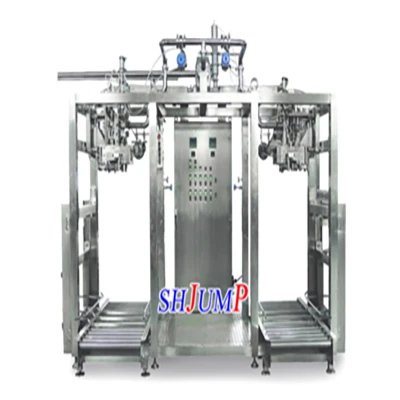
At the end of the day, maintaining your food refining machine’s motor isn’t just about extending its lifespan—it’s about consistent product quality, avoiding costly downtime, and keeping your production running smoothly. As a supplier, I don’t just sell machines; I support you to keep them working. If you have questions about your machine’s specific maintenance schedule, need replacement parts, or want to troubleshoot a small issue, don’t hesitate to reach out to our team to discuss your needs. We’re here to help you keep your operation running reliably, so you can focus on what matters most—making great food.
Fruit Washing Machine References
Food and Drug Administration. (2021). Food Grade Lubricants and Compounds for Food Processing Equipment.
National Sanitation Foundation. (2022). Standard H1 for Food Processing Lubricants.
Institute of Food Technologists. (2020). Best Practices for Industrial Food Processing Equipment Maintenance.
Motor Industry Manufacturers Association. (2019). Guidelines for Motor Maintenance in High-Dust Environments.
Small Business Administration. (2021). Managing Downtime in Food Processing Operations.
Shanghai Jump Machinery & Technology Co., Ltd.
Shanghai Jump Machinery & Technology Co., Ltd. is one of the most professional food refining machine manufacturers and suppliers in China, featured by good service and competitive price. Please rest assured to buy high quality food refining machine for sale here from our factory.
Address: No. 58, Pengqing Road, Kunshan Town, Suzhou District, Jiangsu Province, China
E-mail: info@sinojump.com
WebSite: https://www.shjumpmachine.com/
